Living in Boston, MA: The Essential Young Professional Guide to Walkability, Condos & the MBTA
A young pro guide to Boston: 51% higher cost of living, $76,298 median income, $581,283 median home value, 93% A/B safety, MBTA-first commuting.
Written ByAndrew Goldberg
PublishedJanuary 26, 2026
UpdatedMarch 19, 2026
I'm Andrew Goldberg, a Boston real estate advisor specializing in first-time buyers across Greater Boston. I guide you A to Z—from first search to closing day. Serving Boston, Brookline, Cambridge, Medford, Somerville and Newton, MA.
Boston, MA
Region
18
Villages
In July 2026, the median sale price for homes in Boston, MA was $879,500, up 7.3% from a year earlier.
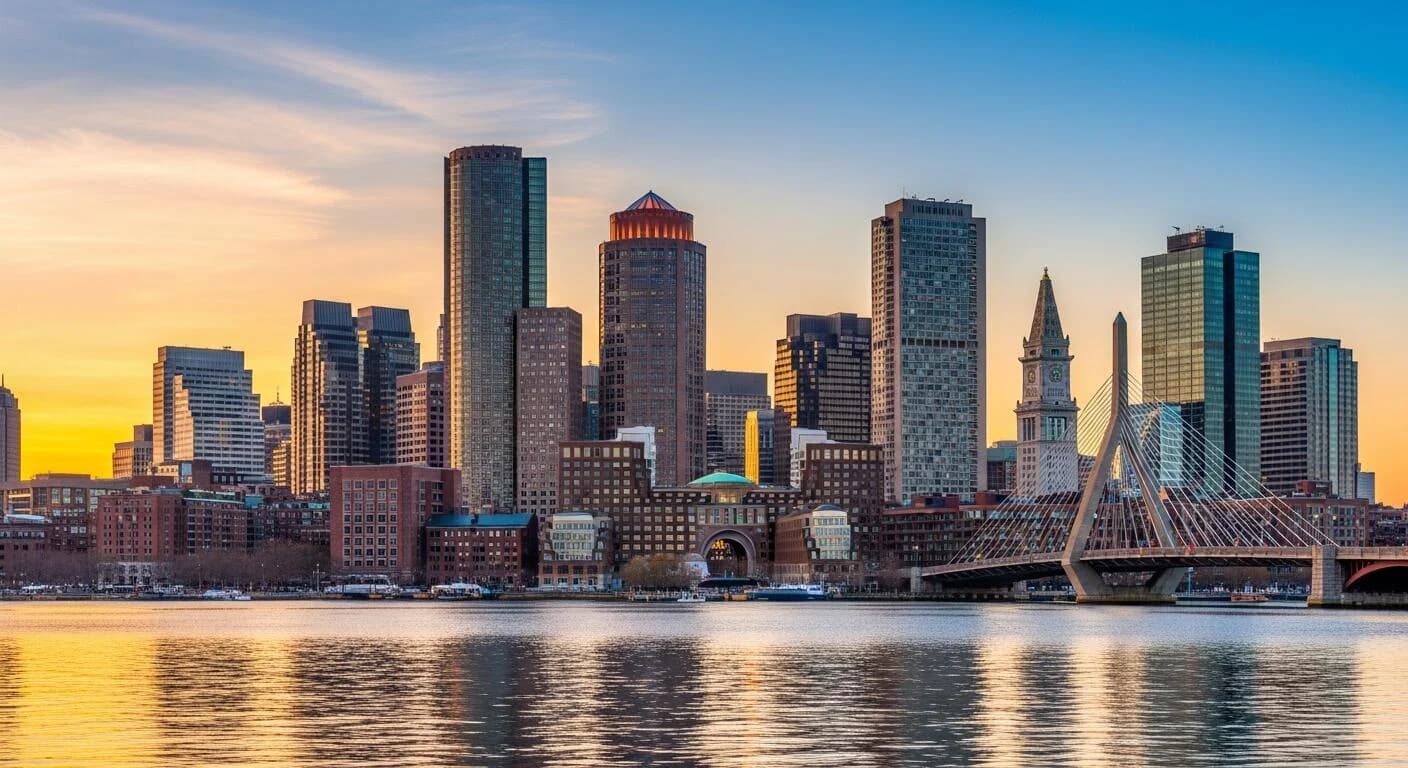
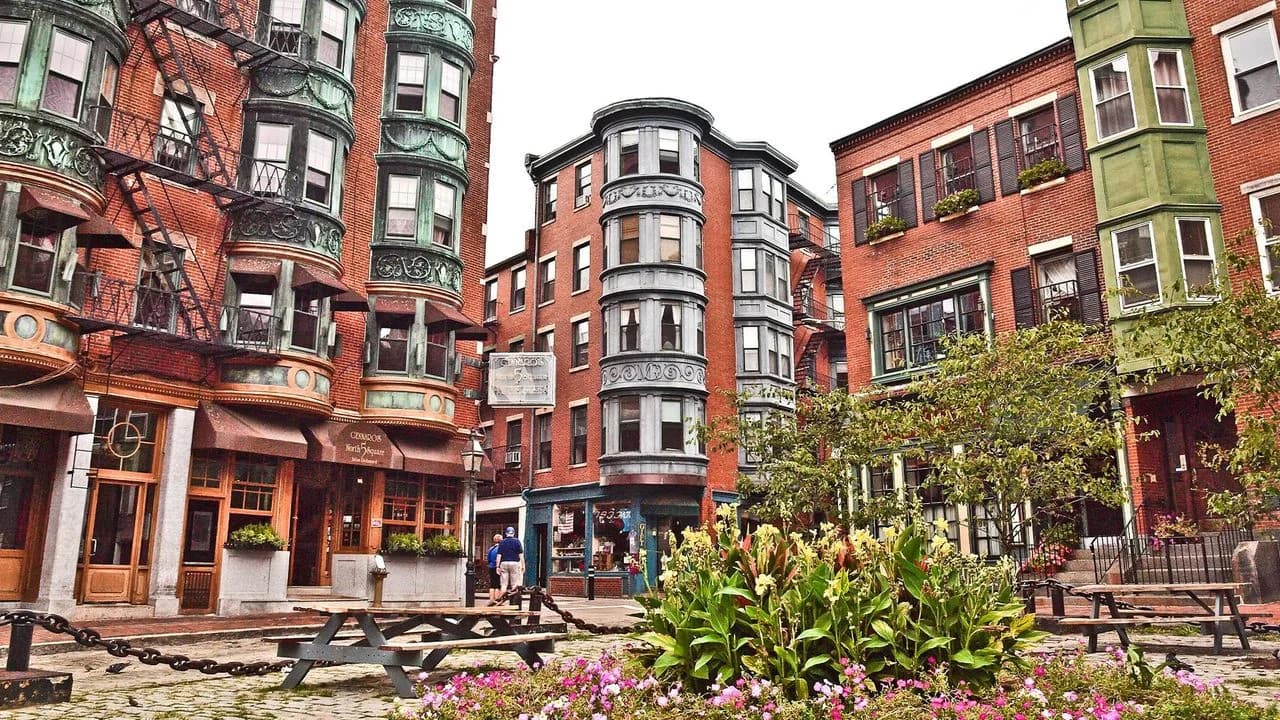
Boston demands energy, but it rewards ambition in equal measure. For young professionals, the city offers something increasingly rare: the walkability and cultural density of a major metropolis without the overwhelming scale of New York. Colonial history provides the backdrop for cutting-edge biotech, finance, and higher education—a city that honors its past while racing toward the future.
What is the vibe like for young professionals living in Boston, MA?
The vibe here is intellectually charged and fast-paced. Boston's population values innovation and connectivity, creating a social atmosphere that's both competitive and collaborative. The city may be historic, but the lifestyle is thoroughly modern. You'll see founders pitching startups in coffee shops alongside law students hunched over casebooks.
For professionals considering a move, the cost of living is often the first hurdle. Boston is expensive—there's no sugarcoating that—but the economic opportunities often justify the investment.
Boston Essentials (2026): Cost, Income, Home Value, and Rent
Quick headline stats for young professionals weighing Boston’s high cost of living against earnings and housing costs. Mixed units are intentionally grouped in a single hero card.
Despite a 51% higher cost of living compared to the national average, you gain access to a thriving economy and a median income of $76,298. The city feels busy but manageable. Boston's density works in your favor: your gym, office, and favorite dinner spot are likely within a 15-minute walk or a short train ride. When I help clients relocate here, they're often surprised by how quickly they can navigate between neighborhoods. That accessibility makes work-life balance feel more attainable than in other major tech hubs.
What are the condo and townhome options in Boston, MA?
Boston's real estate market for professionals centers on high-density living, from historic brownstones to ultra-modern high-rises. We're seeing a shift as inventory finally begins to loosen up, giving buyers more leverage than they've had in recent years.
Boston Condo Inventory: Recent Change + 2026 Outlook
Inventory is a key driver of competition and pricing. This chart combines the latest reported YoY active listings jump with the projected inventory increase range for 2026 (all in %).
Recent (as of Dec 2025)
2026 Outlook (projected)
Inventory is a key driver of competition and pricing. This chart combines the latest reported YoY active listings jump with the projected inventory increase range for 2026 (all in %).
If you're looking to buy, you generally have three distinct architectural choices:
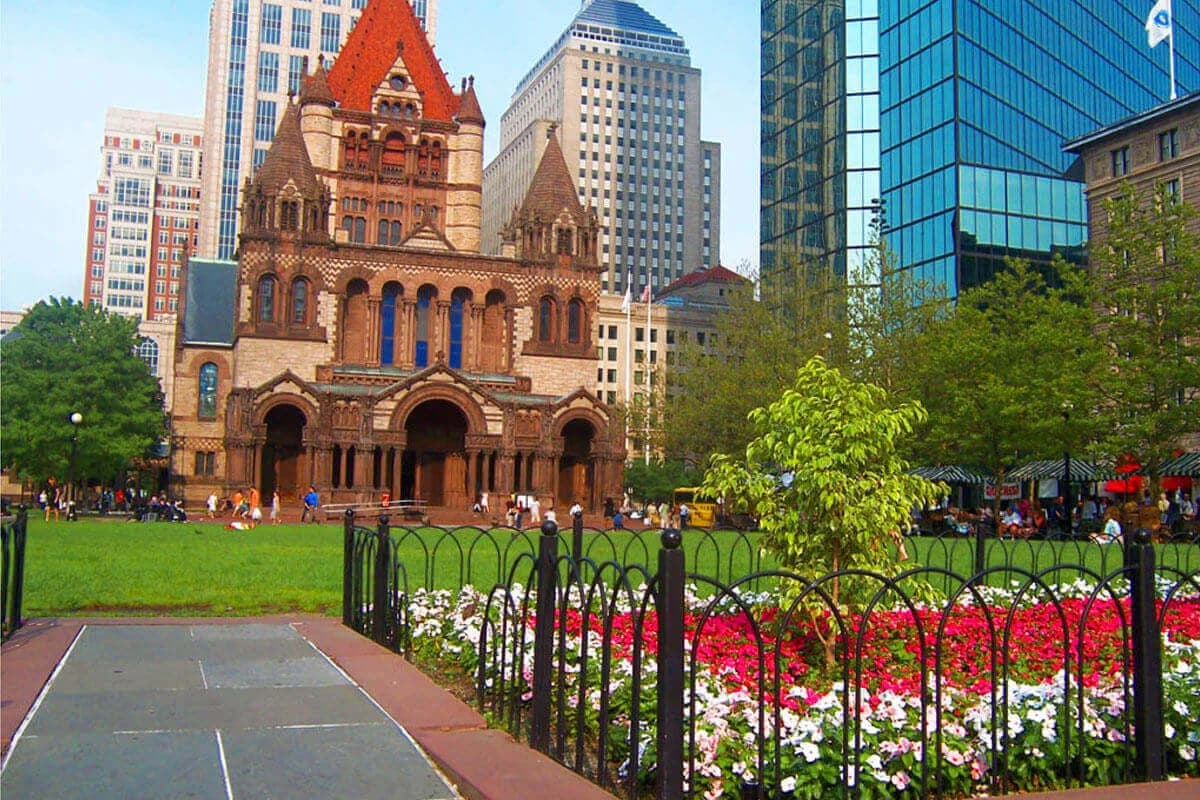
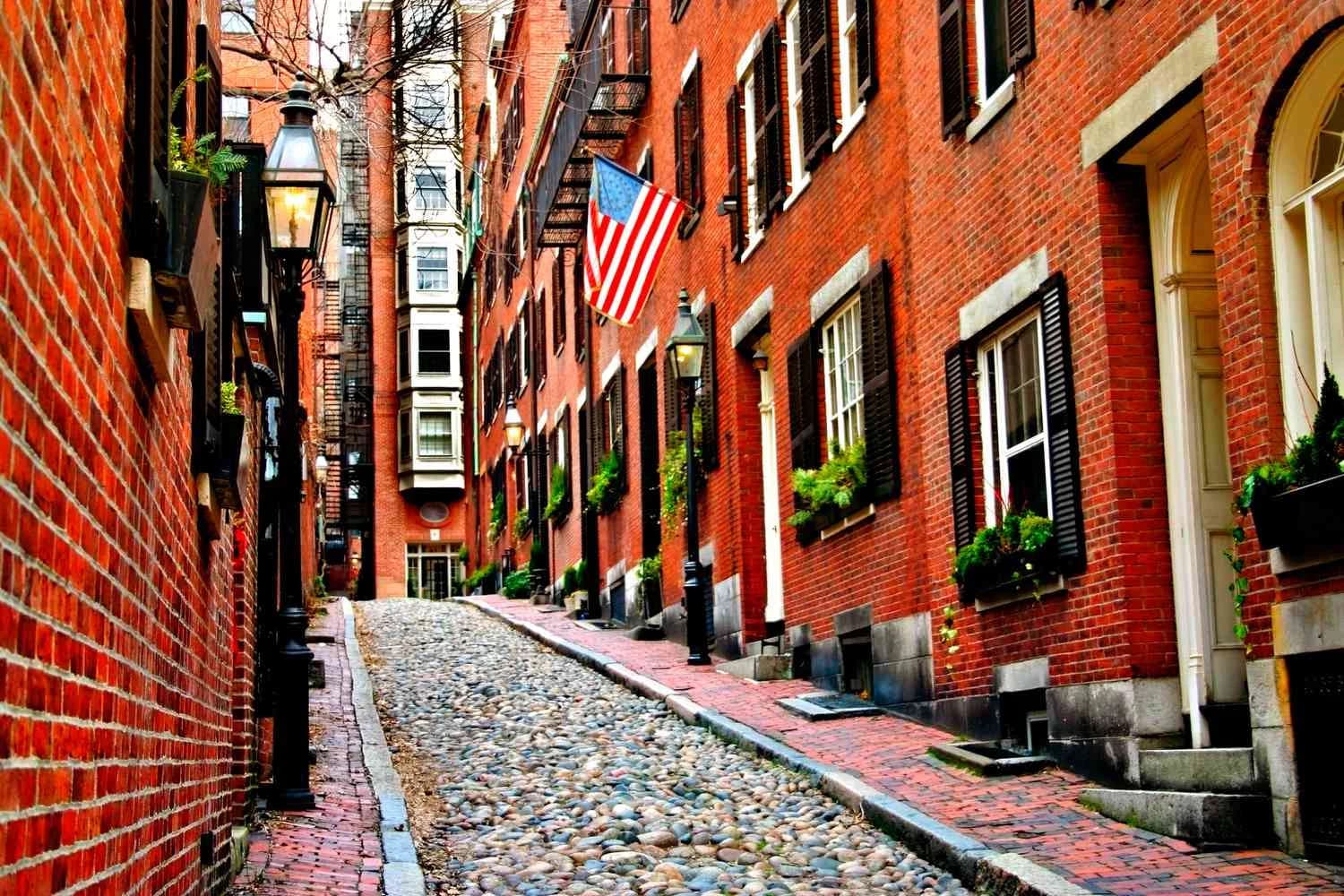
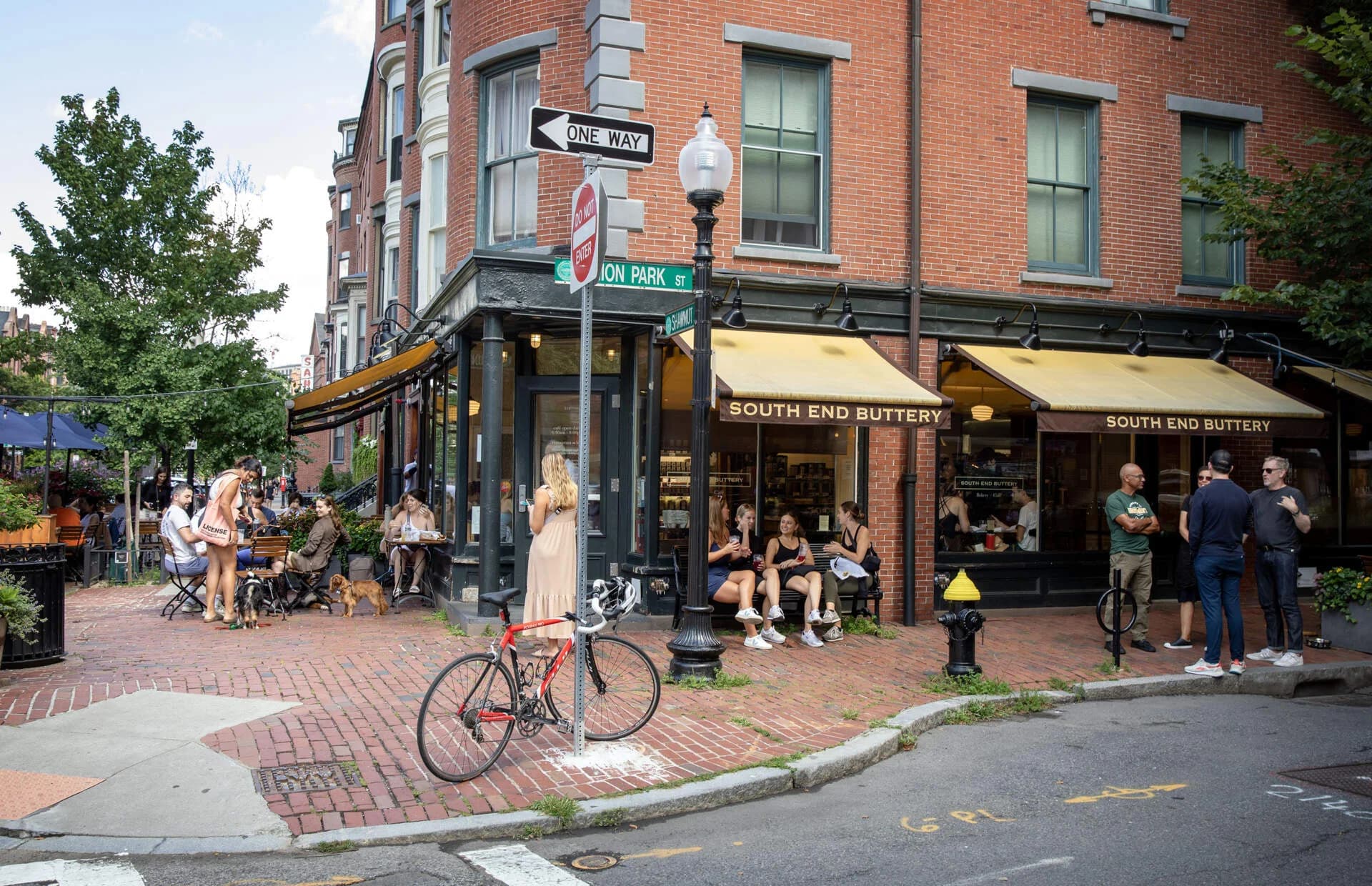
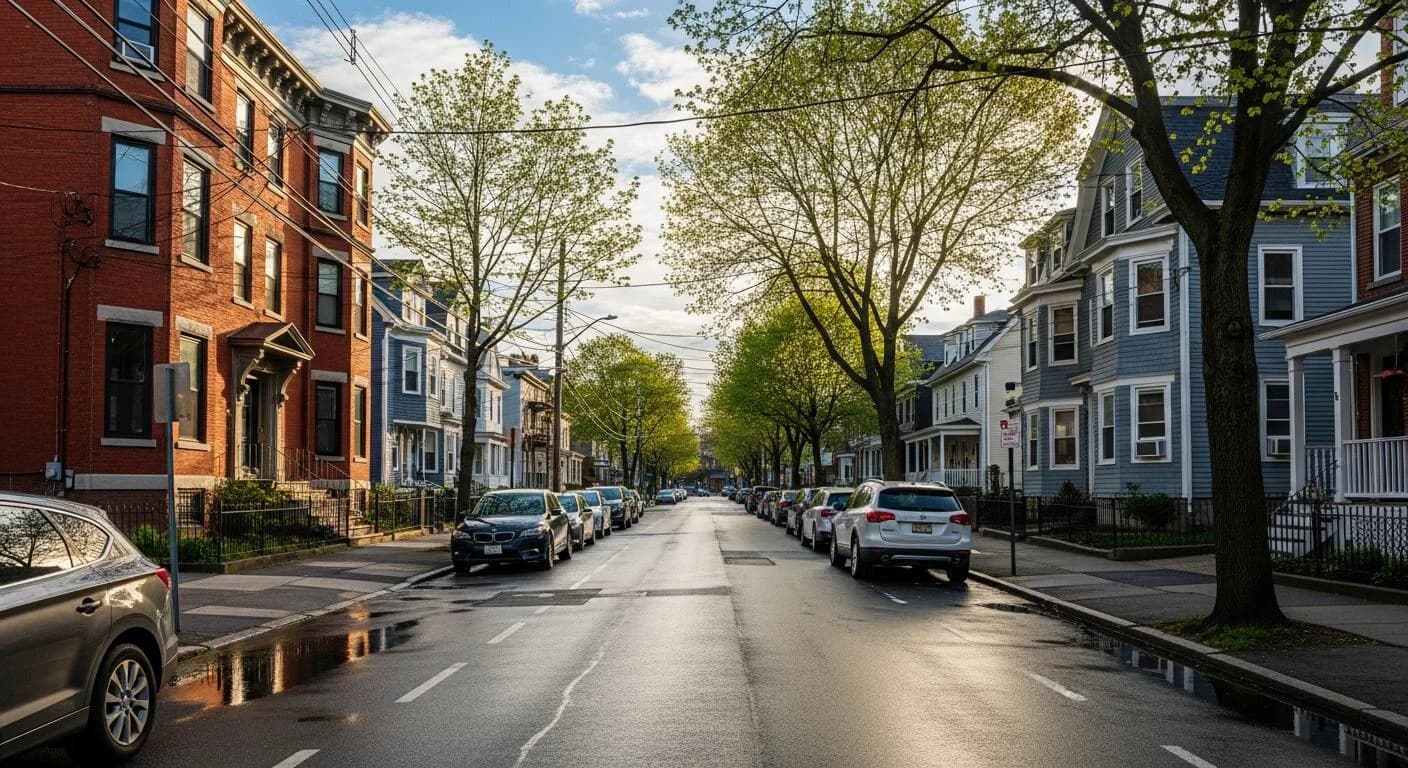
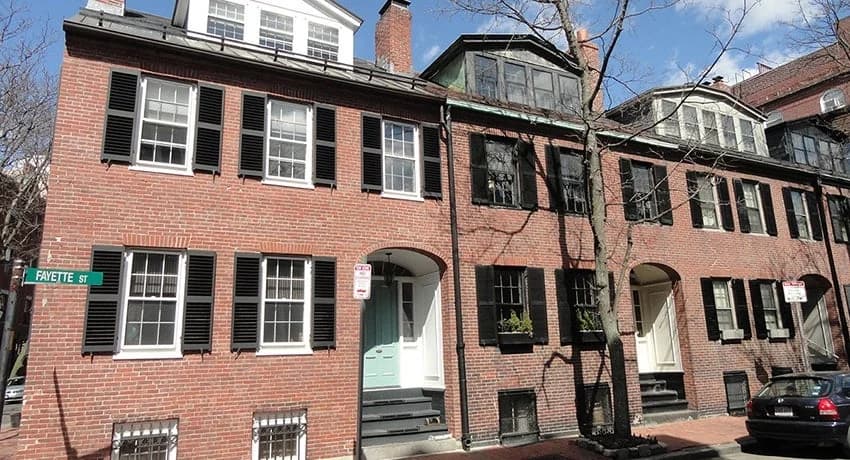
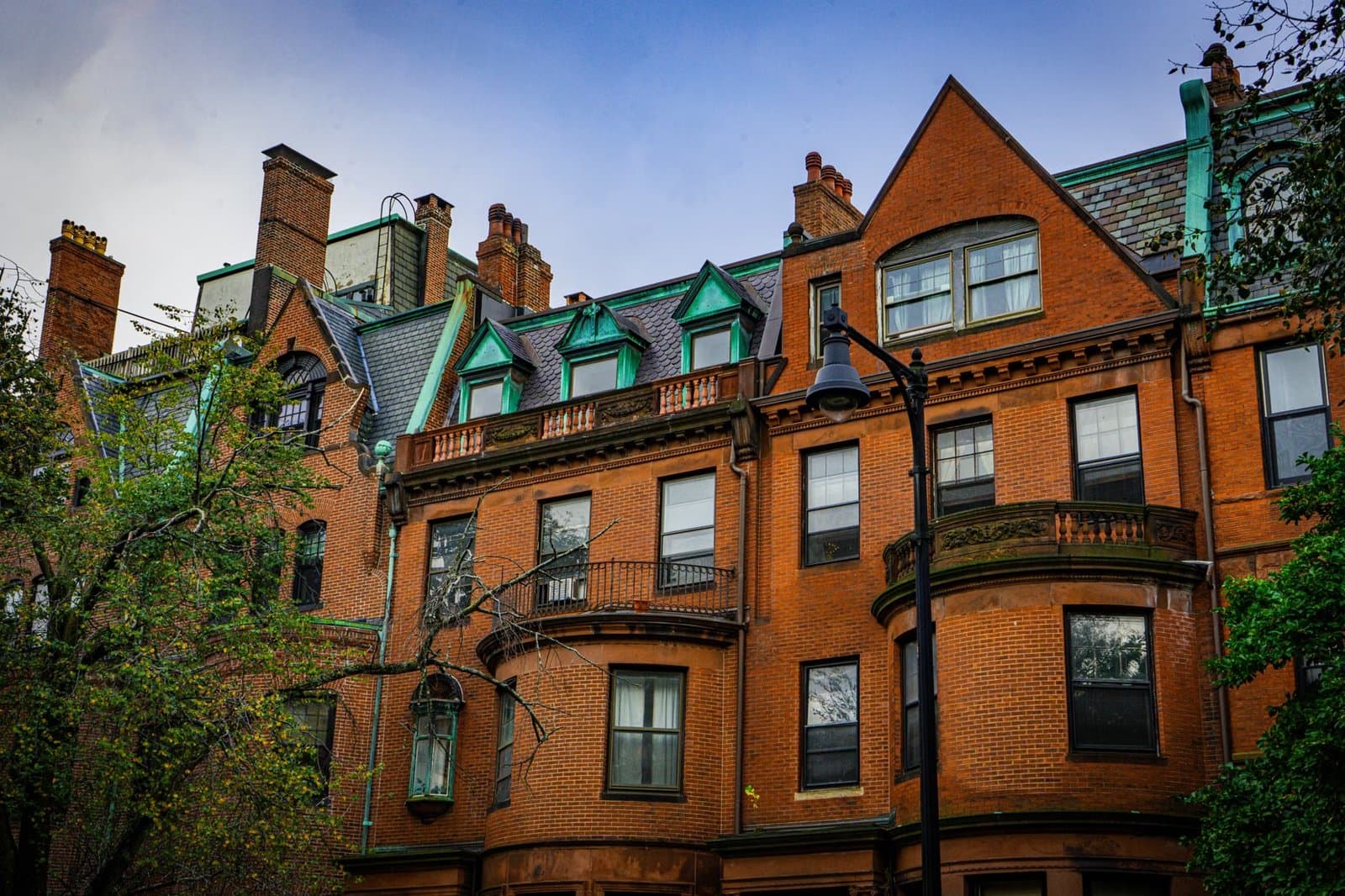
•The Brownstone: Found in neighborhoods like Back Bay and the South End. These offer historic charm, high ceilings, and often a higher price per square foot.
•The Luxury High-Rise: Concentrated in the Seaport and Downtown. These buildings come with full amenities—concierge, gyms, the works—and are currently seeing an inventory increase. The luxury segment (units over $3M) now has supply levels nearly double the typical amount for the urban core.
•The Converted Loft: Common in the Leather District and Fort Point, featuring exposed brick and beam construction.
For those entering the market, think long-term. With a median home value around $581,283, I typically advise clients that buying makes financial sense if you plan to hold the property for five to seven years. If you're debating between renting and buying, keep in mind that while inventory is increasing—projected to rise 5% to 10% in 2026—competition for well-priced starter condos remains fierce.
Where do professionals hang out and dine in Boston, MA?
Boston's social scene is neighborhood-centric, with distinct hubs for dining, nightlife, and recreation. Young professionals gravitate toward areas that blend high-end amenities with accessibility.
•The Seaport District: The premier destination for rooftop bars and waterfront dining. It's modern, glossy, and commands premium pricing.
•Downtown & Financial District: Post-work socialization thrives here. Places like High Street Place Food Hall have become go-to spots for grabbing a drink and a quick bite with colleagues right after clocking out.
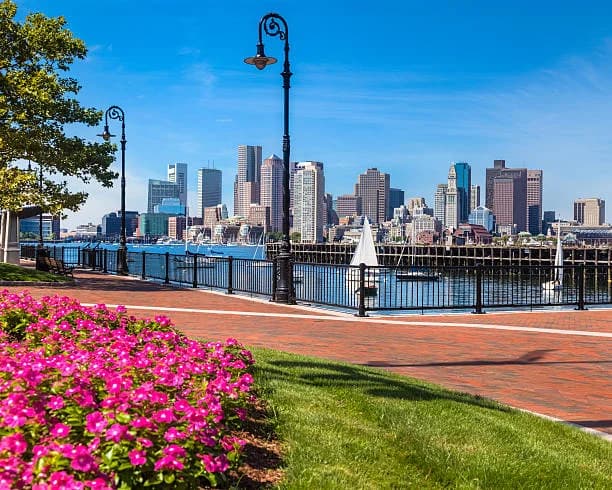
•The Emerald Necklace: For those seeking a break from the pavement, the Public Garden and the Esplanade offer miles of green space for running and cycling.
Safety is a common question for new residents. Boston performs well on this front, especially in professional hubs.
Boston Crime Rates vs Benchmarks (per 1,000 residents)
Side-by-side benchmark comparison for core safety metrics (violent and property crime) using the same unit (rate per 1,000 residents).
Violent Crime (per 1,000)
Property Crime (per 1,000)
Side-by-side benchmark comparison for core safety metrics (violent and property crime) using the same unit (rate per 1,000 residents).
The data shows that 93% of Boston's neighborhoods are rated A or B for safety. Areas like the Seaport and Waterfront rank particularly high (Rank #4 and #5 respectively), making them comfortable for walking home after a night out. While property crime rates are slightly higher than the national median (21.39 per 1,000 residents), violent crime remains comparatively low for a city of this size.
How easy is the commute in Boston, MA without a car?
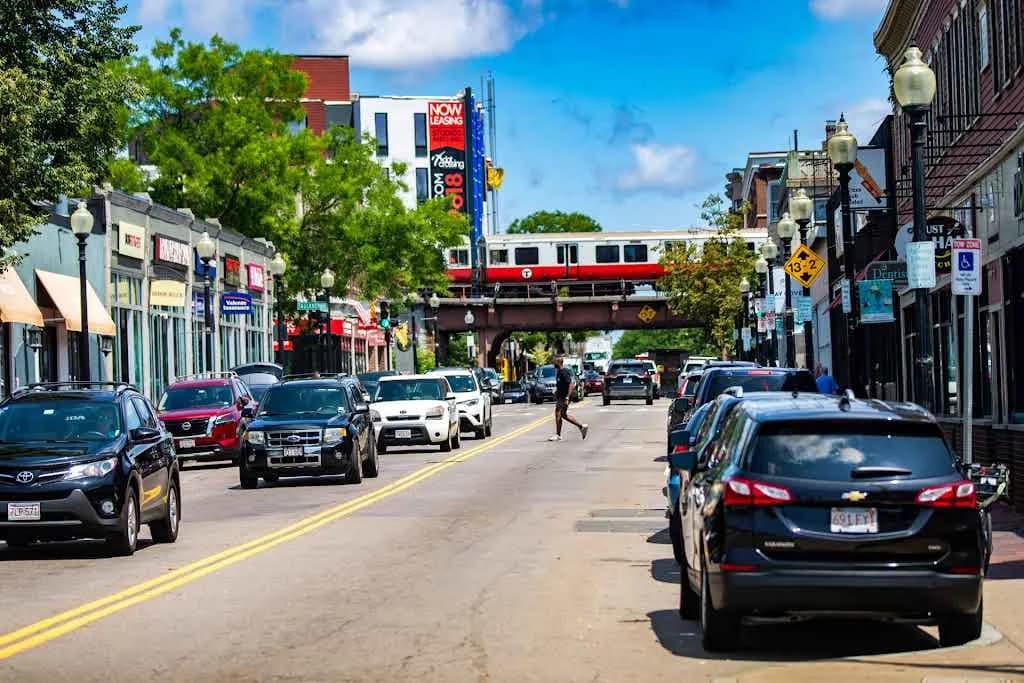
Boston is one of the few US cities where owning a car is truly optional—and often a liability due to traffic and parking costs. The Massachusetts Bay Transportation Authority (MBTA), known locally as the "T," serves as the city's lifeline.
•The Subway: The Red and Orange lines are the arteries for professionals working Downtown, connecting rapidly to Cambridge and the southern neighborhoods.
•Commuter Rail: South Station and North Station serve as gateways to the greater New England area.
•The Airport: Logan International Airport is remarkably accessible, located just minutes from downtown via the Blue Line or Silver Line.
The city is also investing heavily in making streets safer for pedestrians and cyclists—a massive selling point for residents who prefer to bike to work.
$3.5 millionTotal project budget
East Boston Quick-Build Safety Improvements (Capital Plan)
A major, near-term livability upgrade focused on safer streets and better bus-corridor access—relevant for a walkable, urban lifestyle.
Anticipated spending in fiscal year 2026$1.25 million
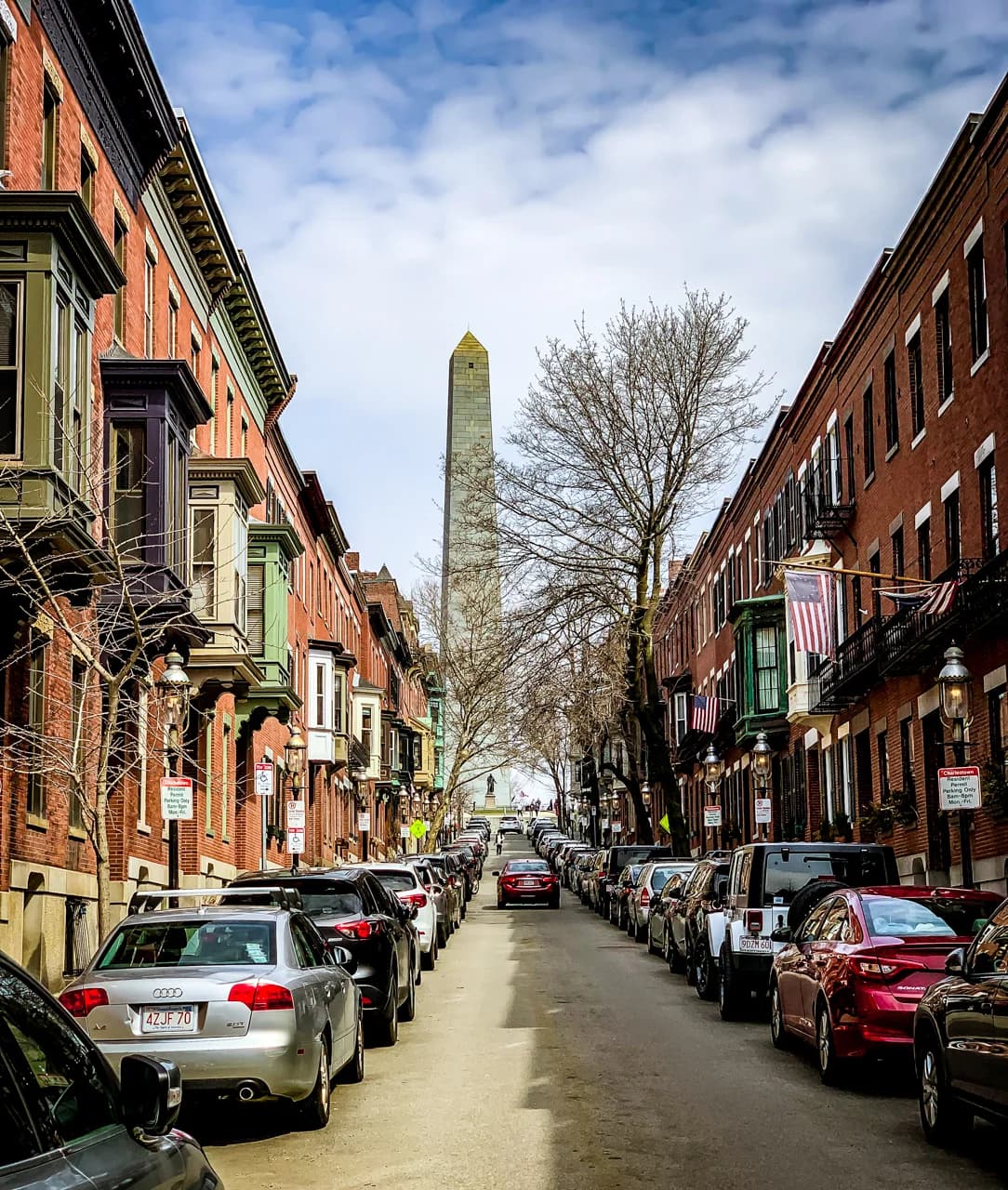
Beyond specific neighborhood projects, the state has awarded $6.6 million in Complete Streets funding to improve infrastructure. When I tour properties with clients, we always evaluate the "walking commute" first. In neighborhoods like the North End or Charlestown, well-lit streets make walking comfortable until about midnight. For many professionals here, the commute is simply a 15-minute walk—saving both time and the expense of a vehicle.
Is Boston, MA a good place for young professionals who want a walkable lifestyle?
Boston, MA is dense and highly walkable, and many residents can get between the gym, office, and dining spots within about a 15-minute walk or a short train ride.
The overall pace is busy but manageable, which makes it easier to build a work-life routine without relying on a car.
How expensive is it to live in Boston, MA?
Boston, MA has a cost of living about 51% higher than the national average.
That higher cost is often weighed against strong economic opportunity and a median income of $76,298.
What condo and townhome styles are most common in Boston, MA?
Boston, MA offers three common options for higher-density homeownership: historic brownstones, luxury high-rise condos, and converted lofts.
Brownstones are common in Back Bay and the South End, luxury high-rises are concentrated in the Seaport and Downtown, and converted lofts are often found in the Leather District and Fort Point.
Is it a good time to buy a condo in Boston, MA, or is inventory too tight?
Inventory is beginning to loosen, which can give buyers more leverage than in recent years.
At the same time, competition for well-priced starter condos remains stiff, even with inventory projected to rise 5% to 10% in 2026.
What is the typical price point in Boston, MA, and how long should you plan to hold a property?
Boston, MA has a median home value around $581,283.
Buying tends to make the most financial sense when you plan to hold the property for five to seven years.
Do you need a car in Boston, MA, and how is public transportation for commuting?
In Boston, MA, owning a car is often optional and can be a liability because of traffic and parking costs.
The MBTA (“the T”) is the core transit system, with the Red and Orange lines serving as key routes for commuting to Downtown, and South Station/North Station connecting to the region by commuter rail.
How accessible is Logan Airport from Boston, MA without driving?
Logan International Airport is located minutes from downtown Boston, MA and is accessible via the Blue Line or the Silver Line.
That proximity makes air travel relatively convenient for residents who rely on public transit.
How safe is Boston, MA for families and everyday life in major hubs?
Boston is generally very safe, and 93% of neighborhoods are rated A or B for safety.
Professional hubs like the Seaport and Waterfront rank particularly high for safety (Rank #4 and #5), while property crime is slightly higher than the national median at 21.39 per 1,000 residents and violent crime remains comparatively low for a city of this size.