
Few Boston neighborhoods pack as much energy into as few blocks as Allston. It's walkable, well connected by transit, and full of good food and live music. For young professionals who want real city living and an easy commute to downtown Boston or Cambridge, it's a natural fit, and the entry price is often lower than in neighboring Brookline or Cambridge. This guide covers what daily life feels like, what's on the housing market, where people gather, and how to get around.
What Is It Like to Live in Allston as a Young Professional?
Allston is busy, social, and young. It's ideal if you want restaurants, live music, and nightlife a few blocks from your door and don't need suburban quiet. Graduate students, early-career professionals, artists, and long-time residents all share the neighborhood, and they're surrounded by one of the most diverse dining corridors in Boston.
Is Allston a quiet or busy neighborhood?
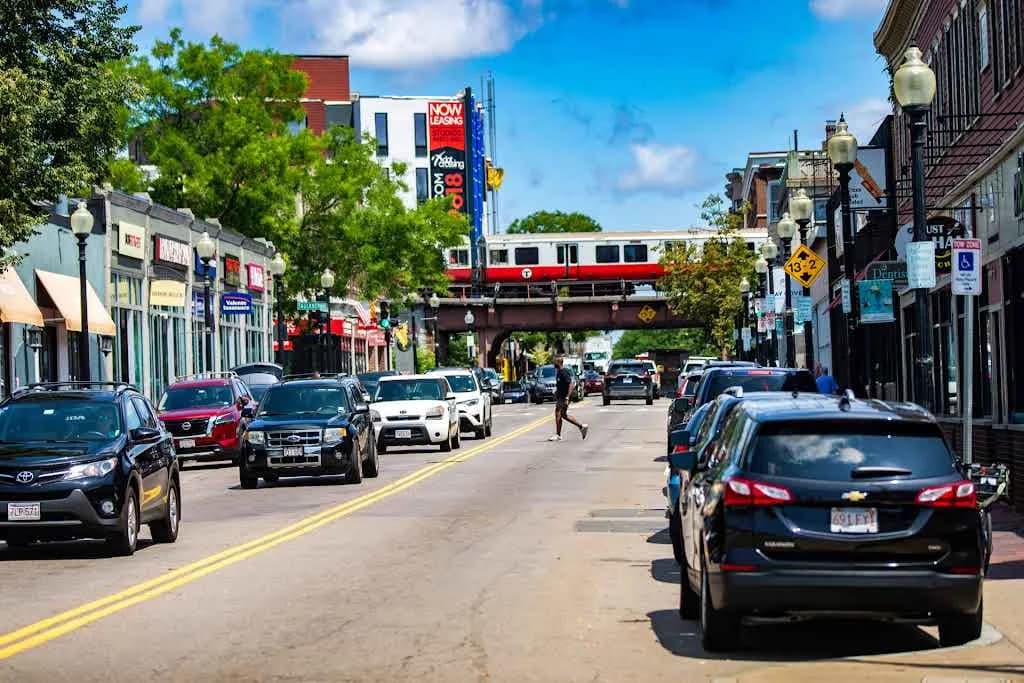
Busy, without question, especially around the commercial core. On weekend evenings, Harvard Avenue and Brighton Avenue come alive, and the whole neighborhood keeps later hours than most of Boston.
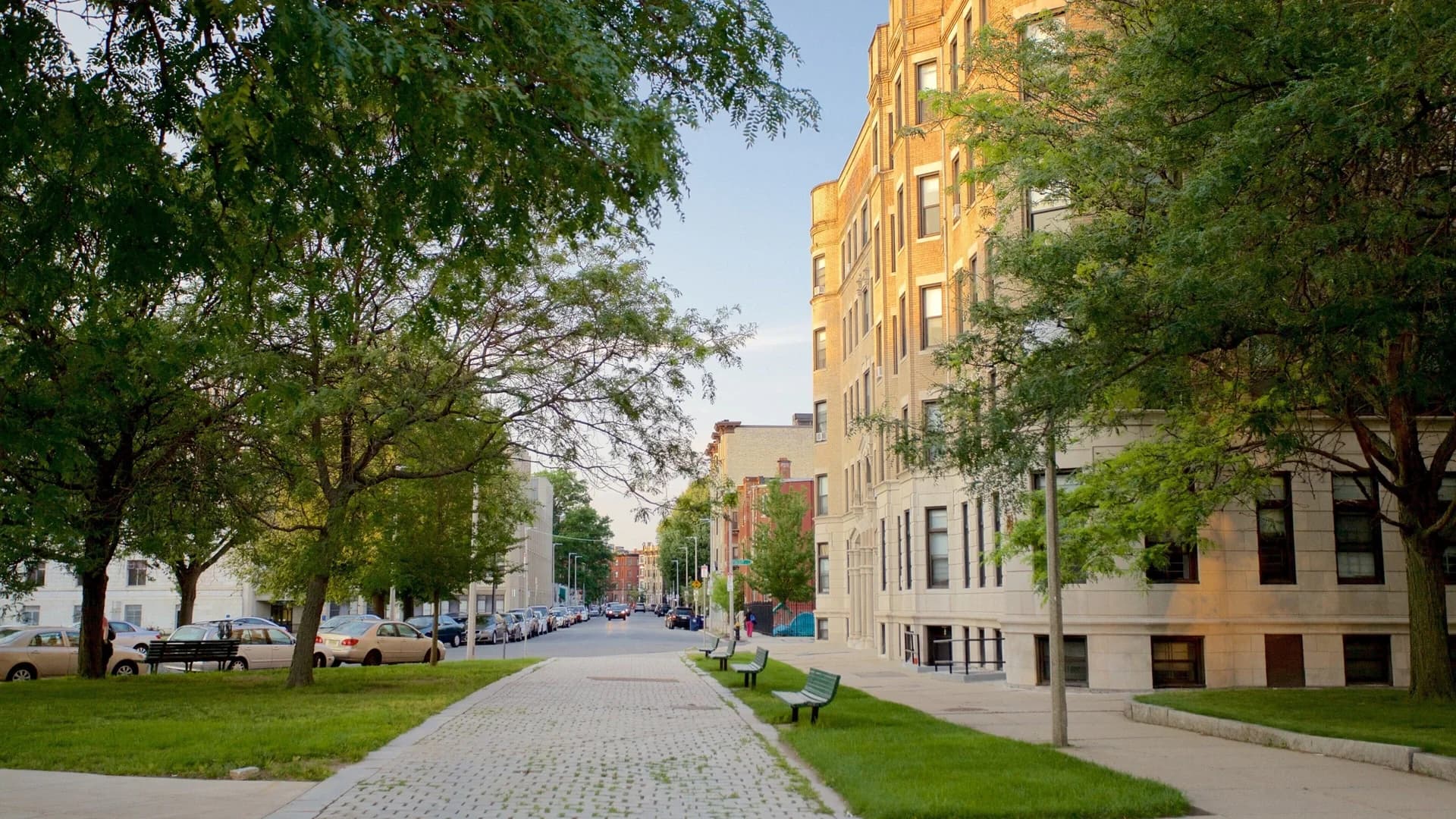
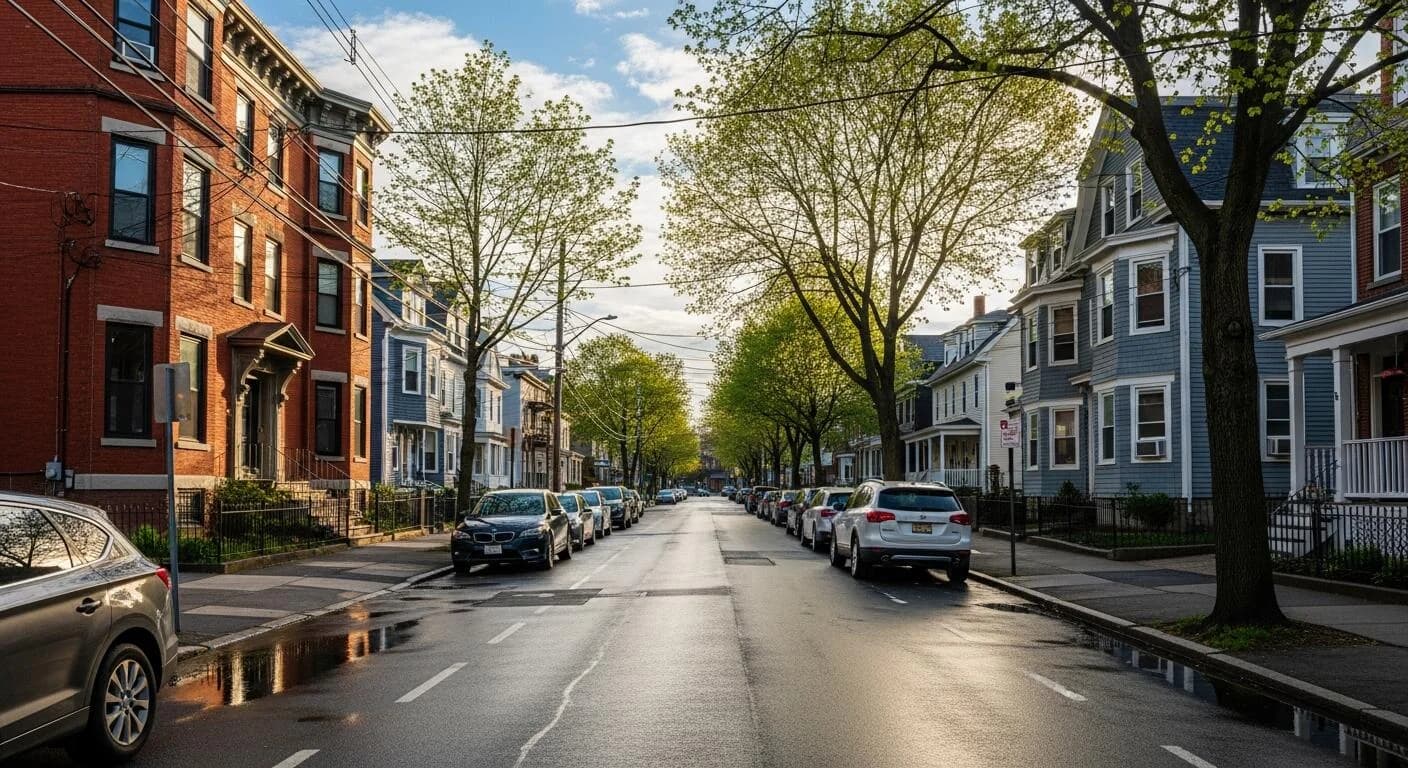
That said, noise varies a great deal from block to block. When I tour homes here with buyers, I always point out how different a unit feels just one or two streets off the main avenues. The side streets toward North Allston and the residential pockets near the Brighton line are noticeably calmer. Many are tree-lined, with owner-occupied buildings mixed in among the rentals.
A practical tip: Before you make an offer, visit the property on a Friday or Saturday night. A daytime showing won't tell you everything about an Allston street.
What is the dining and nightlife scene like in Allston?
If you want to eat well in Boston without spending much, Allston is hard to beat. Highlights include:
•International dining: Korean, Chinese hotpot, Japanese ramen, Brazilian, Vietnamese, Burmese, Turkish, and more, much of it a short walk from the central intersection.
•Bars and live music: Dive bars, craft cocktail spots, and two well-known concert venues anchor the nightlife.
•Independent cafés and bakeries: These work well for remote workdays and slow weekend mornings.
•International grocers: Specialty markets make it easy to cook at home with ingredients that are hard to find elsewhere.
Is Allston walkable?
Very. Groceries, coffee, the gym, dinner, and the train are all reachable on foot, so most daily errands don't require a car. That's a big reason first-time buyers here often go car-free or cut back to one car. The decision carries extra weight in Allston, because many older condos don't come with deeded parking.
What Are Condos and Townhomes Like in Allston?
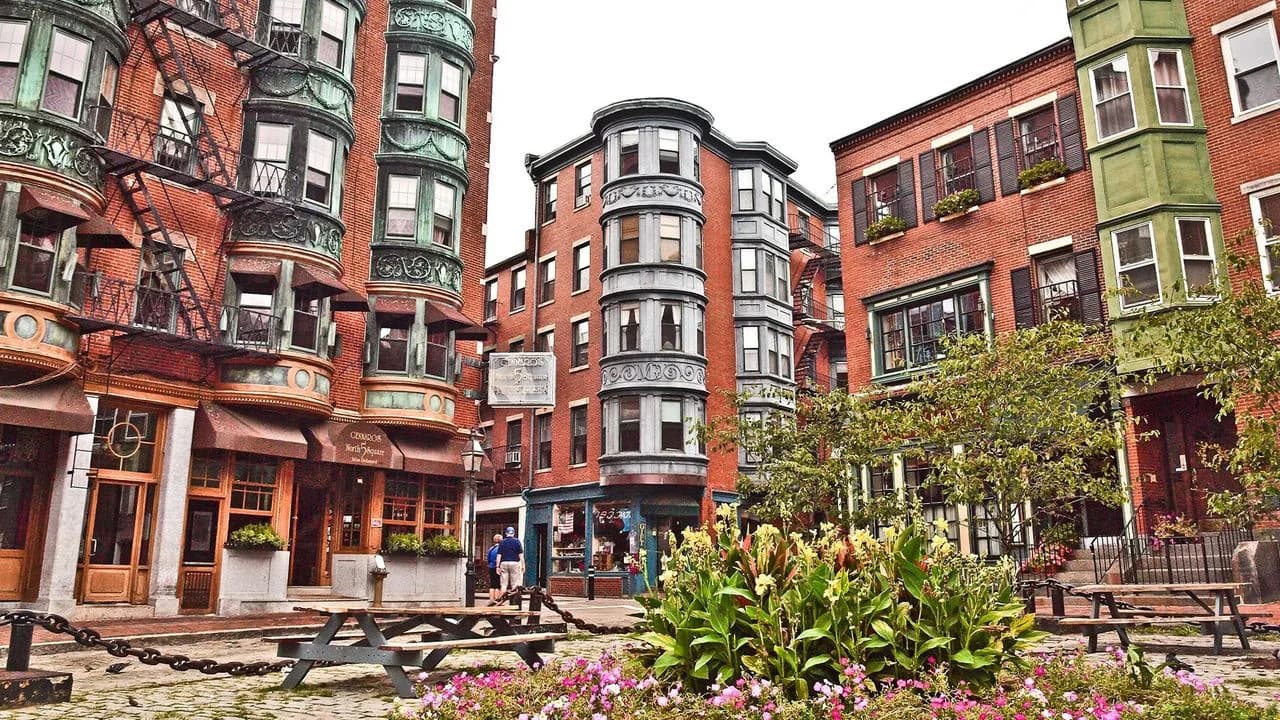
Most of Allston's housing is condominiums. The bulk are early-1900s multi-family homes converted into individual units, joined by a growing number of newer mid-rise buildings with modern amenities. Townhomes are much less common, and single-family homes are rare in the neighborhood's core.
What architectural styles will you find in Allston?
You'll typically see three styles:
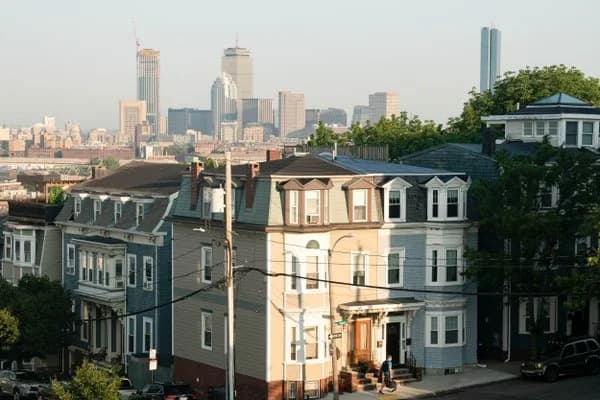
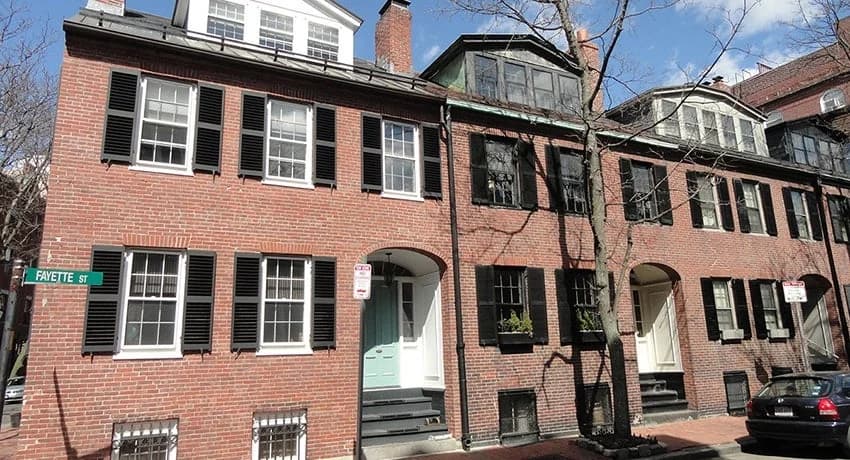
•Triple-deckers and two-families: These classic Boston multi-family homes make up a large share of Allston's condo stock. Most are wood-frame and date to the late 1800s and early 1900s. Many have been converted into one-floor-per-unit condos with updated kitchens and baths, and they often keep original details like bay windows and front porches.
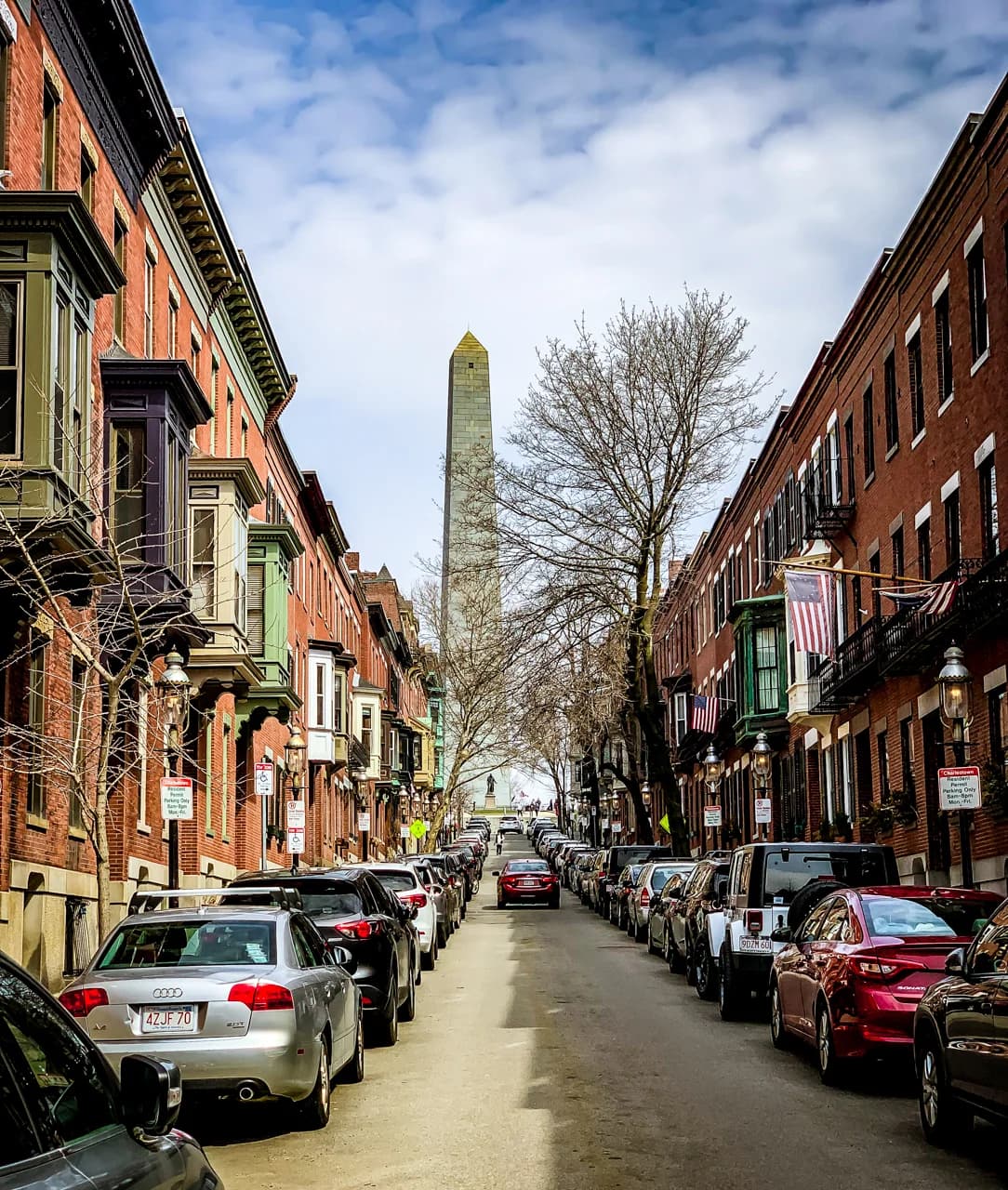
•Brick apartment blocks and rowhouse-style buildings: You'll find these closer to Commonwealth Avenue and the main corridors. Some have been converted to condos, and they often deliver good value per square foot.
•New-construction mid-rises: Newer developments, especially toward North Allston and the Boston Landing area, offer elevators, in-unit laundry, fitness rooms, garage parking, and roof decks. Many young professionals want exactly these amenities, and older buildings usually can't provide them.
How big are lots and units in Allston?
Lots are compact, as in most of Boston's inner neighborhoods. Buildings sit close together, with small front setbacks, shared side yards, and modest rear yards or parking pads. Private outdoor space usually means a porch, a balcony, or a shared yard. A lawn of your own is unusual.
Converted triple-decker units tend to be floor-through layouts, with rooms running front to back. New construction usually offers more open floor plans in a smaller footprint.
What do HOA fees typically look like in Allston condos?
HOA fees depend largely on the type of building:
•Small self-managed associations (two to three units in a converted house) usually have the lowest monthly fees. Owners generally split maintenance among themselves, so the reserve fund and the relationships among owners matter a great deal.
•Professionally managed mid-rises charge more because the fees cover elevators, staff, amenities, and building insurance. In return, owners handle far less day-to-day upkeep.
For first-time buyers, I always recommend reviewing the condo documents, reserve balance, and budget with your attorney before you commit. In a small association, a single deferred roof or porch repair can turn into a special assessment.
How does Allston compare to Brookline and Cambridge for condo buyers?
For buyers priced out of Brookline or Cambridge, Allston is often the practical alternative. You give up some polish and quiet, and in exchange you get more square footage, strong transit, and a neighborhood that's still evolving. Buyers who want a more residential feel at a similar price point often look at neighboring Brighton too.
What should buyers know about the Allston market in late 2026?
As of November 2026, Allston's market follows its own seasonal rhythm. Boston's student-driven September 1 lease cycle shapes the timing of both rentals and sales. Investor buyers remain active because rental demand stays consistently strong.
Late fall and winter tend to be quieter, which can give owner-occupant buyers more negotiating room than they'd have in the spring rush. If you're buying a unit with tenants, ask early about lease end dates and how the security deposit will be handled at closing.
Where Do People Gather in Allston?
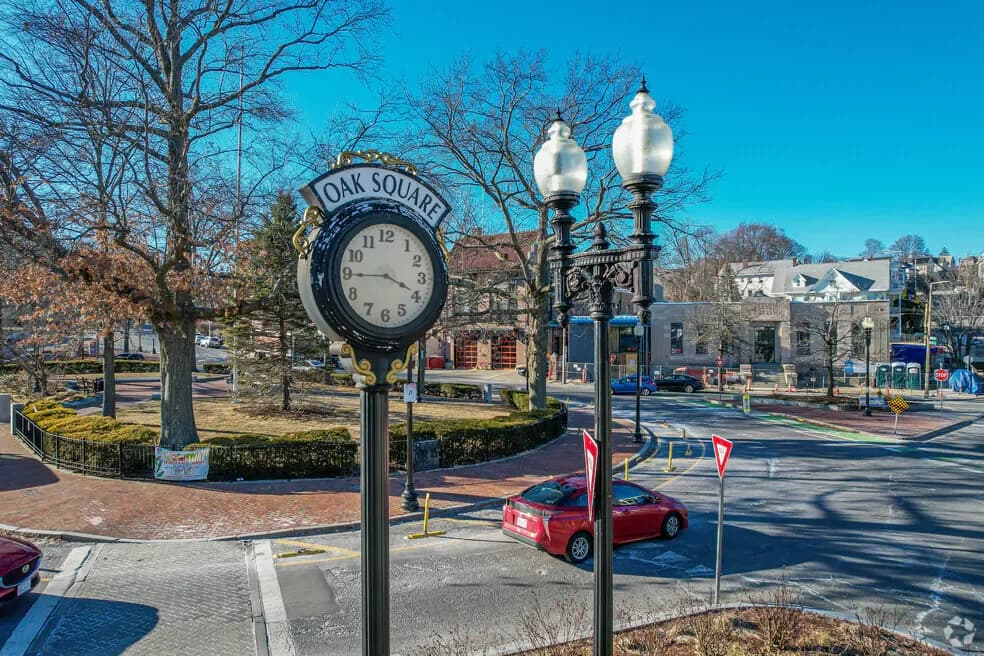
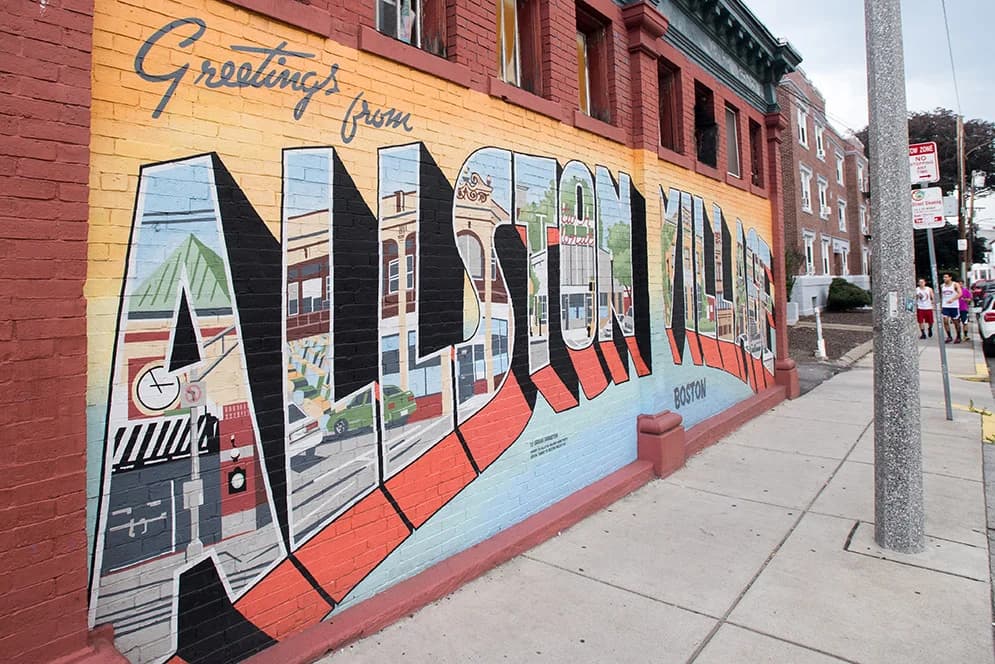
Allston life centers on the intersection of Harvard Avenue and Brighton Avenue, often called "Allston Village." Concert venues, parks, and the Charles River pathways fill out the rest of residents' free time.
What is the main commercial hub in Allston?
The Harvard Avenue and Brighton Avenue intersection serves as Allston's downtown. Within a few blocks, you'll find:
•Dozens of restaurants, from casual counter-service spots to sit-down Korean barbecue and hotpot
•Bars, cafés, bakeries, and bubble tea shops
•Vintage and record shops that reflect the neighborhood's creative roots
•Specialty grocers and everyday conveniences
Cambridge Street and the Union Square area of Allston (not to be confused with Somerville's Union Square) form a secondary, slightly lower-key hub.
What are the best music and cultural venues in Allston?
Allston has long been known as the home of Boston's live music scene:
•Brighton Music Hall, on Brighton Avenue, is an intimate venue for touring indie, rock, and electronic acts.
•Paradise Rock Club, on Commonwealth Avenue at the edge of Allston, is a historic stage that has hosted major artists for decades.
•Smaller bars and basement shows keep the local DIY scene active.
Where can you find green space in Allston?
Allston is dense, but outdoor space isn't far away:
•Ringer Park : This wooded, hilly park on the Brighton line has walking paths, playgrounds, tennis courts, and open fields. It offers a welcome break from the busy avenues.
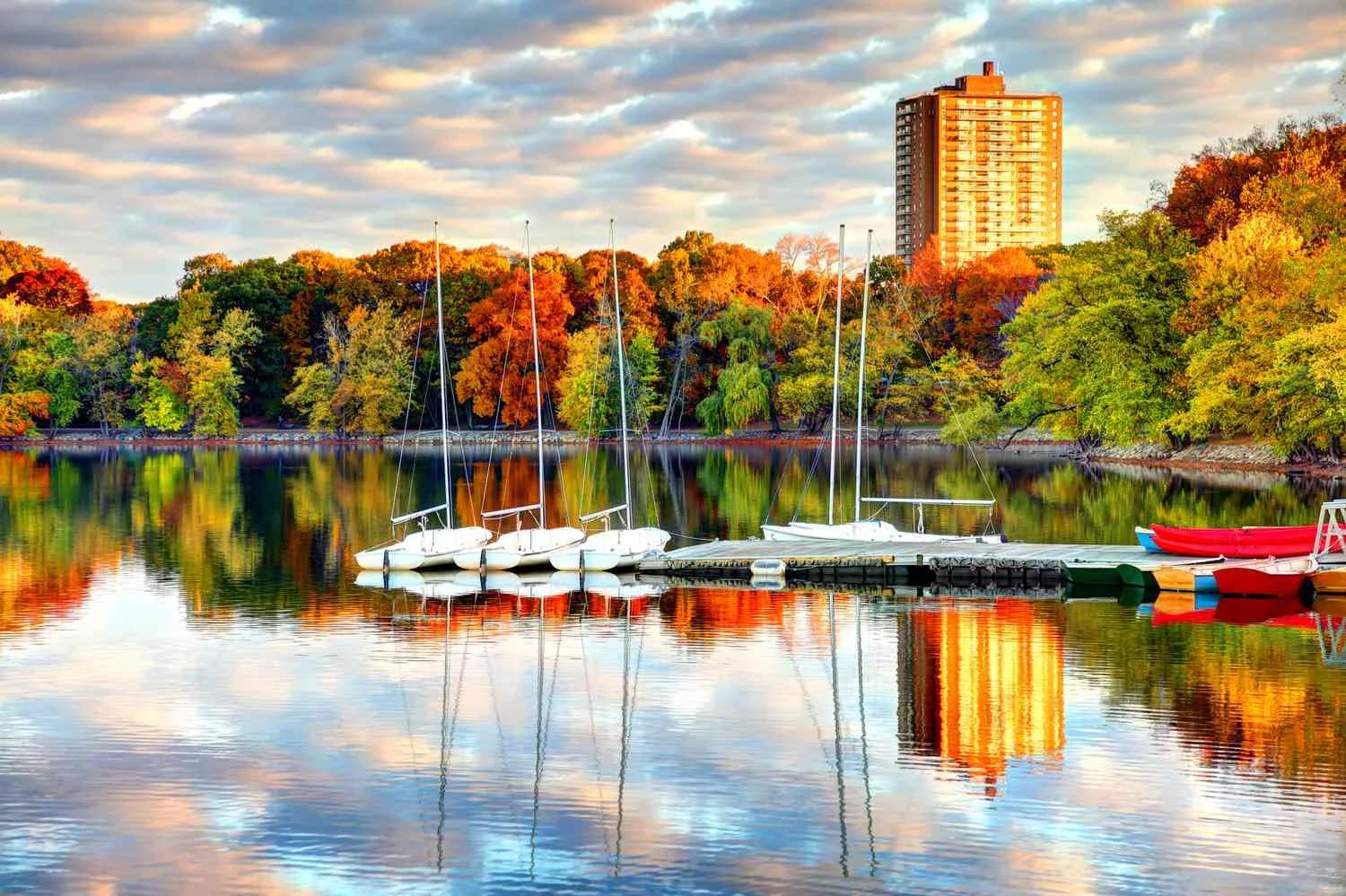
•The Charles River: North Allston gives you access to the Paul Dudley White Bike Path along the river. Runners and cyclists love it, and it's a popular route for bike commuters heading toward Cambridge or the Back Bay.
How Is the Commute from Allston to Boston and Cambridge?
Allston is one of Boston's better-connected neighborhoods. Between the Green Line B Branch, a Commuter Rail stop, several key bus routes, and direct Mass Pike access, you can reach downtown Boston and Cambridge easily without a car.
Which MBTA train stops serve Allston?
•Green Line B Branch: The B Branch runs along Commonwealth Avenue through Allston. Its stops at Harvard Avenue and Packards Corner serve the neighborhood's core, and the line connects to Boston University, Kenmore, and downtown via the Back Bay.
•For many residents, the B Branch is the most convenient option. It's also the slowest Green Line branch, so build in extra time during rush hour.
•Boston Landing Commuter Rail Station : Located on the Framingham/Worcester Line just over the Brighton border, this station offers a fast trip to Back Bay and South Station. It's a strong choice if you work in the Financial District or Seaport. Trains run less often than the subway, so check the schedule.
Which bus routes connect Allston to Cambridge?
•Route 66: This is Allston's main north-south route. It runs along Harvard Avenue to Harvard Square in Cambridge, and in the other direction through Brookline toward Nubian Square. It's especially useful for commuters working at Harvard, in Kendall Square, or in the Longwood Medical Area.
•Route 57: This route follows Brighton Avenue and Commonwealth Avenue toward Kenmore, duplicating much of the Green Line corridor.
•Route 86: This route links Allston to Harvard Square and Somerville.
What are the driving and highway options from Allston?
Drivers have quick access to the Massachusetts Turnpike (I-90) through the Allston/Brighton/Cambridge interchange. That makes trips to the western suburbs, Logan Airport (via the Ted Williams Tunnel), and Route 128 straightforward. Soldiers Field Road and Storrow Drive along the Charles River are also close by.
Keep an eye on the long-planned Allston Multimodal Project, which is expected to reshape the area around the I-90 interchange and the rail yards. It's a long-term factor for traffic patterns and future development in North Allston.
Do you need a car to live in Allston?
For most young professionals, no. Many of my buyers in Allston give up their car entirely or keep one for weekend trips. If you do drive, prioritize a unit with deeded or assigned parking. Resident permit parking is available on many streets, but competition for spaces is stiff, especially around the September move-in season.
Is Allston the Right Neighborhood for You?
Allston is a strong fit if you want energy, walkability, great food, and reliable transit to both Boston and Cambridge, and if a condo's location and character matter more to you than a quiet street or a private yard. For a first home in the city, it offers some of the best value in the inner Boston market, as long as you choose your block and building carefully.