South Boston (“Southie”) Real Estate Guide for Young Professionals: Waterfront Living, Condos, and an Easy Downtown Commute
Southie’s energetic waterfront vibe for young pros—St. Patrick’s Day Parade since 1901, Red Line (Broadway/Andrew), #7 bus $1.70, 73 DOM.
Written ByAndrew Goldberg
PublishedJanuary 27, 2026
UpdatedFebruary 24, 2026
I'm Andrew Goldberg, a Boston real estate advisor specializing in first-time buyers across Greater Boston. I guide you A to Z—from first search to closing day. Serving Boston, Brookline, Cambridge, Medford, Somerville and Newton, MA.
What is the vibe of living in South Boston for young professionals?
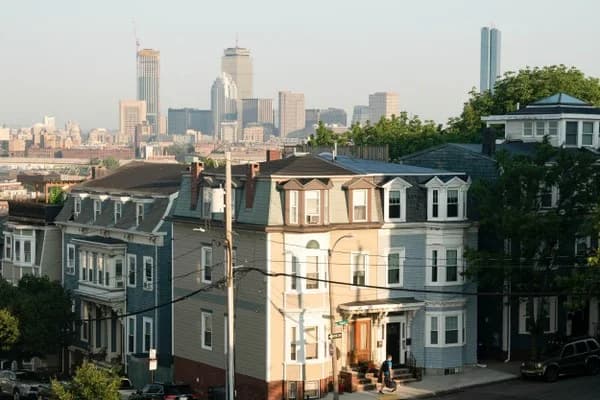
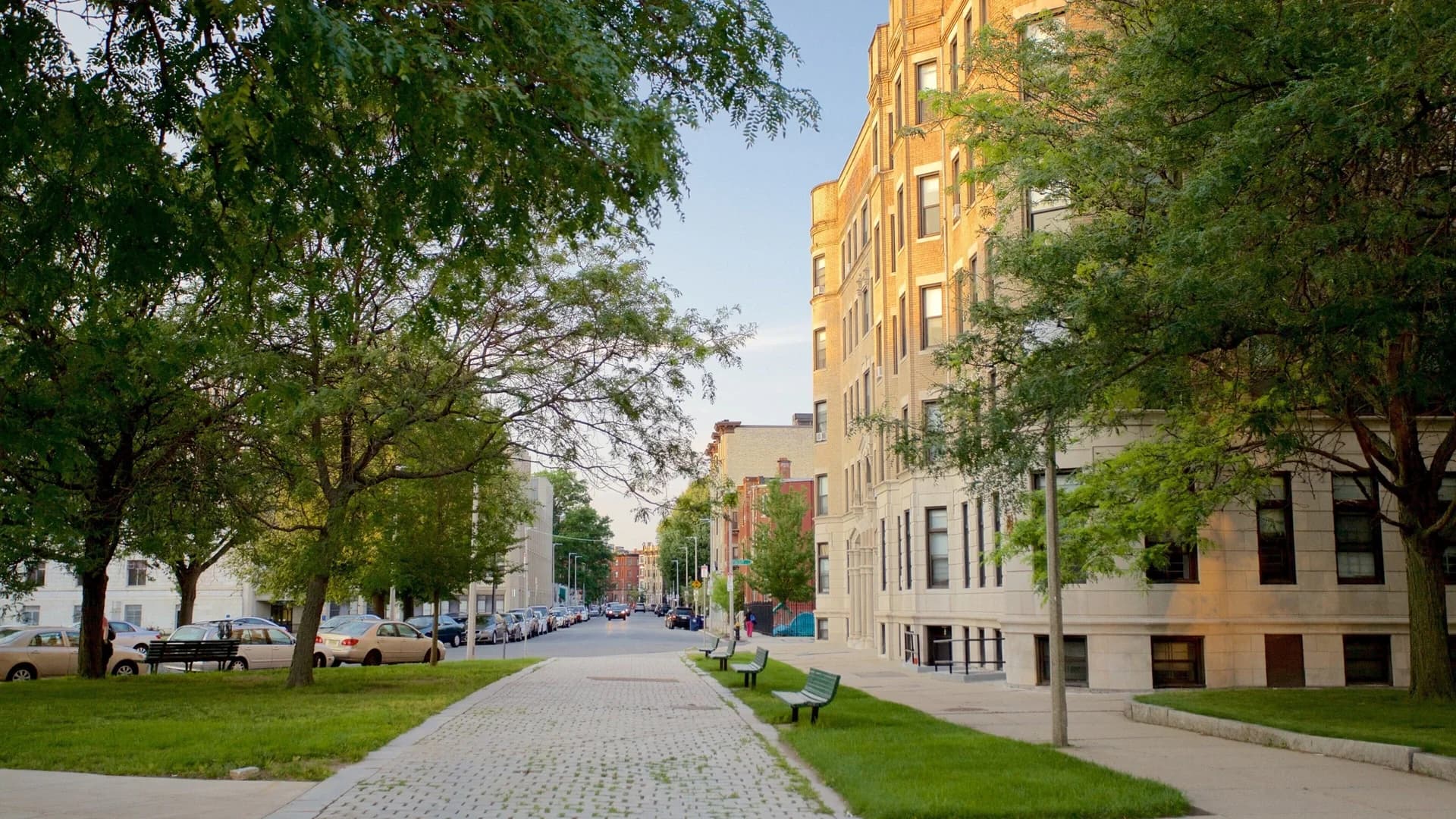
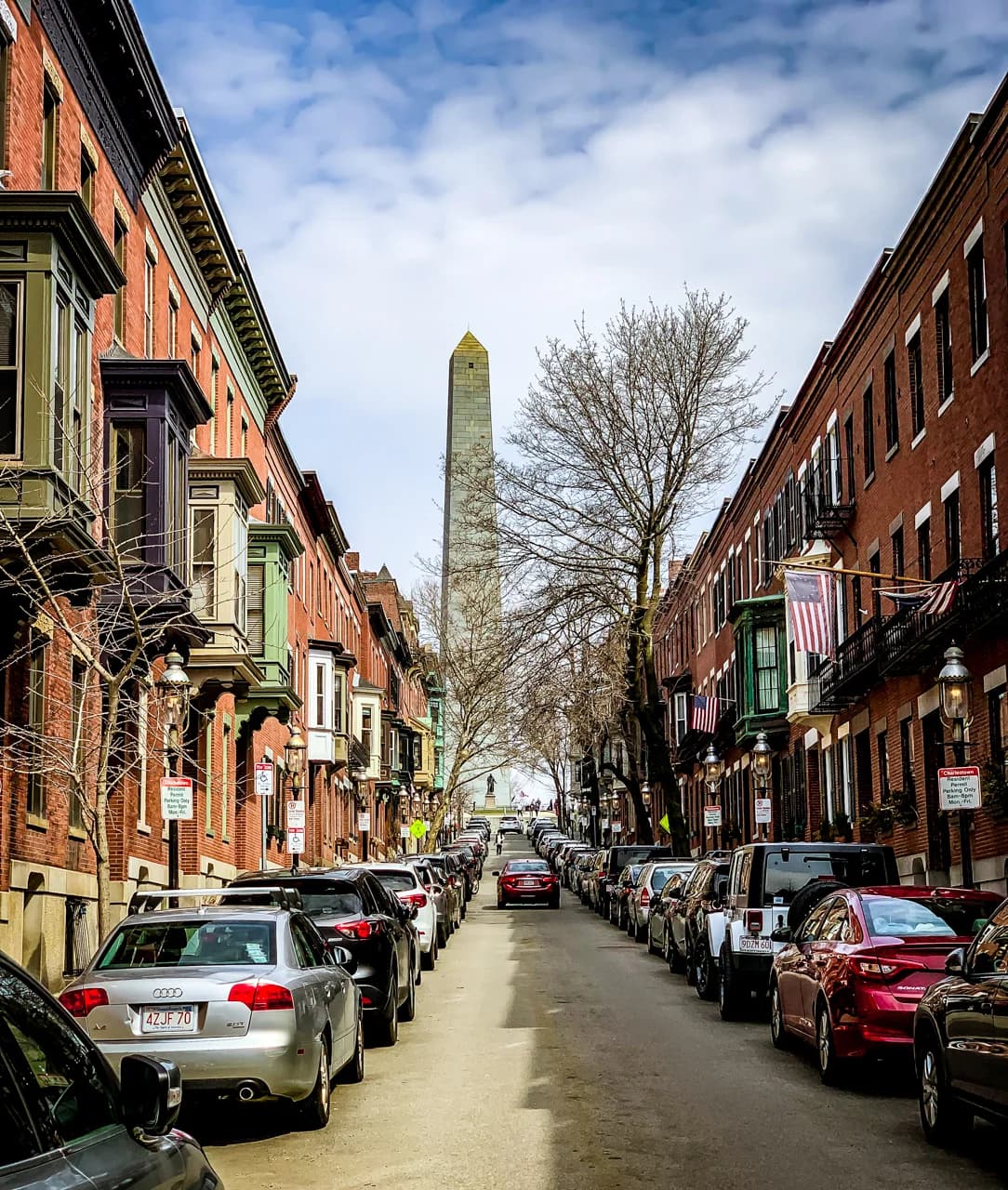
South Boston—or "Southie" to locals—has carved out a reputation as one of the city's most dynamic neighborhoods for young professionals. It's a place where historic working-class roots meet modern energy, creating a community-focused atmosphere that feels distinctly different from the polished glass towers of the neighboring Seaport.
Walk through Southie and you'll notice something immediately: people actually know their neighbors here. The social scene thrives on genuine connection. Yes, the area has evolved considerably—industry experts point to 2025 as a pivotal "year of transition" for the market—but the neighborhood hasn't lost its soul. Just look at the annual St. Patrick's Day Parade, which has been marching down Broadway since 1901. That kind of tradition doesn't fade easily.
My clients are drawn here for good reason. There's a balance between active living and social connectivity that's hard to find elsewhere. Early morning joggers along the waterfront. Weekend brunch crowds on West Broadway. The neighborhood pulses with life. The cost of living runs 66% above the national average, but what you're paying for is access to a coastal urban experience that simply doesn't exist in most of Boston.
What kind of condos and homes can I buy in South Boston?
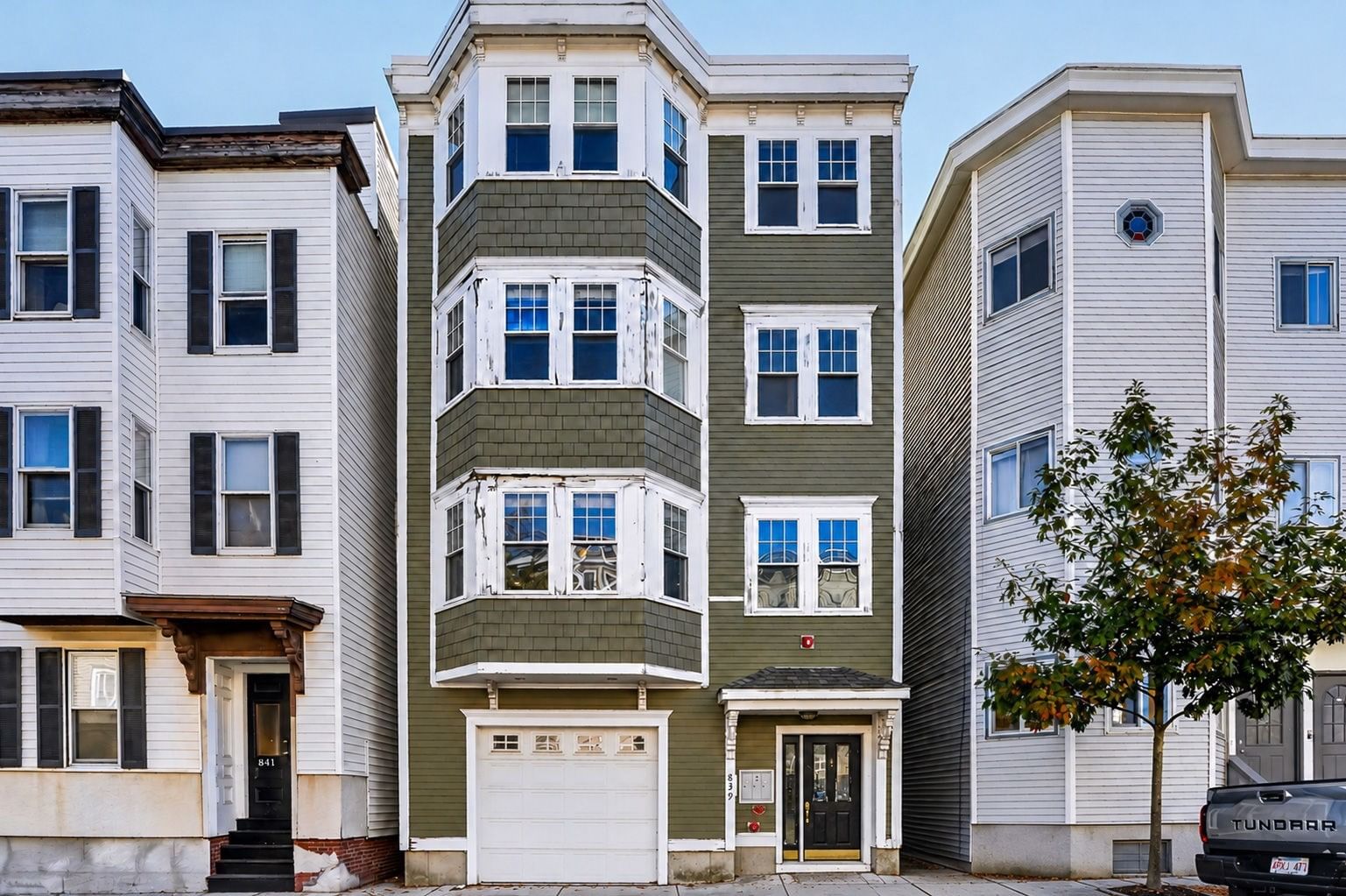
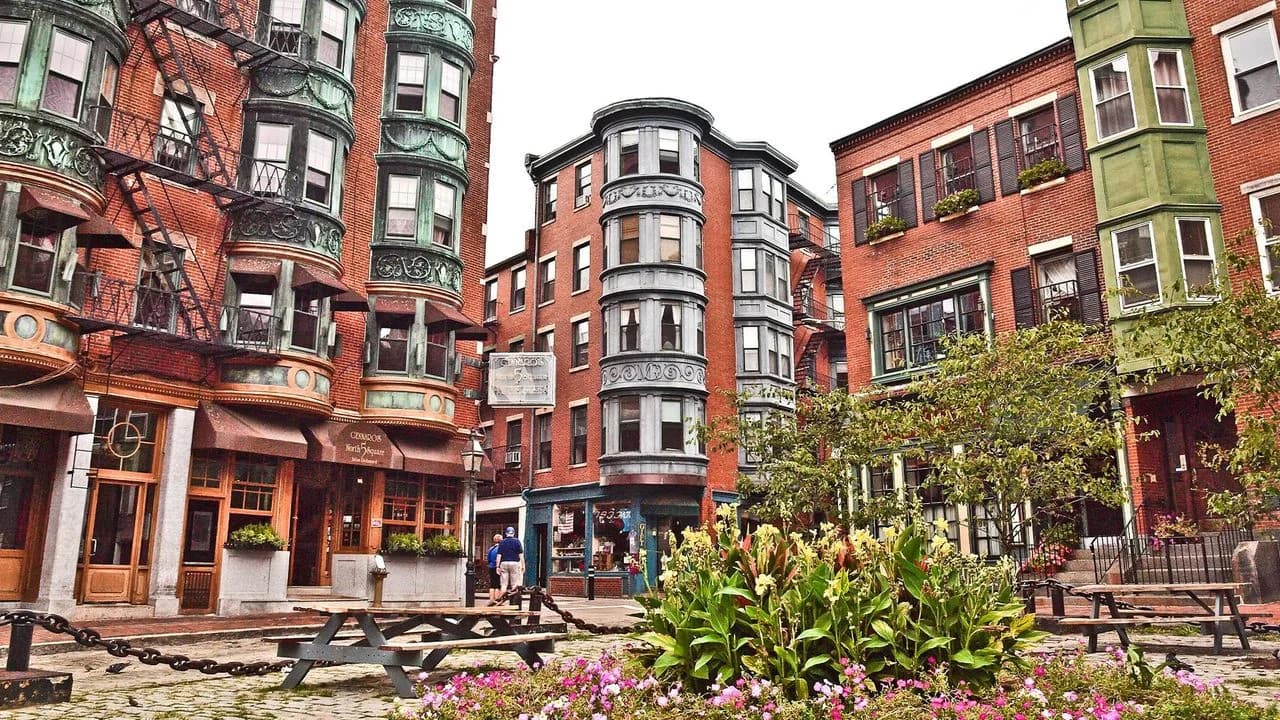
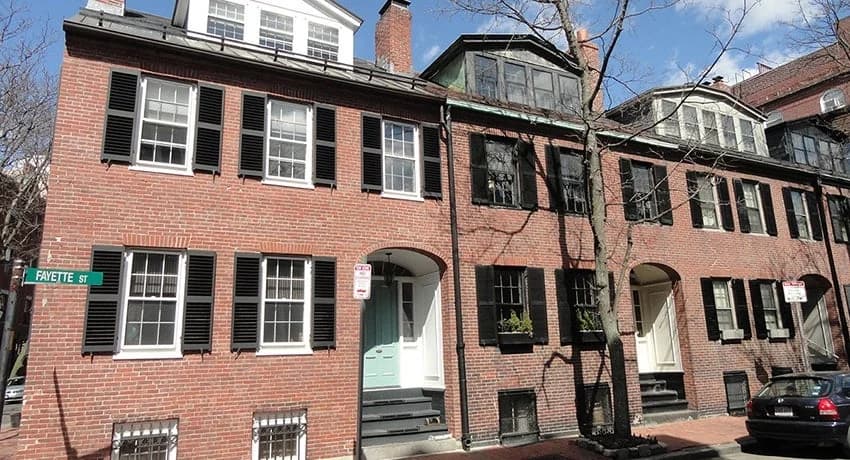
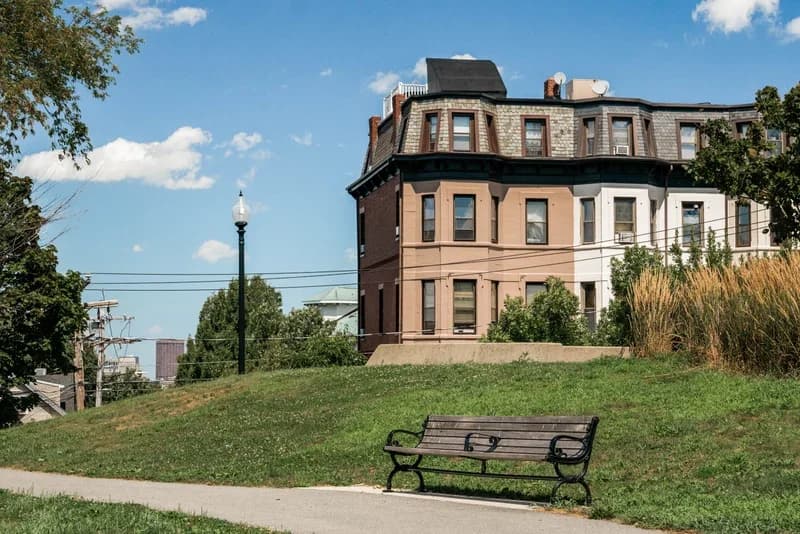
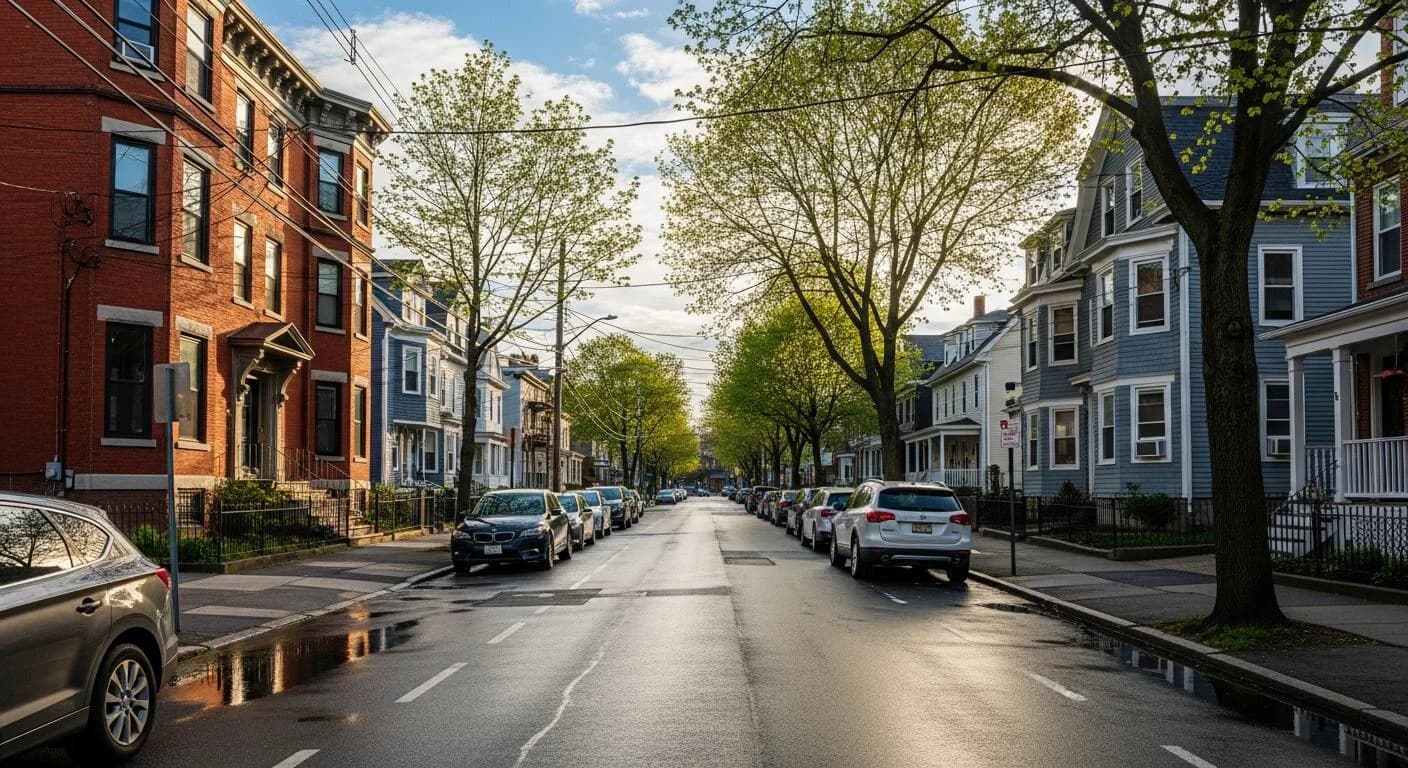
South Boston's housing landscape blends old and new in interesting ways. The market is dominated by condos and renovated townhomes—think classic Victorian triple-deckers converted into floor-through units, alongside newer mid-rise buildings with elevators and garage parking.
The market itself demands a strategic approach. As of early 2026, Boston's median listing price sits at $949,000.
Boston Housing Market Snapshot (Jan 2026 + Recent Supply/Demand)
High-impact headline view for young professionals: pricing and time-on-market alongside supply and demand indicators (mixed units kept in a hero card).
Boston (Jan 2026)
Median listing price$949,000
Newly listed homes392
Median days on market73 days
Pending sales growth9.2% annual gain
Boston Apartments (Q1 2024)
Vacancy rate5.6 percent
Source:Realtor.com (Jan 2026) + Boston REB (Jan 2026) + HUD CHMA Boston (Q1 2024)
Understanding market composition matters here. South Boston isn't the suburbs. Single-family homes are rare. Instead, you're looking at association-managed properties, with condominium communities representing 38% of community associations in the broader market.
HOA / Community Association Mix (2024)
Shows the split of community association types (distribution totals 100%). Helpful context for condo-heavy, amenity-rich urban living.
TOTAL
Single-family homes (share of community associations)
60%
Condominium communities (share of community associations)
38%
Shows the split of community association types (distribution totals 100%). Helpful context for condo-heavy, amenity-rich urban living.
Series
Label
Value
General
Single-family homes (share of community associations)
60%
General
Condominium communities (share of community associations)
One critical detail: HOA fees. They're climbing due to rising maintenance and management costs. But in many converted multi-family buildings, your monthly fee covers master insurance and water, which simplifies budgeting.
The market moves quickly, though not frantically. Boston's median days on market currently stands at 73 days—slightly faster than the national average.
Boston vs National: Days on Market (Jan 2026)
Fast comparison of market speed: Boston’s median days on market versus the national median (same unit).
Boston
National
Fast comparison of market speed: Boston’s median days on market versus the national median (same unit).
You don't need to panic, but you do need to be ready. My job is helping clients evaluate properties efficiently—checking warrantability, reviewing reserve funds—so when the right unit appears, you can move with confidence.
Where are the best places to eat and relax in South Boston?
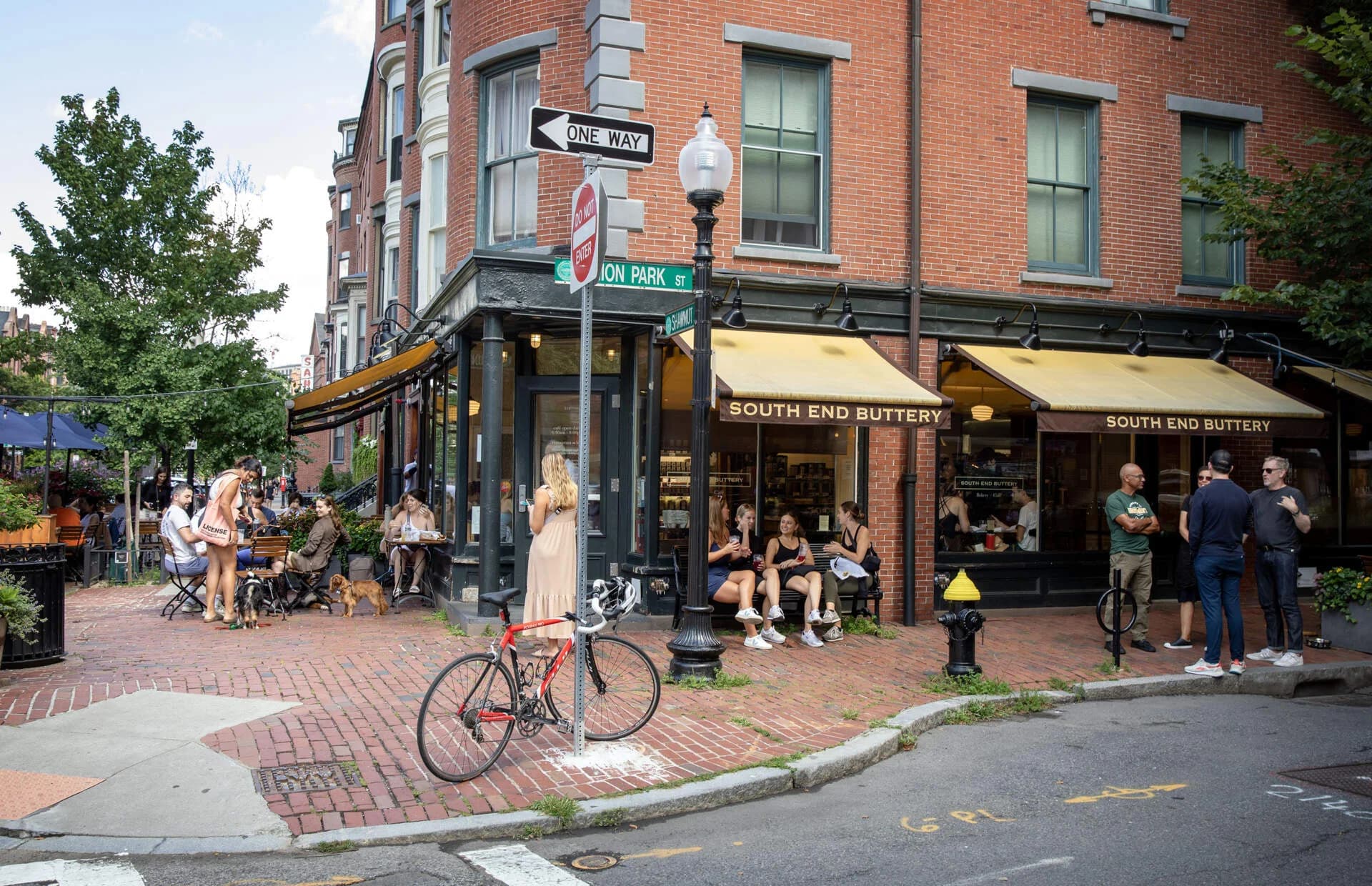
West Broadway and East Broadway form the social spine of South Boston. Restaurants, bars, and boutiques line these streets, creating the gathering spaces where neighborhood life happens. For casual meetings or after-work drinks, spots like Lincoln Tavern & Restaurant anchor the Southie social scene with their lively, welcoming atmosphere.
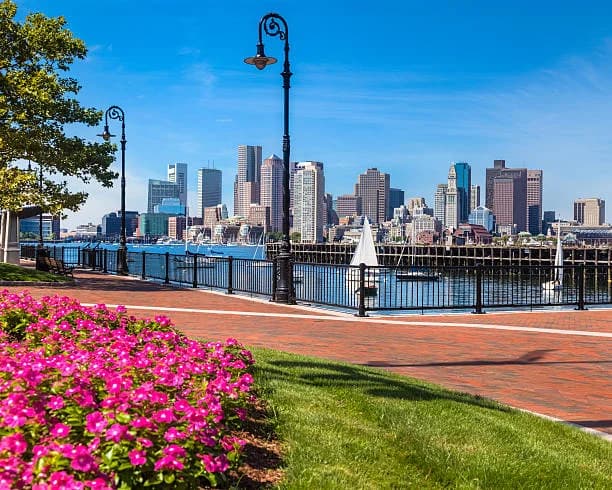
But the real treasure of South Boston is its waterfront access. Castle Island and Pleasure Bay offer a stunning loop for walking, running, or simply decompressing after a demanding week. Finding this kind of oceanfront access within city limits is genuinely rare.
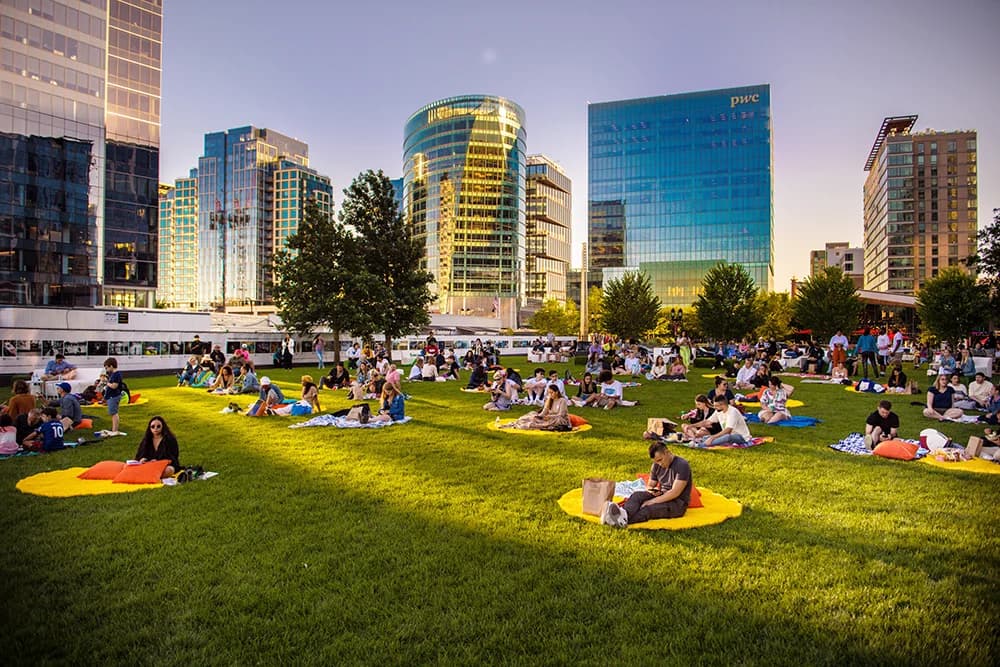
For something different, the Lawn on D provides an interactive outdoor space with swings and games that draws crowds from across the city. If you prefer quieter mornings, many locals start their day at Flour Bakery + Cafe, grabbing coffee and pastries before heading to the waterfront.
How is the commute from South Boston to Downtown and the Seaport?
South Boston offers one of the region's most practical commutes, particularly for professionals working in the Financial District or Seaport. Many residents on the West Side simply walk to work.
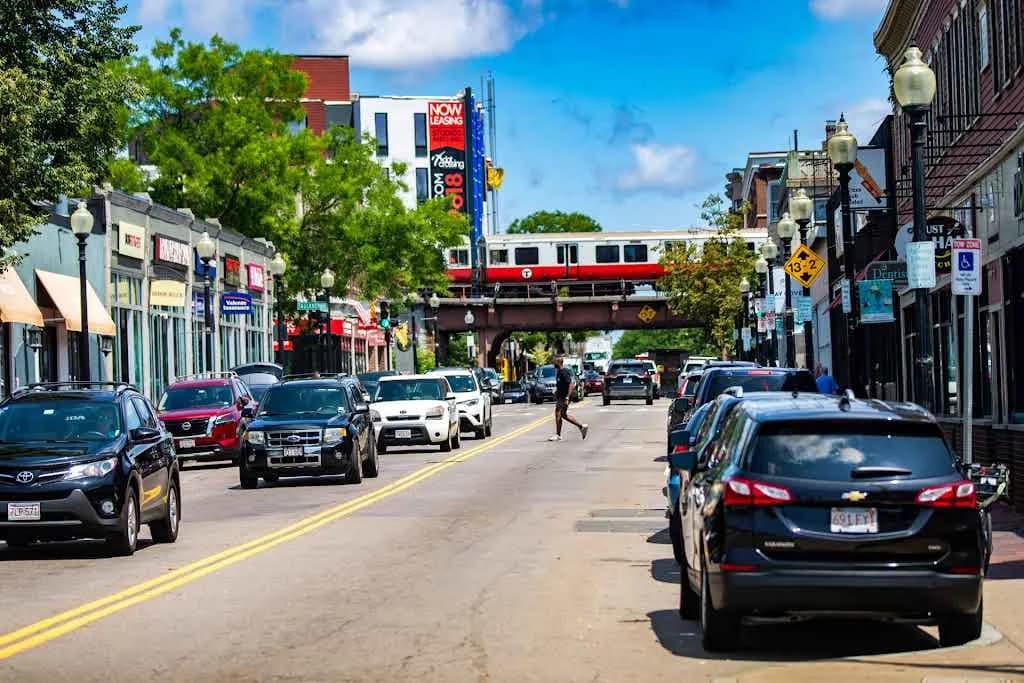
The MBTA Red Line serves the neighborhood through Broadway and Andrew Stations, though typical headways run 10+ minutes. Bus routes—particularly the #7, #9, and #11—provide essential connections. The #7 bus functions as a popular express route downtown. Current one-way local bus fare is $1.70.
Cycling culture runs strong here. The city has invested substantially in bike infrastructure, and the Bluebikes network spans 267 total stations with hundreds of e-bikes available.
Bluebikes Network Scale (Citywide)
Quick scale check for bike-first urban routines: system size and e-bike availability (counts only; same unit type).
Quick scale check for bike-first urban routines: system size and e-bike availability (counts only; same unit type).
The commute picture continues improving. Regional priorities include significant funding allocated for roadway and transit transformation projects through 2030.
$754,169,752Regional Target Dollars
Boston Region MPO: FFYs 2026–30 Regional Target Investment Summary
Infrastructure and mobility investments that shape urban, car-light living—summarized from the MPO’s program totals and key categories (mixed $ and project counts).
Recent initiatives like the Summer Street Pilot Program introduced dedicated bus and truck lanes to improve traffic flow. While the pilot concluded in June 2024, the city retained key safety features—protected bike lanes and updated signal timing—ensuring efficient connections whether you drive, bike, or take the T.
Is South Boston, MA a good neighborhood for young professionals who want a community feel?
South Boston (“Southie”) has a high-energy, community-focused vibe that blends historic working-class roots with a modern, youthful edge. It’s known for a neighborhood feel where neighbors recognize each other and the social scene is active.
Local tradition is a big part of the identity, highlighted by the St. Patrick’s Day Parade that has run down Broadway since 1901.
What types of condos and townhomes are most common in South Boston, MA?
South Boston housing is dominated by condos and renovated townhomes. A common option is a Victorian triple-decker converted into a floor-through condominium.
You’ll also see newer mid-rise condo buildings, often with elevator access and garage parking.
How competitive is the South Boston, MA real estate market right now?
The market is active and tends to move quickly, so buyers generally need to be prepared to act decisively. Boston’s median days on market is 73 days, which is slightly faster than the national average.
Industry experts described 2025 as a major “year of transition” for the market, reflecting ongoing change while South Boston retains its local character.
How expensive is it to live in South Boston, MA, and what should buyers know about HOA fees?
South Boston’s cost of living is about 66% above the national average. As of early 2026, the median listing price for a home in Boston is $949,000.
Condo HOA fees have been rising due to higher maintenance and management costs. In many converted multi-family buildings, HOA fees often cover master insurance and water, which can simplify monthly utility bills.
How is the commute from South Boston, MA to Downtown Boston and the Seaport?
South Boston offers one of the most convenient commutes to Downtown and the Seaport, and many residents walk—especially from the West Side near the Seaport border. The MBTA Red Line serves the area via Broadway and Andrew Stations, with typical headways of 10+ minutes.
Key bus routes include the #7, #9, and #11, and the #7 is a popular express option to downtown. Cycling is also common, supported by an extensive Bluebikes network with 267 total stations.
Is South Boston, MA walkable, and where do locals spend time outside?
South Boston’s main social corridors are West Broadway and East Broadway, which are packed with restaurants, bars, and boutiques. For waterfront time, Castle Island and Pleasure Bay offer a loop that’s popular for walking and running.
For outdoor activities with a citywide draw, the Lawn on D is known for interactive features like swings and games.
Are condos common in South Boston, MA compared with single-family homes?
Yes—South Boston is much more condo- and association-oriented than many suburban areas where single-family homes dominate. In the broader market context, condominium communities make up 38% of community associations.
That structure makes it especially important to review association details and monthly fees when comparing units.