
What Is It Like to Live in Beacon Hill as a Young Professional?
Beacon Hill pairs energetic, walk-everywhere city living with genuine historic character. Its brick sidewalks bustle with commuters, diners, and shoppers, yet the residential side streets feel calm, almost like a village. If you're an ambitious professional who wants to live at the center of Boston without sacrificing charm, few neighborhoods come close.
Is Beacon Hill Busy or Quiet?
That depends entirely on the block. Beacon Hill runs on two distinct rhythms:
•The main arteries are busy. Charles Street, Cambridge Street, and the stretch of Beacon Street facing Boston Common see steady foot traffic from the first coffee run to the last dinner seating. Office workers, hospital staff from nearby Mass General, State House employees, and visitors keep these streets moving all day.
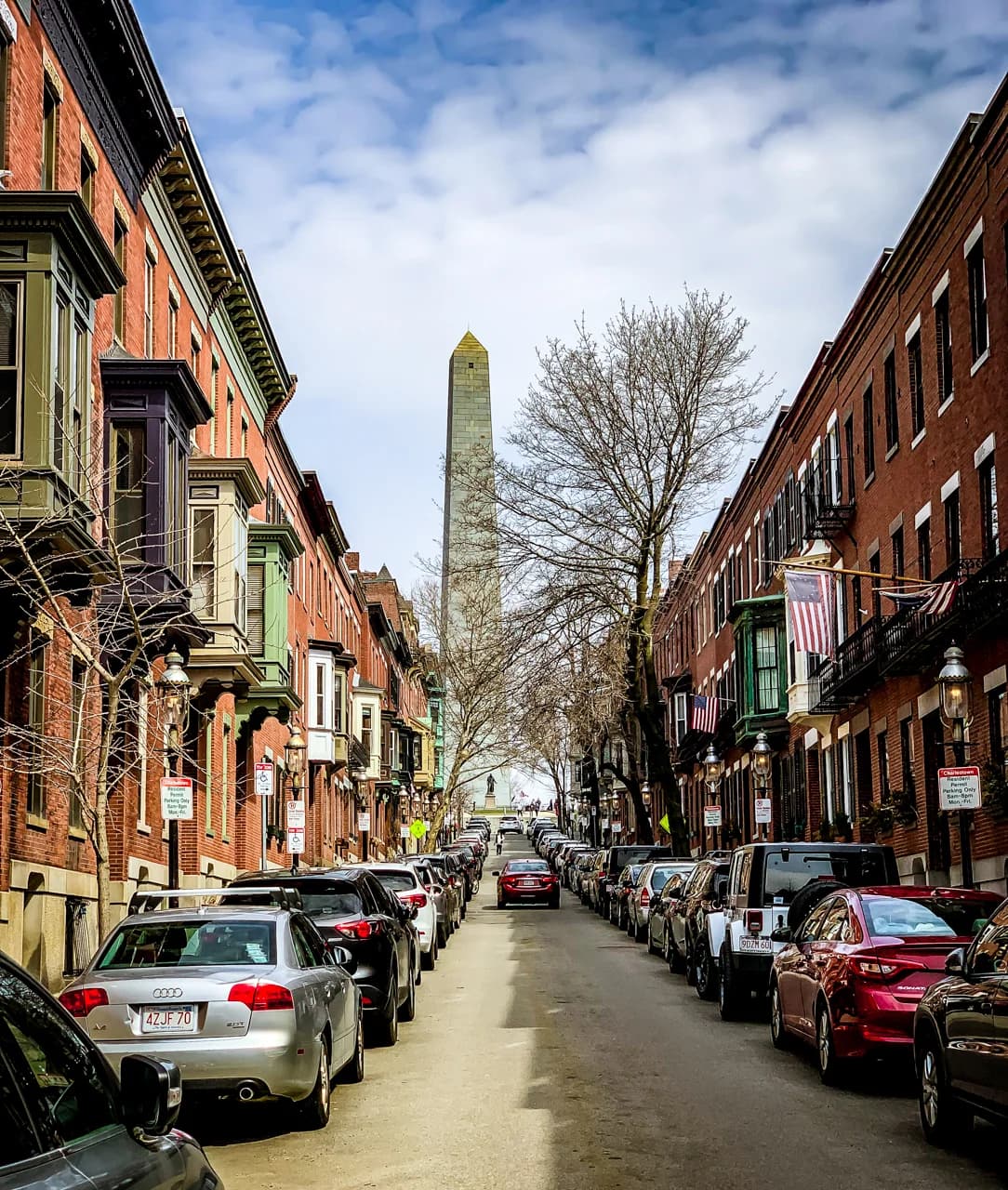
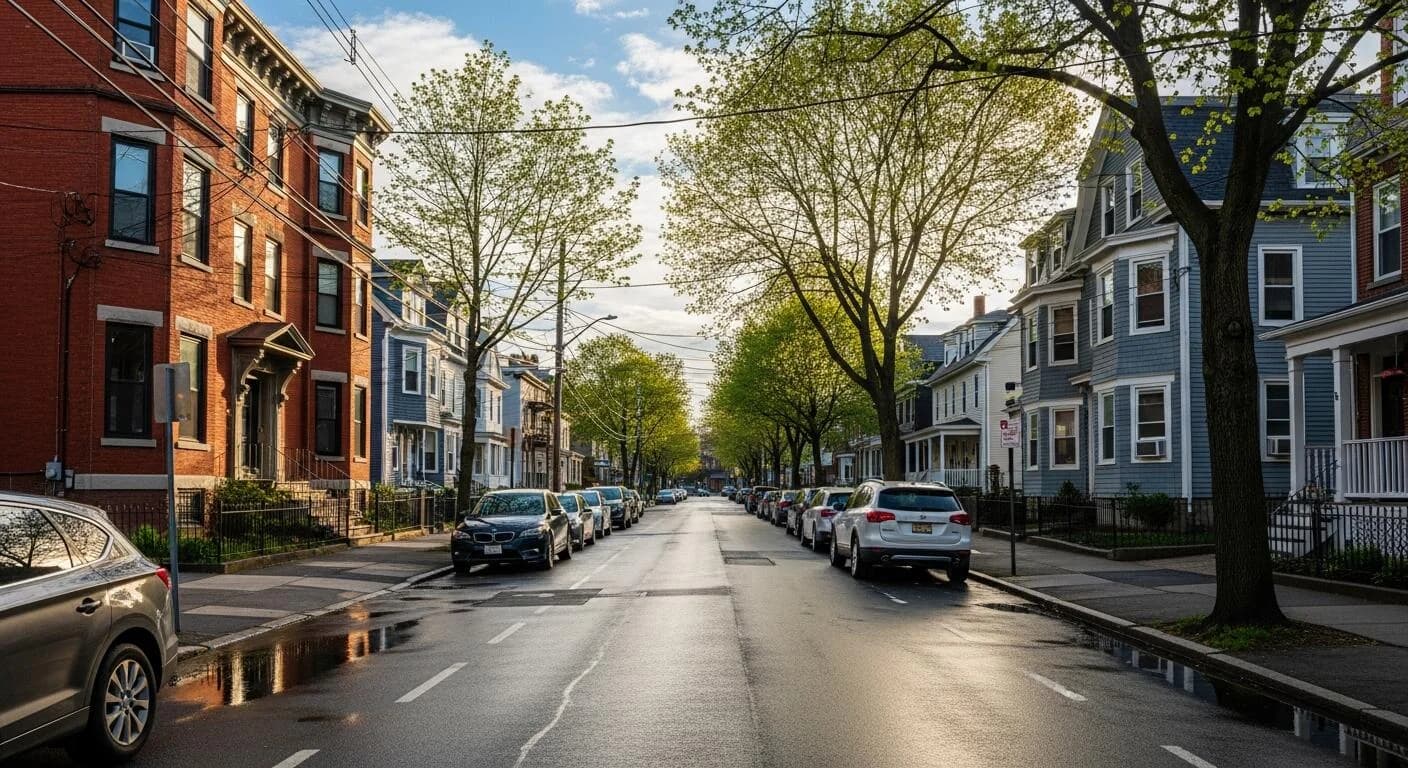
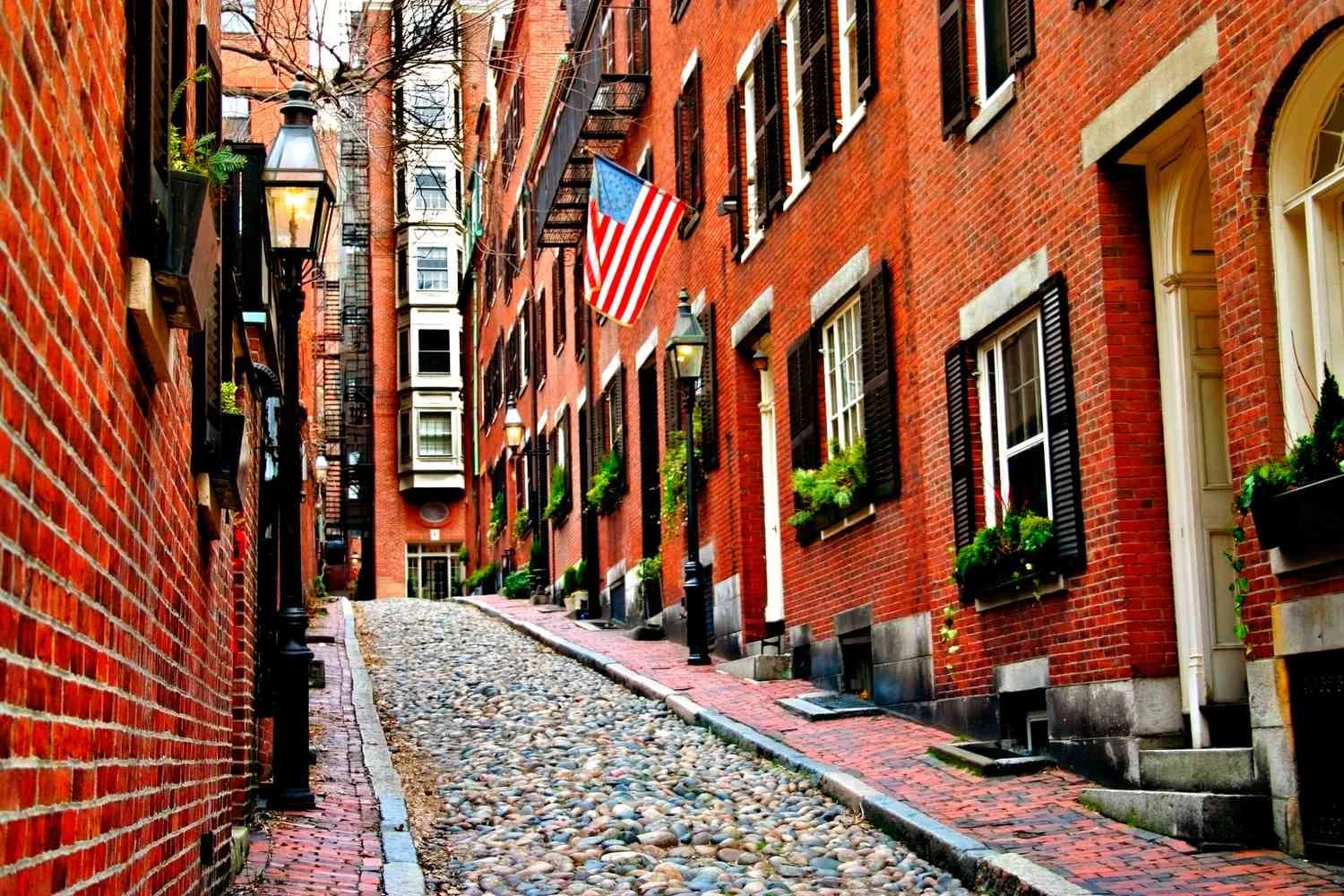
•The interior streets are quiet. Turn onto Pinckney, Mount Vernon, or Chestnut, and the noise fades almost immediately. Gas lamps, narrow lanes, and window boxes set the mood. On a weekday evening, you may hear little more than footsteps on brick.
When I walk buyers through the neighborhood, this contrast is usually what wins them over. A lively bistro is three minutes away. A peaceful, tree-lined street is five.
Who Lives in Beacon Hill?
The community includes young professionals, medical residents and physicians, graduate students, longtime owners, and empty-nesters who have downsized from the suburbs. Together, they create a social fabric that feels polished but approachable. Neighbors tend to be career-focused, civically engaged, and fiercely protective of the neighborhood's historic character.
Boston's newer high-rise districts offer glass towers and amenity decks. Beacon Hill offers something different: walkability, architecture, and a strong sense of place. The people who choose it generally care more about where they live than whether the building has a rooftop pool.
What Is the Dining and Social Scene Like in Beacon Hill?
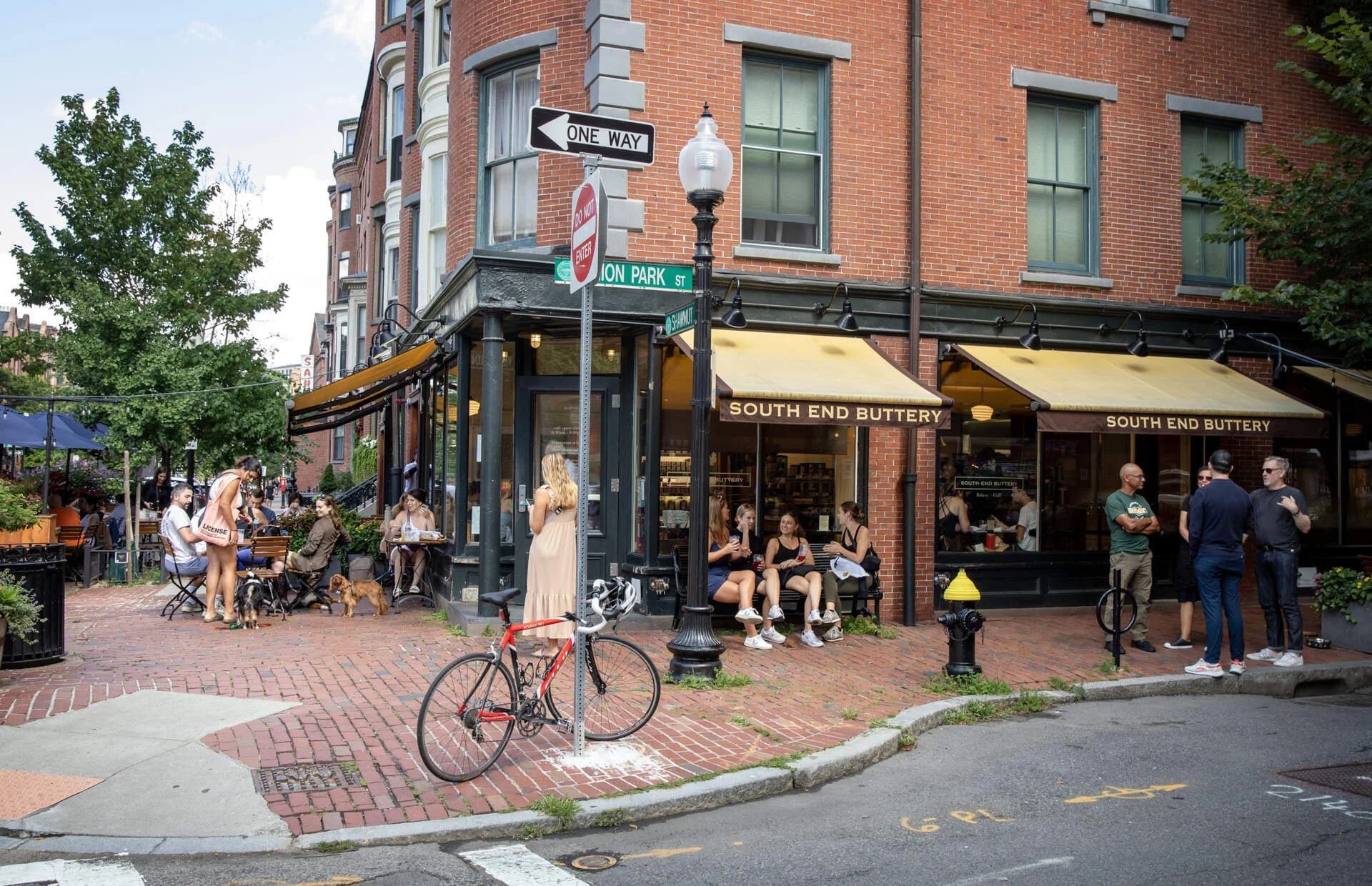
Social life centers on Charles Street and spills over toward Cambridge Street. You'll find intimate wine bars, neighborhood taverns, classic Italian restaurants, and cafés that fill up on weekend mornings. Toscano has long been a favorite for a weeknight dinner or a client meal. The overall vibe is cozy and conversational, not nightclub-loud. When you want a bigger night out, the Seaport, Downtown, and Back Bay are a short walk or ride away.
What Are Condos and Townhomes Like in Beacon Hill?
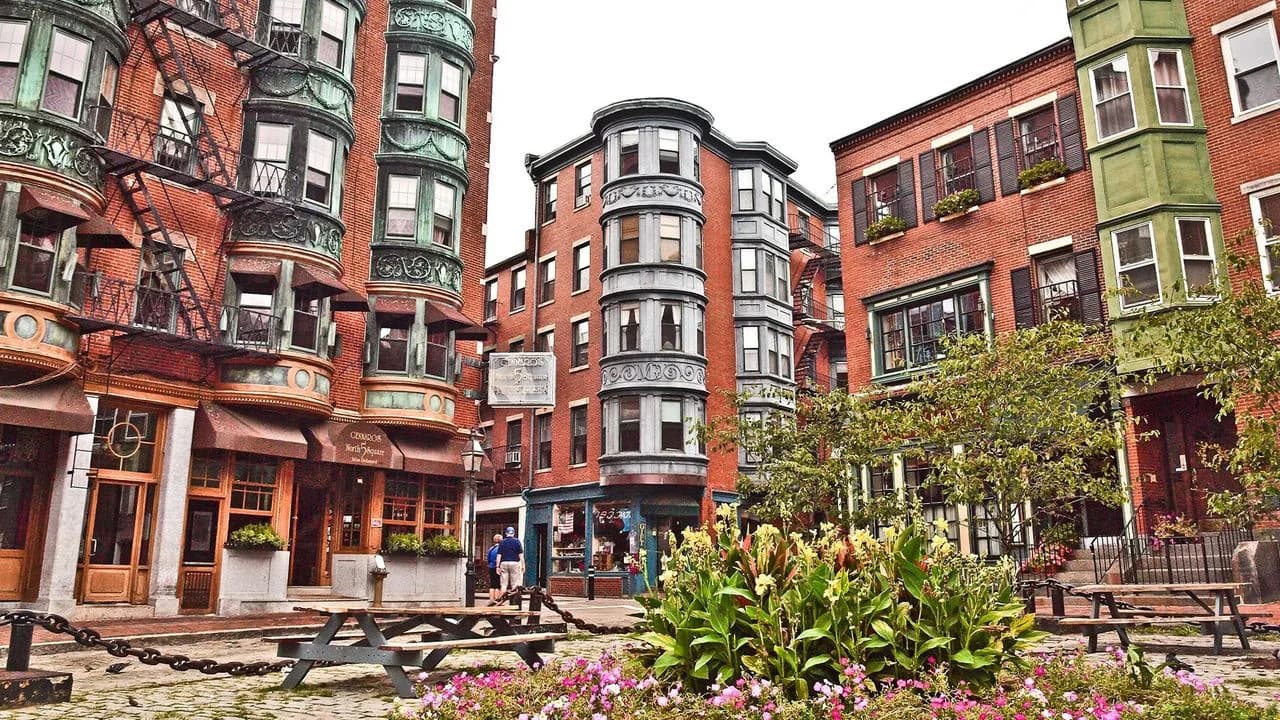
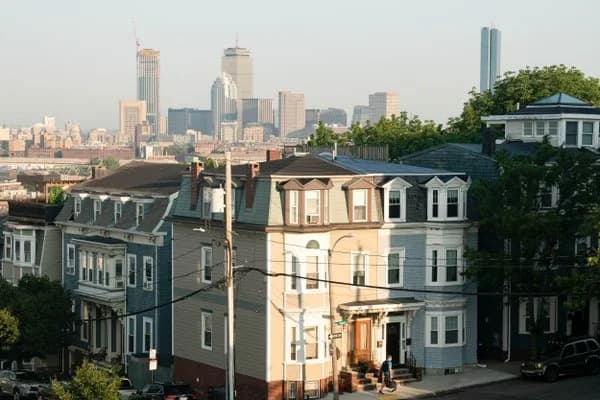
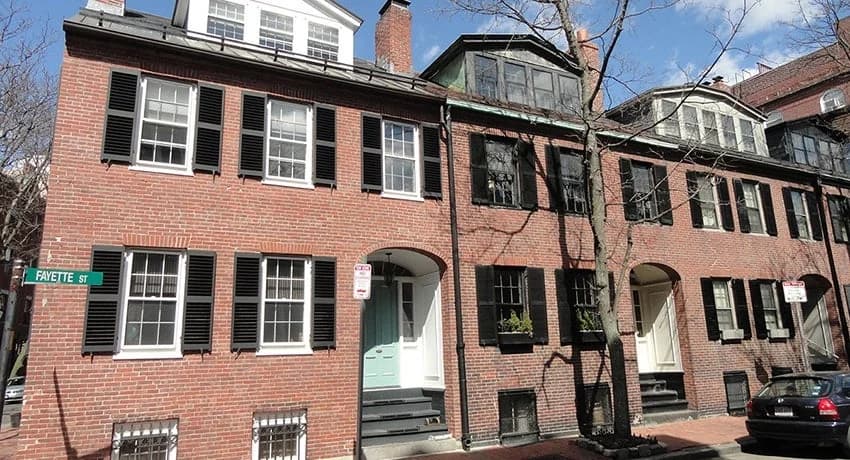
Most Beacon Hill homes are 19th-century brick row houses built in the Federal and Greek Revival styles. Many have been converted into condos, while others remain multi-level single-family townhomes. Lots are compact and narrow, so homes rise vertically. Outdoor space typically takes the form of small private patios, roof decks, or shared courtyards.
What Architectural Styles Will You Find in Beacon Hill?
Beacon Hill ranks among the best-preserved 19th-century residential neighborhoods in the country, and local historic district guidelines protect its appearance. You'll see three main styles:
•Federal: Early brick row houses with flat facades, fanlights above the front doors, delicate ironwork, and modest proportions. These cluster on the south slope, closer to Boston Common.
•Greek Revival: Slightly later homes featuring granite lintels, bold entry surrounds, bowed or bay fronts, and taller ceilings on the main parlor floor.
•Victorian and later infill: Scattered throughout, particularly on the north slope toward Cambridge Street, where converted apartment buildings and walk-ups are also more common.
Because of historic oversight, exterior changes usually require review. That includes windows, doors, paint colors, and roof decks visible from the street. I always raise this early with buyers planning renovations. It's very manageable, but it will shape your timeline and budget.
What Types of Homes Can Young Professionals Buy in Beacon Hill?
For most first-time and early-career buyers, a condo is the realistic entry point. Common options include:
•Studios and one-bedrooms in converted row houses and small walk-ups, often with original details such as fireplaces, crown molding, and wide-pine floors.
•Two-bedroom units, sometimes duplexes spanning two floors. These work well for roommates, couples, or anyone who needs a home office.
•Garden-level units with private patios. The outdoor space is a real asset, though natural light varies.
•Top-floor units with roof deck rights. They're highly sought after and priced accordingly.
Full townhomes, single-family brick homes rising four or five stories, sit at the top of the market. They rarely come up for sale.
What Should Buyers Know Before Purchasing a Beacon Hill Condo?
When I tour Beacon Hill condos with first-time buyers, the same practical questions surface again and again. Check these on every listing:
•Stairs. Many buildings are walk-ups. A fourth-floor unit without an elevator is a lifestyle decision, not just a detail on the listing sheet.
•Parking. Deeded parking is scarce and adds significant value. Most residents rely on resident permit street parking or go without a car entirely.
•Association health. Small, self-managed associations are common in converted buildings. Before you commit, review the reserves, the budget, and any upcoming capital projects, such as roof, masonry, or chimney work.
•Monthly fees. Condo fees vary widely depending on building size, amenities, and whether heat or hot water is included. Request the association budget so you know exactly what's covered.
•Storage and laundry. In-unit laundry is a premium feature in older buildings. Confirm it; don't assume it.
How Competitive Is the Beacon Hill Real Estate Market?
Inventory here is limited by design. The neighborhood is fully built out, shielded from large-scale redevelopment, and rarely sees new construction. Well-priced, well-maintained condos in desirable locations tend to draw strong interest. Units with compromises, such as low light, steep stairs, or weak association finances, usually need sharper pricing. The buyers who do best arrive with financing in place and a clear sense of which trade-offs they're willing to accept.
Where Do People Gather in Beacon Hill?
Daily life revolves around Charles Street, the neighborhood's main retail and dining corridor, along with Boston Common and the Public Garden on its borders. Landmarks like Acorn Street, Louisburg Square, and the Massachusetts State House anchor its identity.
What Is Charles Street Like in Beacon Hill?
Charles Street is Beacon Hill's main street, running from Boston Common down to Charles Circle. Along the way, you'll find:
•Coffee shops and bakeries. A weekday morning stop at Tatte Bakery & Cafe is practically a local ritual before heading to the T.
•Independent boutiques, including antique dealers, home goods stores, clothing shops, and gift shops.
•Neighborhood services like a long-standing local pharmacy, a small market, dry cleaners, and fitness studios.
•Bistros and taverns that double as after-work meeting spots.
For young professionals, Charles Street functions almost like a shared living room. You'll bump into neighbors, pick up takeout, and handle most errands on foot.
What Green Spaces Are Near Beacon Hill?
Few Boston neighborhoods can match Beacon Hill's access to green space:
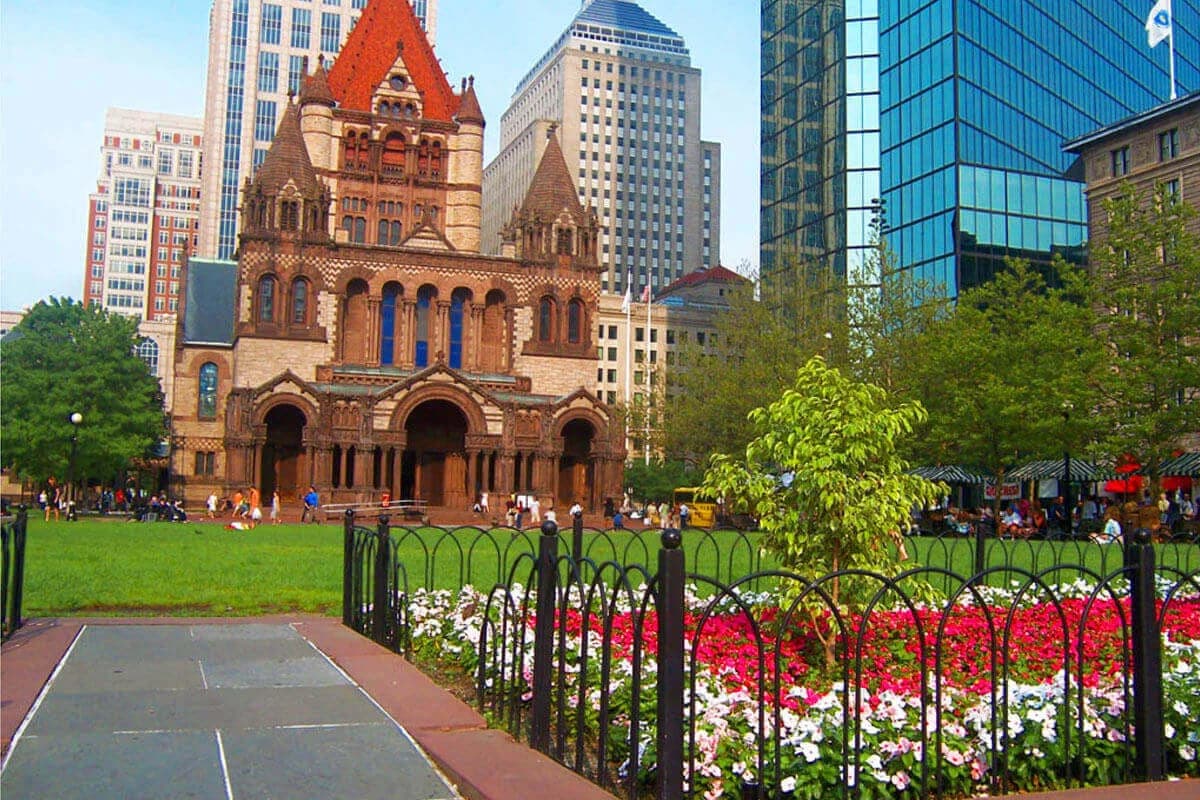
•Boston Common lines the southern edge. It's the go-to spot for morning runs, winter skating at Frog Pond, summer concerts, and weekend picnics.
•The Public Garden sits just across Charles Street, with formal gardens, a lagoon, and the Swan Boats in warmer months.
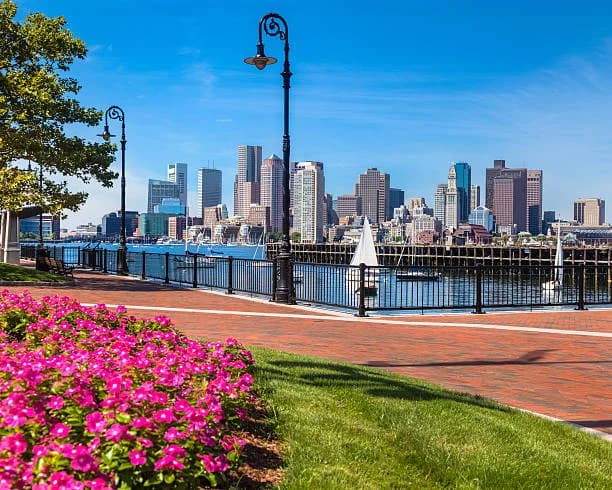
•The Charles River Esplanade is a short walk west over the footbridges. Its riverside paths are a favorite for running, biking, and sunset strolls.
As of November, the Common and Public Garden settle into their quieter fall season. The leaves are turning, and Frog Pond is typically gearing up for winter skating. It's one of the best times of year to tour homes here.
What Are the Most Iconic Landmarks in Beacon Hill?
•Acorn Street: A narrow cobblestone lane and one of the most photographed streets in America.
•Louisburg Square: A private, gated green ringed by grand Greek Revival townhomes, home to some of Boston's most prestigious addresses.
•The Massachusetts State House: Its gold dome crowns the hill and serves as a constant landmark.
•The Black Heritage Trail and the Museum of African American History: Both honor the north slope's deep history as the center of Boston's 19th-century Black community and the abolitionist movement.
How Is the Commute from Beacon Hill to Downtown Boston and Cambridge?
Beacon Hill offers one of the easiest commutes in Greater Boston. Most residents can walk to the Financial District, Downtown Crossing, and Government Center, while the Red Line from Charles/MGH crosses the river straight into Kendall Square and Cambridge. Many residents don't own a car at all.
Which MBTA Stations Serve Beacon Hill?
Three major stations surround the neighborhood:
•Charles/MGH (Red Line): At the foot of Charles Street near Mass General. From here, the Red Line crosses the Longfellow Bridge to Kendall/MIT, then continues to Central, Harvard, and beyond. If you work in Cambridge's biotech and tech corridor, this is your stop.
•Park Street (Red and Green Lines): At the corner of Boston Common. The Green Line runs to Back Bay, the Longwood Medical Area, and Boston University, while the Red Line runs in both directions, including to South Station.
•Government Center (Green and Blue Lines): Just off the neighborhood's eastern edge. The Blue Line offers direct service toward Logan Airport and East Boston.
Bowdoin station, also on the Blue Line, sits on the eastern edge as well, though its hours have historically been more limited than the others'.
How Walkable Is Beacon Hill?
Beacon Hill consistently ranks among Boston's most walkable neighborhoods. Typical walking commutes include:
•Financial District and Downtown Crossing: An easy walk across or around Boston Common.
•Government Center and City Hall: Just minutes on foot.
•Mass General Hospital: Right at the northwest edge of the neighborhood, which has long made Beacon Hill a favorite among medical professionals.
•Back Bay: A pleasant walk through the Public Garden.
The hills and brick sidewalks will keep you honest. Good shoes and some winter traction gear make a real difference from December through March.
Is Beacon Hill Good for Commuters to Kendall Square and Cambridge?
Absolutely. It's one of the best options on the Boston side of the river. Kendall/MIT is just one stop from Charles/MGH on the Red Line, and on nice days many residents bike or walk across the Longfellow Bridge instead. Buyers who work in Cambridge often compare Beacon Hill with Cambridge itself. Beacon Hill generally offers more historic character and a more central Boston base. Cambridge, in some areas, offers more space for the money.
Is It Practical to Own a Car in Beacon Hill?
It's possible, but it takes commitment. Street parking is permit-based and competitive, deeded spaces are rare and expensive, and nearby garage rentals add a steady monthly cost. Most young professionals I work with here get around by T, on foot, by bike share, or by rideshare. They keep a car only if their job or weekend travel truly requires one. If parking is non-negotiable, make it part of your search criteria from day one, because it narrows the field considerably.
Is Beacon Hill the Right Neighborhood for You?
If you value walkability, historic architecture, and a central location more than square footage and modern amenities, Beacon Hill is one of the most rewarding places to live in Boston. The trade-offs are real: older buildings, plenty of stairs, tight parking, and limited inventory. But for young professionals who want to step out onto a gas-lit brick street and walk to work, few neighborhoods compare.
My advice to first-time buyers here never changes. Line up your financing early. Tour in person instead of relying on photos. And dig into the condo association's finances before you fall in love with the fireplace. Beacon Hill rewards buyers who come prepared.