Living in Dorchester: Boston’s Urban-Village Neighborhood for Young Professionals
Explore Dorchester’s urban-village vibe: median age 36.5, median sold $602,500, 15 DOM, Red Line + Fairmount Line access, triple-decker condos.
Written ByAndrew Goldberg
PublishedJanuary 27, 2026
UpdatedFebruary 24, 2026
I'm Andrew Goldberg, a Boston real estate advisor specializing in first-time buyers across Greater Boston. I guide you A to Z—from first search to closing day. Serving Boston, Brookline, Cambridge, Medford, Somerville and Newton, MA.
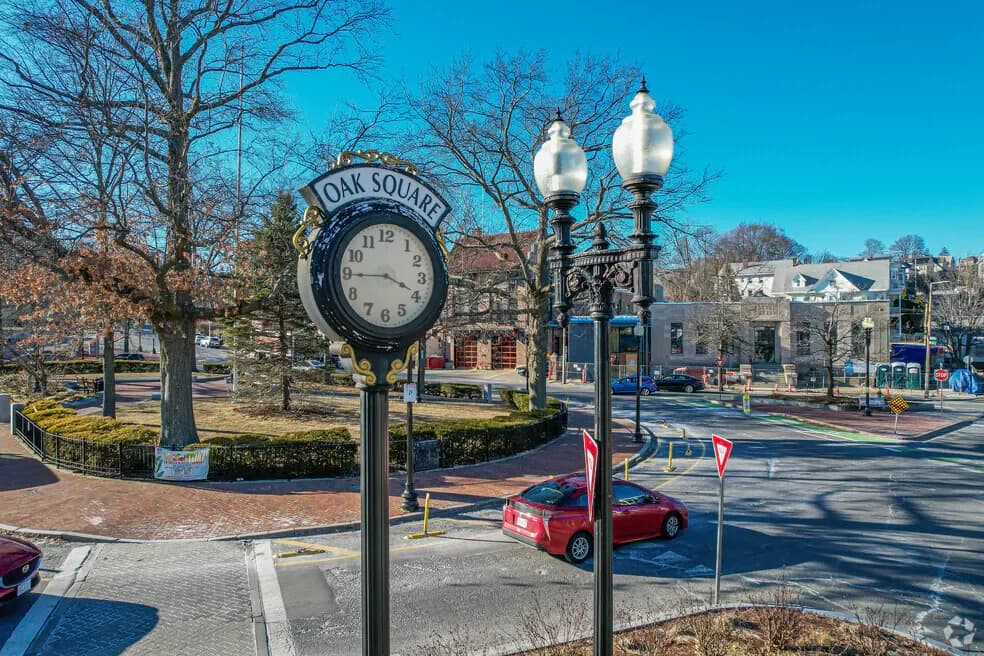
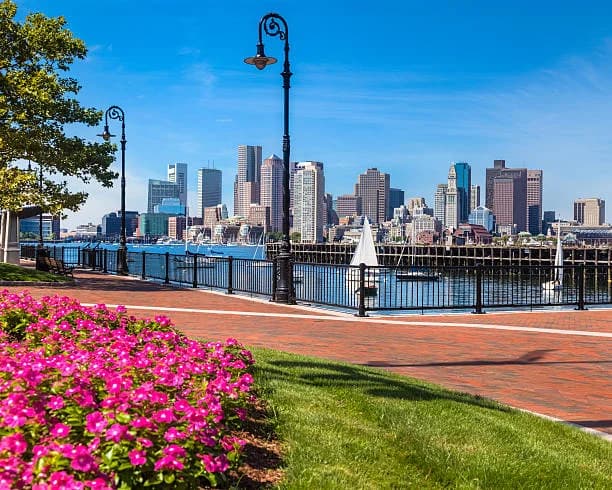
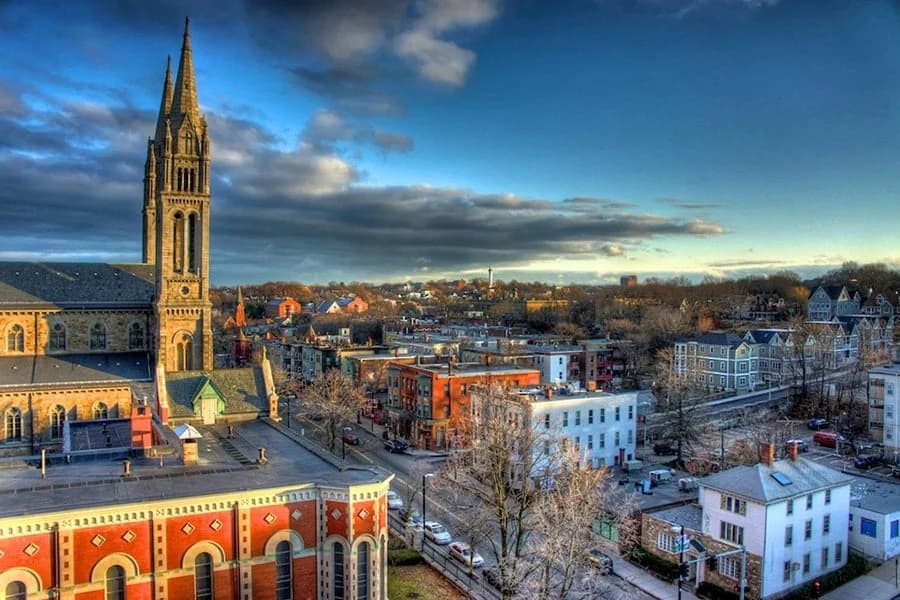
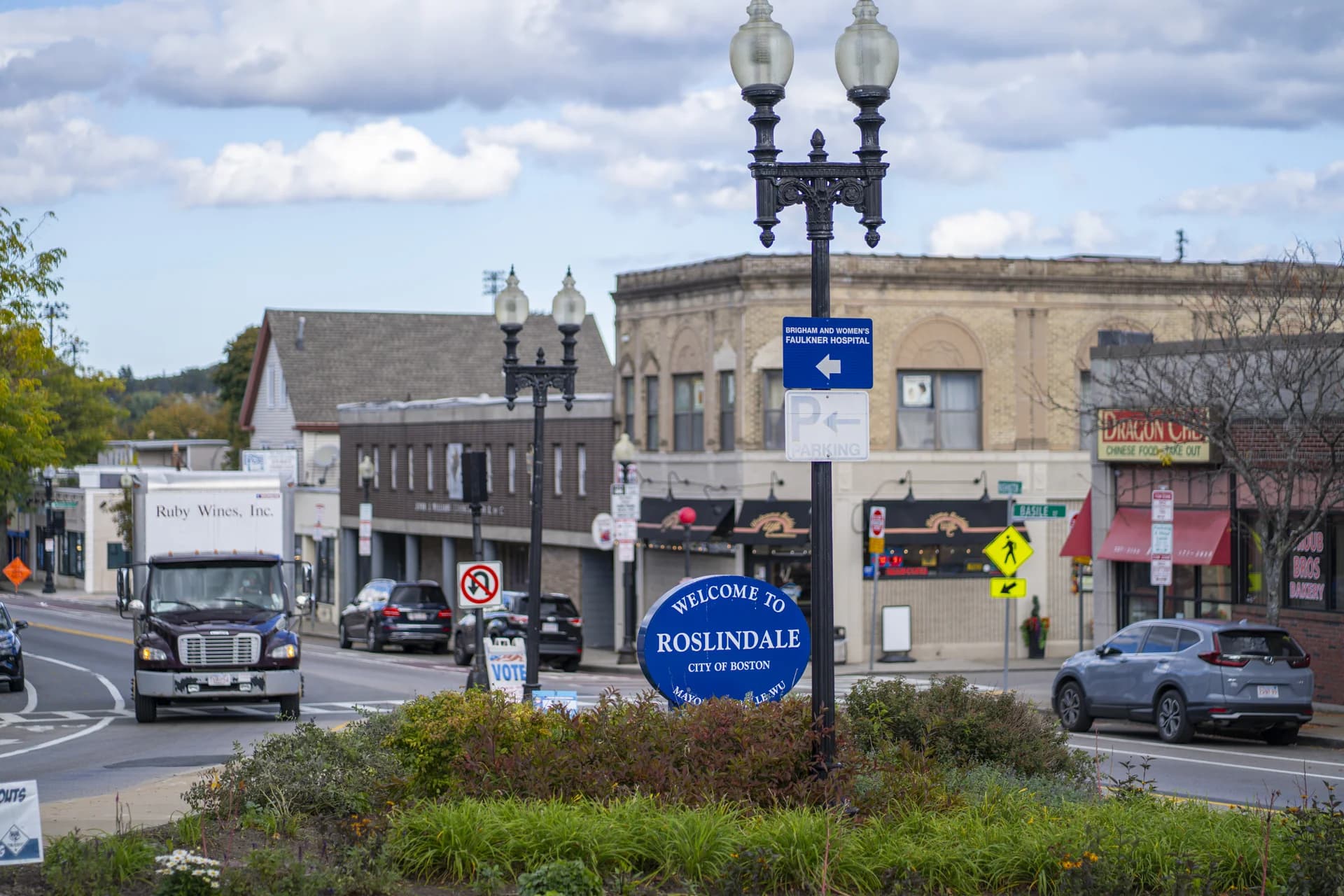
Dorchester offers something rare in Boston: urban energy without the compromise. It's a neighborhood where historic charm meets a rapidly evolving social scene, where you can find space to breathe without giving up city access. As Boston's largest and most diverse neighborhood, it doesn't feel like one monolithic district. Instead, it's a collection of distinct villages, each with its own character and rhythm.
What is the vibe like for young professionals living in Dorchester?
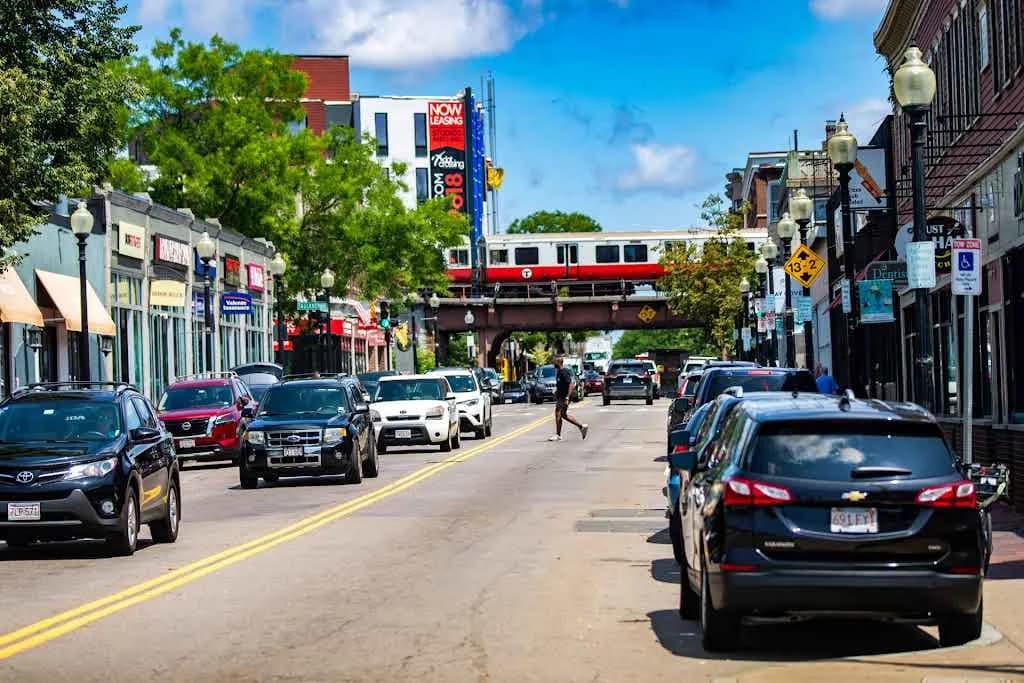
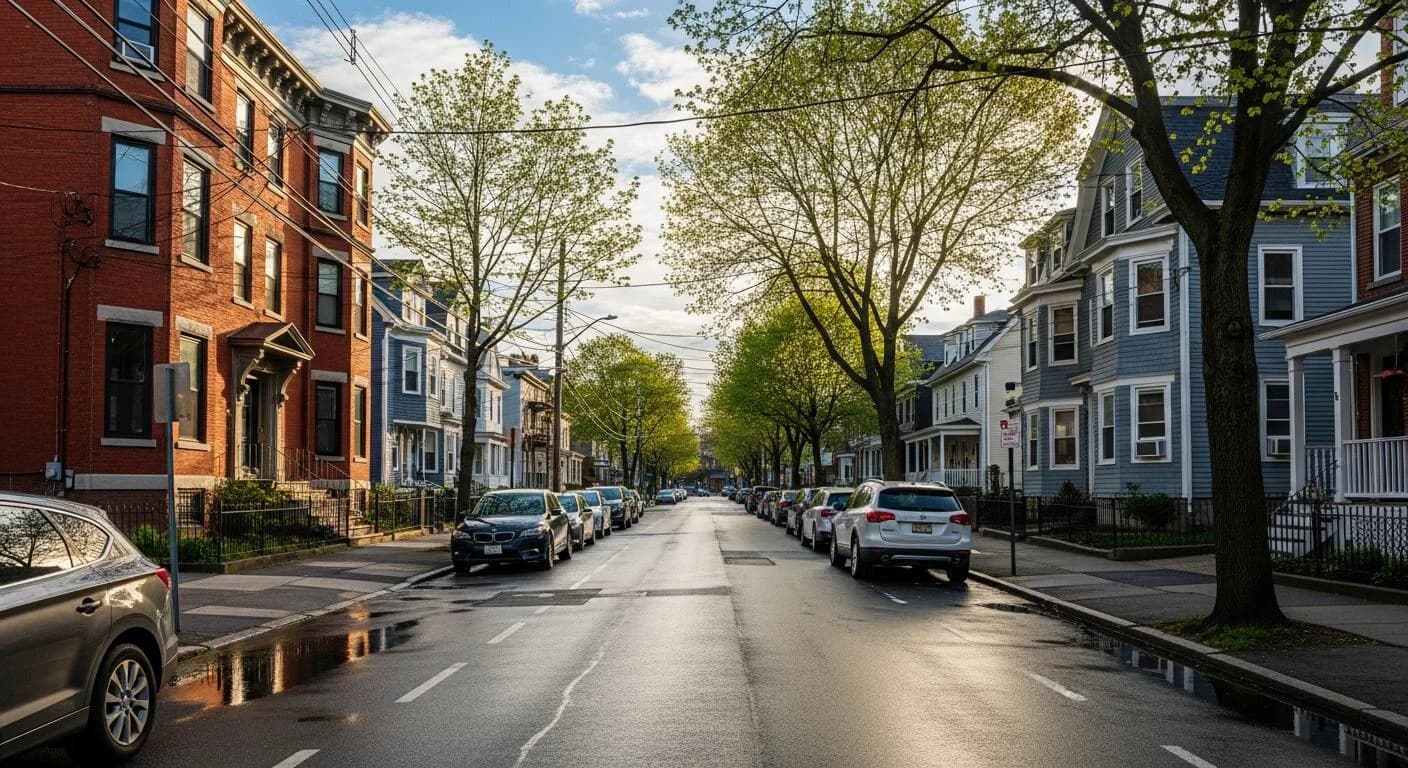
The energy here is palpable. Culturally rich and community-focused, Dorchester delivers an authentic city experience that feels refreshingly grounded compared to the glass towers downtown. Young professionals are drawn to the "urban village" atmosphere—neighborhoods where you actually know your neighbors, yet you're still steps from the Red Line and a thriving nightlife scene.
The demographic shift is notable. With a median age of 36.5, significantly lower than the state median of 40.1, Dorchester is trending younger. That shift is fueling a surge in local amenities: co-working spaces, craft breweries, and independent restaurants. Clients moving here from Cambridge or Somerville consistently mention the sense of community. This is a place where residents are genuinely engaged in civic life.
The market reflects this appeal. Homes move quickly because the value proposition is compelling.
Dorchester Market Snapshot (Aug 2025) — Pricing, Speed, and Inventory
Hero card for young professionals: quick read on affordability and competitiveness in Dorchester with mixed-unit KPIs (price, DOM, ratio, inventory).
With a median sold price of $602,500 and properties spending just 15 days on the market, competition is fierce. But compared to other Boston neighborhoods, the entry price remains accessible.
What kind of condos and homes can I buy in Dorchester?
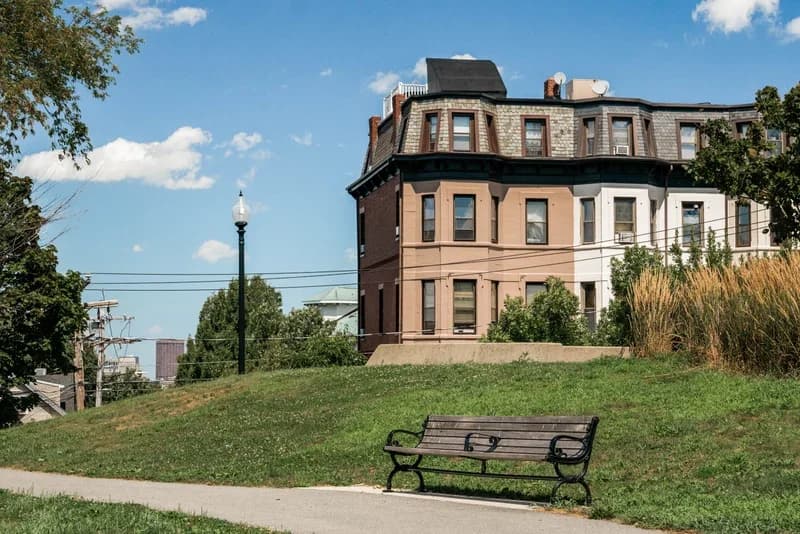
The Boston Triple-Decker defines Dorchester's architectural identity. For condo buyers, these converted units are the gold standard. Unlike the compact brownstone apartments in Back Bay, a triple-decker unit typically offers over 1,000 square feet of living space, front and rear decks, and shared yard access.
Near transit hubs like JFK/UMass and Ashmont, luxury mid-rise developments are emerging, catering to buyers who prefer new construction with modern amenities. Still, the classic Victorian housing stock remains the primary draw. At a median price per square foot of $517, buyers get considerably more space for their investment than in neighboring South Boston.
Dorchester's tenure mix is worth noting.
Dorchester Housing Occupancy Mix (Owner vs Renter)
Shows the renter-heavy profile of Dorchester—useful for young professionals comparing rent vs. buy dynamics. Percentages sum to 100%.
TOTAL
Renter-occupied share
61.3%
Owner-occupied share
38.7%
Shows the renter-heavy profile of Dorchester—useful for young professionals comparing rent vs. buy dynamics. Percentages sum to 100%.
With 61.3% of units renter-occupied, the neighborhood maintains a fluid, mobile energy. For buyers, this creates an opportunity: purchasing a multi-family home and "house hacking"—living in one unit while renting the others—is a particularly viable strategy here.
Where are the best neighborhoods and hangouts in Dorchester?
Dorchester is massive. Knowing where to look makes all the difference. Young professionals tend to cluster in specific hubs that offer walkability and vibrant social scenes.
•Savin Hill: This area feels like a coastal village tucked within the city. Yacht clubs, beaches, skyline views. Residents often grab dinner at dbar , which transitions seamlessly from restaurant to lively nightlife spot.
•Adams Village: Dense with Irish pubs and newer restaurants, this is a social anchor for the neighborhood.
•Ashmont/Peabody Square: A historic and architectural gem. The ideal Saturday might start with coffee at home.stead bakery & cafe before wandering over to the Ashmont Farmers Market.
•Franklin Park: The "crown jewel" of the Emerald Necklace provides expansive green space for runners, cyclists, and anyone needing a break from concrete and asphalt.
How easy is the commute from Dorchester to Downtown Boston?
For professionals working in the Financial District or Downtown Crossing, Dorchester offers some of the most strategic transit access in the city. The Red Line serves as the primary artery, with key stops at JFK/UMass, Savin Hill, Fields Corner, Shawmut, and Ashmont providing direct access to South Station and Cambridge.
The Commuter Rail's Fairmount Line is an underutilized asset. It offers a rapid 15-minute ride from neighborhoods like Upham's Corner directly to South Station. Drivers have direct access to I-93, allowing efficient travel north or south, though peak-hour traffic remains a consideration.
Infrastructure investment is actively improving the commuter experience.
$37 millionCost
Back Bay Station Concourse Improvements (2025–2027)
Major transit hub upgrade with a clearly stated budget and timeframe—high relevance for an urban, commuter-focused audience.
Funding sourcelease agreement with a private development partner, Boston Properties
Timeframekicked off in 2025 and will continue until 2027
Scope of workupdated systems, lighting, improved flooring, improved station entrances, bike cage, signage, retail spaces, refinishing of the arches and glass block walls, and fare gate arrays
Major upgrades are underway at key hubs, including a $37 million investment in Back Bay Station improvements that benefits the broader commuter rail network many Dorchester residents rely on.
Active transportation is also a priority. The city is advancing projects to make biking and walking safer and more viable for daily commutes.
Boston Region MPO Active-Transportation Projects — Cost vs Score (2025 list)
Compares project investment (cost) to MPO score for bike/pedestrian and transit-access upgrades—helpful for an urban, mobility-first lens.
Chelsea/Everett — Vine St & Third St to MBTA Station (613585)
Cambridge — Danehy Park Connector Bridge & Shared-Use Path (613568)
Concord — Assabet River Multi-Use Trail & Bridge (612870)
MBTA — Bus Priority & Accessibility Improvements (S13153)
MBTA — Catamaran Overhaul (S13200)
Compares project investment (cost) to MPO score for bike/pedestrian and transit-access upgrades—helpful for an urban, mobility-first lens.
Series
Label
Value
Chelsea/Everett — Vine St & Third St to MBTA Station (613585)
Project Cost
$13,119,298
Chelsea/Everett — Vine St & Third St to MBTA Station (613585)
Score
67.1
Cambridge — Danehy Park Connector Bridge & Shared-Use Path (613568)
Project Cost
$18,238,535
Cambridge — Danehy Park Connector Bridge & Shared-Use Path (613568)
Score
81
Concord — Assabet River Multi-Use Trail & Bridge (612870)
Project Cost
$9,604,800
Concord — Assabet River Multi-Use Trail & Bridge (612870)
Score
55.9
MBTA — Bus Priority & Accessibility Improvements (S13153)
Project Cost
$1,000,000
MBTA — Bus Priority & Accessibility Improvements (S13153)
Projects like the $13.1 million reconstruction in Chelsea/Everett and various multi-use path extensions are making the region increasingly interconnected for those who prefer a car-free lifestyle.
Is Dorchester in Boston, MA a good place for young professionals who want a community feel?
Dorchester in Boston, MA is high-energy, culturally rich, and community-focused, with an “urban village” feel across multiple distinct areas rather than one single district. The neighborhood is trending younger, with a median age of 36.5, and that shift is driving more local amenities such as co-working spaces and craft breweries.
What types of condos and homes are most common in Dorchester, Boston, MA?
Dorchester’s signature housing type is the Boston triple-decker, and many condos come from converted triple-deckers that often offer 1,000+ square feet, front and rear decks, and shared yard space. Luxury mid-rise developments are also rising near transit hubs like JFK/UMass and Ashmont, while classic Victorian housing stock remains a major draw.
Are townhomes or larger-size condos easier to find in Dorchester, Boston, MA than in other Boston neighborhoods?
Converted triple-decker condos in Dorchester, Boston, MA commonly deliver more living space—often 1,000+ square feet—than smaller brownstone units found in neighborhoods like Back Bay. With a median price per square foot of $517, buyers generally get more volume for their investment than in neighboring South Boston.
How competitive is the Dorchester housing market in Boston, MA right now?
Dorchester’s market moves quickly, with homes spending a median of 15 days on the market. The median sold price is $602,500, and demand is driven by the neighborhood’s space-and-transit value proposition.
How renter-heavy is Dorchester, Boston, MA, and what does that mean for buyers?
Dorchester has a high share of renter-occupied housing, with 61.3% of units renter-occupied. For buyers, this mix can make multi-family purchasing and “house hacking” (living in one unit and renting the others) a viable strategy in the neighborhood.
How easy is the commute from Dorchester, Boston, MA to Downtown and the Financial District?
Dorchester offers strategic transit access via the Red Line, with stops including JFK/UMass, Savin Hill, Fields Corner, Shawmut, and Ashmont providing direct access to South Station and Cambridge. The Commuter Rail’s Fairmount Line can provide a rapid 15-minute ride from areas like Upham’s Corner to South Station, and I-93 offers direct driving access (with peak-hour traffic as a factor).
What are the best Dorchester, Boston, MA areas for walkability, weekend activities, and green space?
Savin Hill has a coastal-village feel with beaches and skyline views, and it’s common to see residents out at spots like dbar. Ashmont/Peabody Square is known for its historic character, with routines like coffee at home.stead bakery & cafe and trips to the Ashmont Farmers Market, while Franklin Park offers massive green space as the “crown jewel” of the Emerald Necklace.