Back Bay Boston: The Essential Guide for Young Professionals (Vibe, Condos, Commute)
Back Bay’s polished, high-energy vibe: $857K median, luxury condos $1M–$6M, ~32 DOM, HOA ~$425+ and 8.6% annual growth. Orange/Green Line hub.
Written ByAndrew Goldberg
PublishedJanuary 26, 2026
UpdatedFebruary 24, 2026
I'm Andrew Goldberg, a Boston real estate advisor specializing in first-time buyers across Greater Boston. I guide you A to Z—from first search to closing day. Serving Boston, Brookline, Cambridge, Medford, Somerville and Newton, MA.
What is the vibe like for young professionals living in Back Bay?
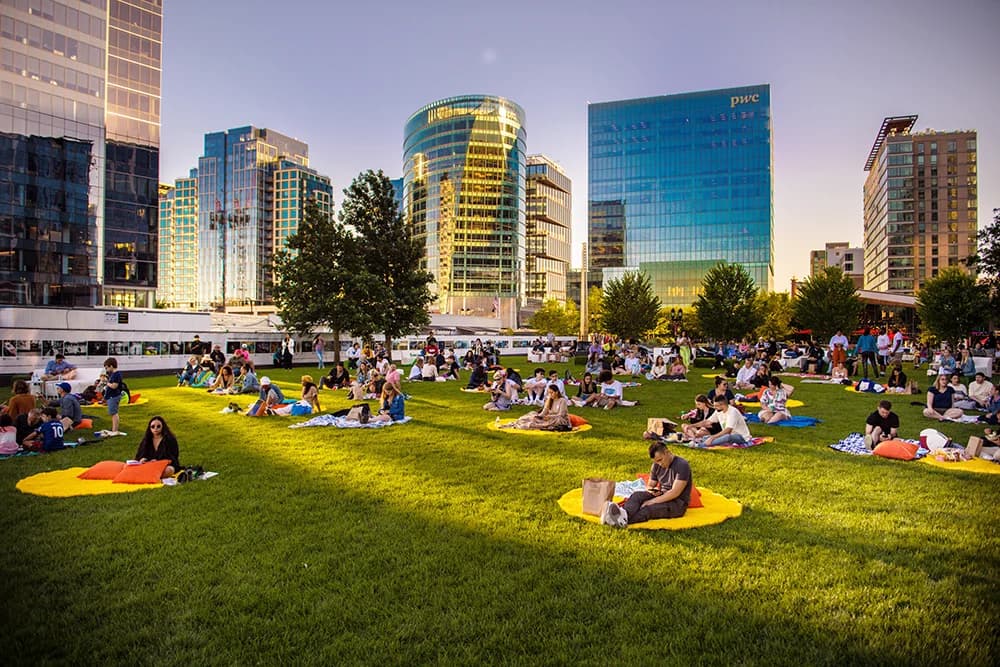
Back Bay delivers a sophisticated, high-energy atmosphere that defines what "downtown" means for many young professionals. The pace is fast, the surroundings polished. You're not just near the action—you're at its center.
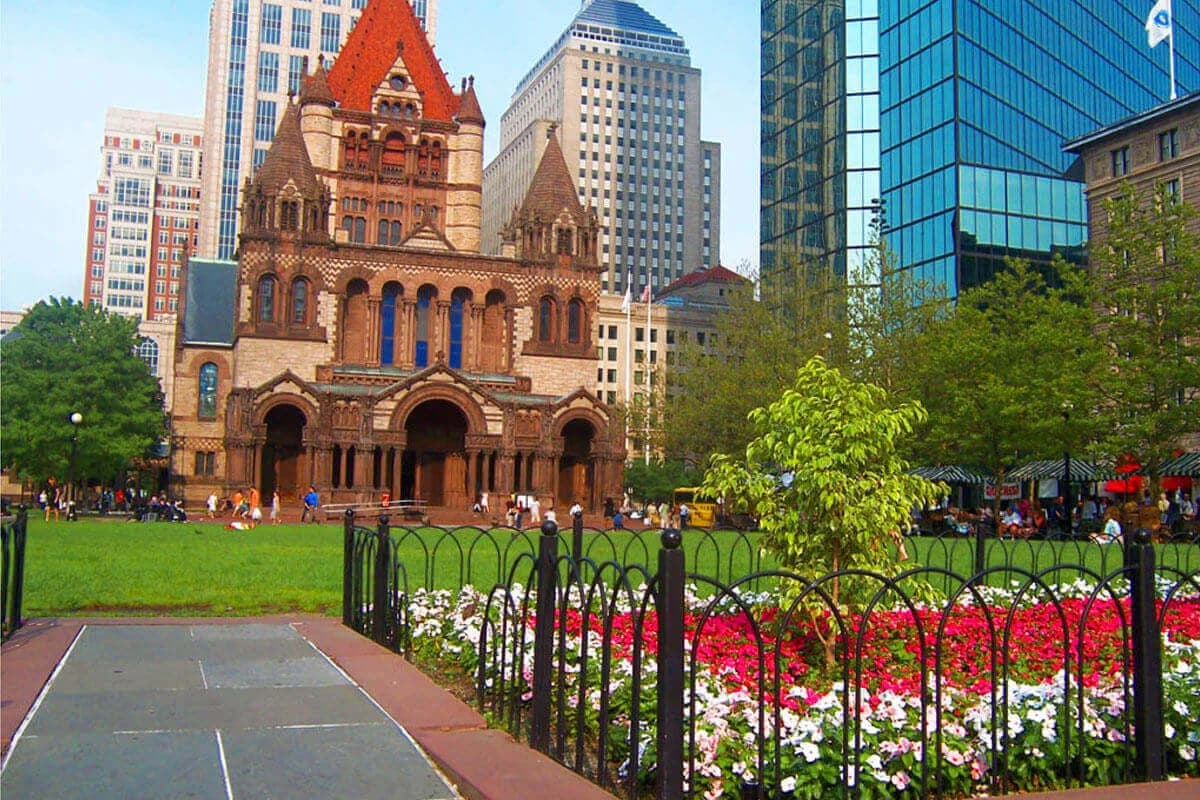
What makes this neighborhood distinctive is how it balances historic elegance with modern commercial energy. Residents move effortlessly between high-end boutiques on Newbury Street and the corporate towers near the Prudential Center. It's a neighborhood with two personalities, and both work beautifully.
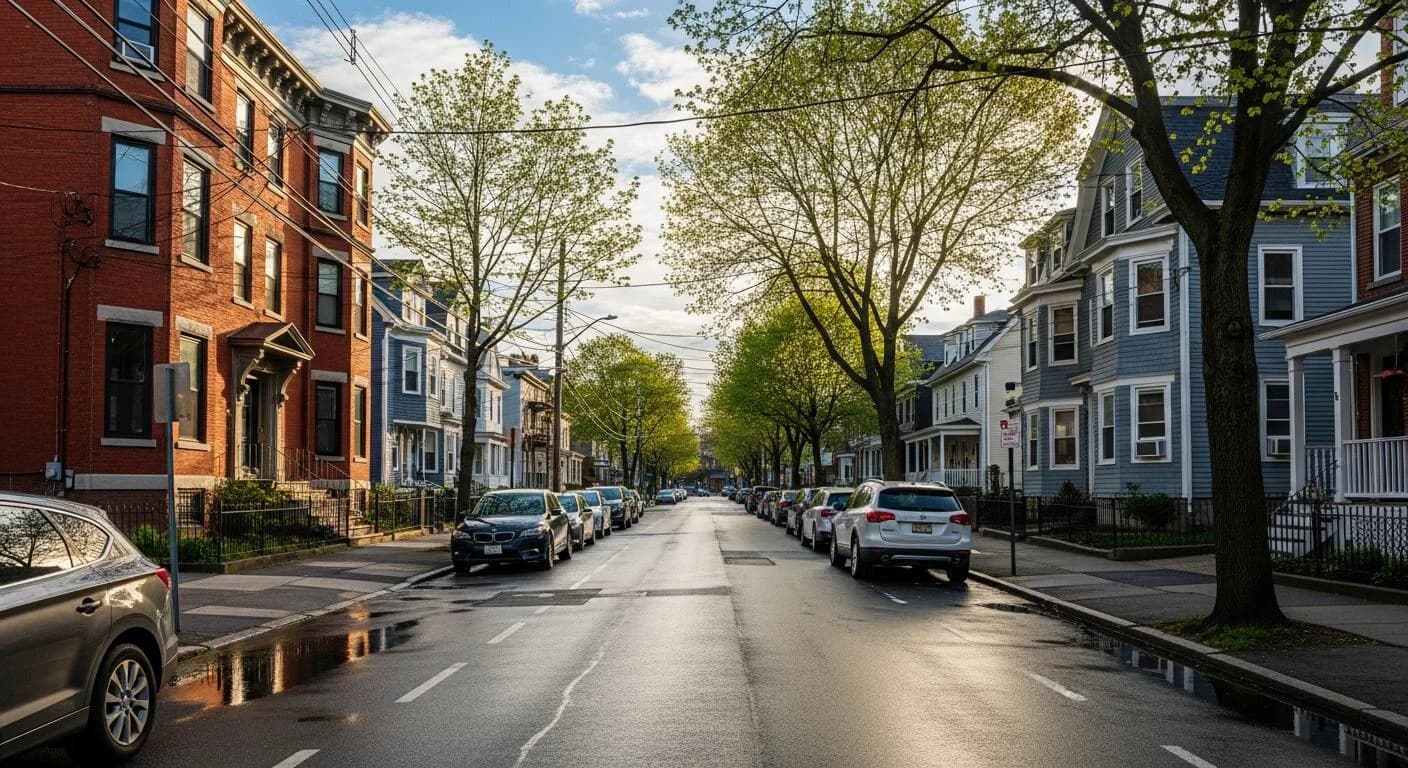
When I walk clients through the area, they always notice the contrast. Commonwealth Avenue unfolds like a grand European boulevard, its massive tree canopy creating a quiet, stately corridor. One block over, Boylston Street pulses with metropolitan energy. The vibe is lively, not chaotic. Nights feel polished rather than rowdy—perfect for professionals who want excitement without the edge.
The real estate market mirrors that desirability. It moves quickly and demands decisiveness from buyers.
Boston Market Snapshot (Q1 2026) — Price, Speed, Conditions
Hero-card overview for young professionals: the core headline numbers in one place (mixed units: price, days, and qualitative market condition).
With a median home price of $857,000 and luxury condos ranging from $1 million to $6 million, the barrier to entry is steep. But the investment secures a place in one of the nation's most resilient neighborhoods.
What types of condos and brownstones are available in Back Bay?
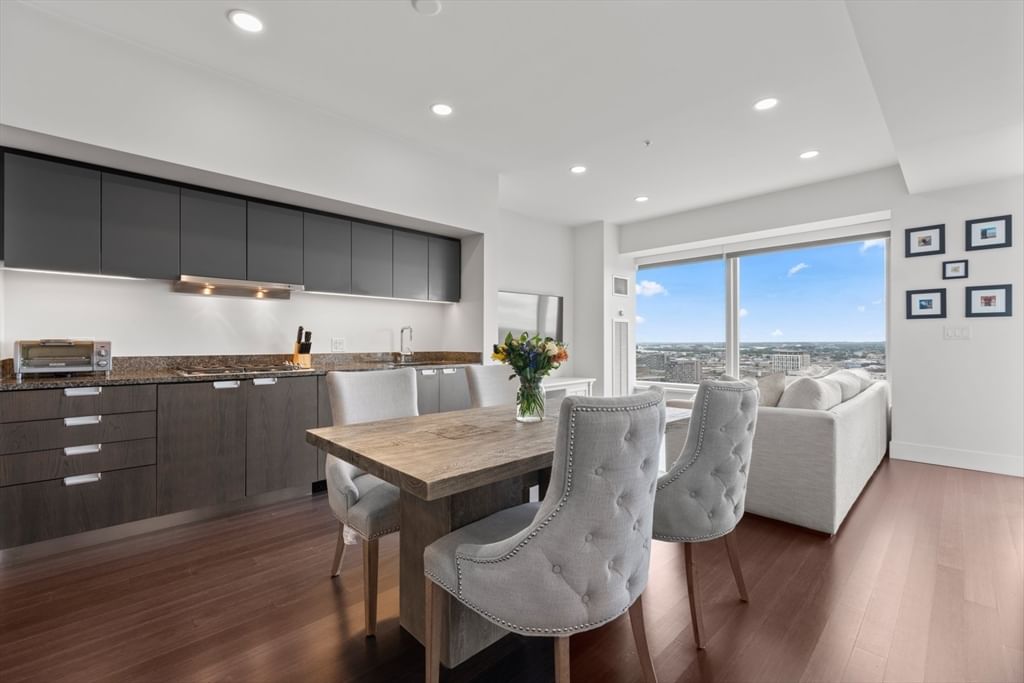
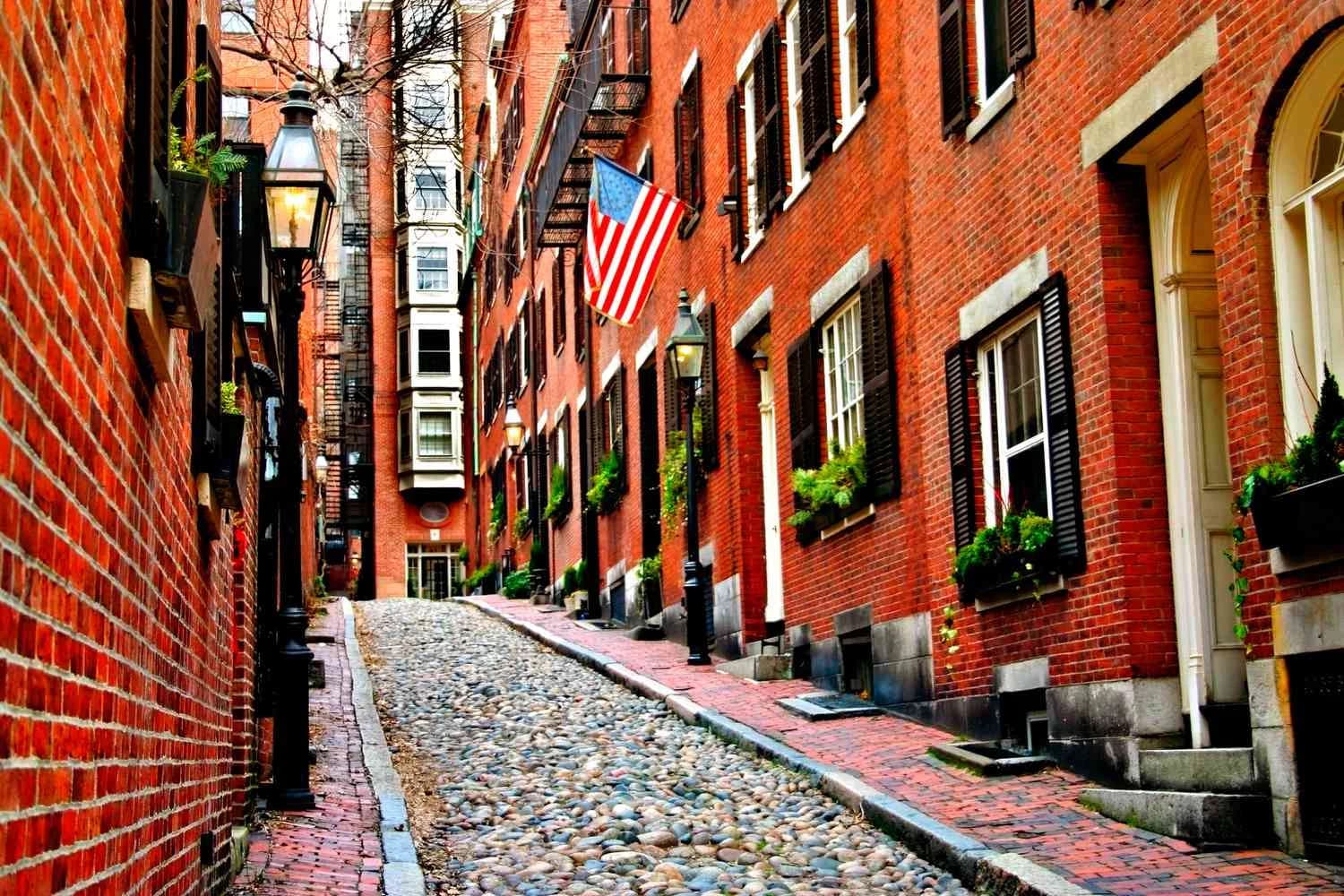
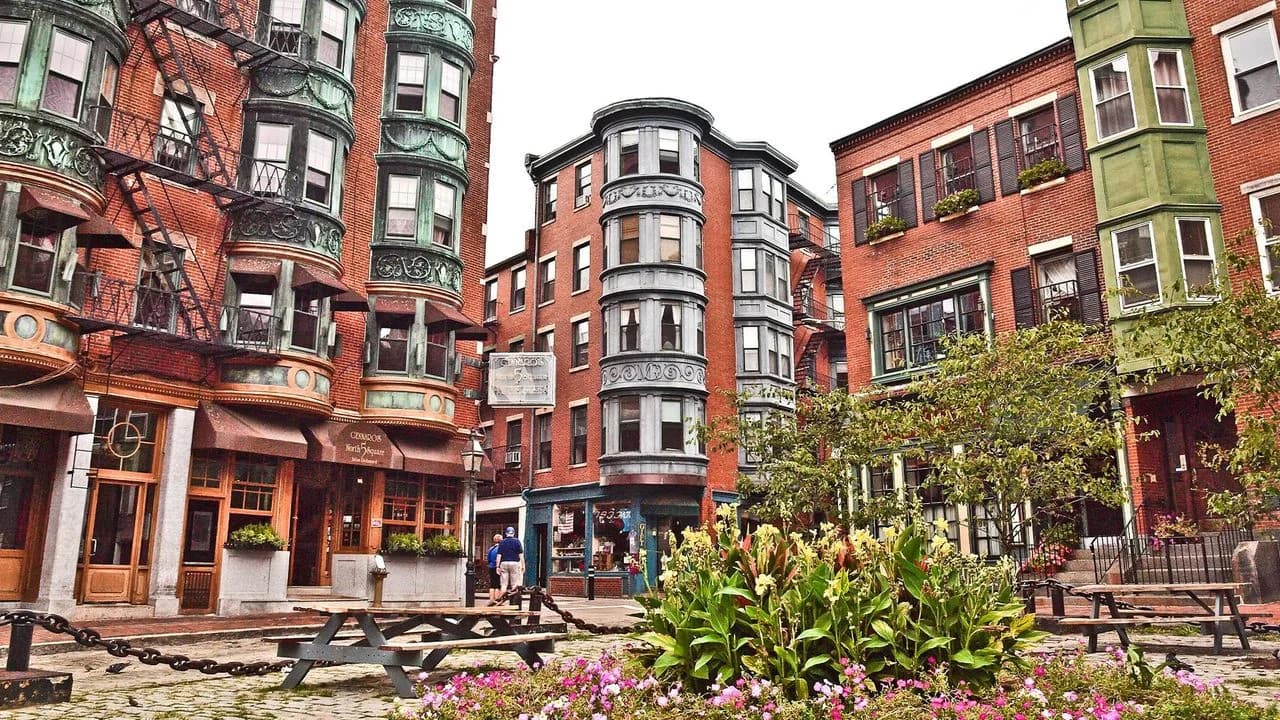
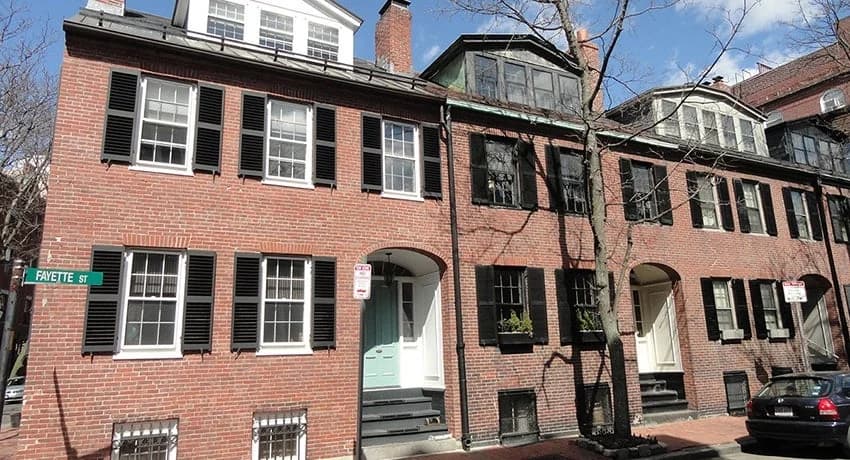
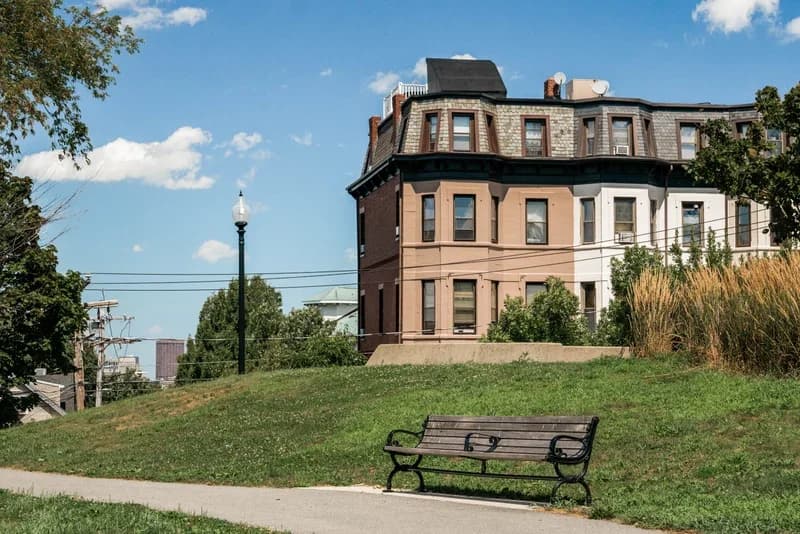
Back Bay's real estate landscape is shaped by architectural preservation and vertical ambition. The classic Back Bay home is a floor-through condo in a Victorian brownstone—high ceilings, original fireplaces, bay windows overlooking tree-lined streets. For those wanting full-service amenities, the neighborhood also offers some of Boston's most exclusive luxury high-rises near Copley and the Prudential Center.
Inventory is tight and getting tighter. We've seen it dip 4.3% year-over-year, which means well-priced homes don't sit around.
How Fast Homes Move: Average Days on Market (Boston vs Worcester vs Statewide)
Quick-read competitiveness comparison using the same unit (days). Highlights Boston’s faster pace versus the statewide average.
Quick-read competitiveness comparison using the same unit (days). Highlights Boston’s faster pace versus the statewide average.
Homes in the Boston area move fast—averaging 32 days on market compared to the statewide average of 56 days. For my clients, this means having financing and strategy locked down before we even walk into an open house.
What should buyers expect regarding HOA fees in Back Bay?
Monthly carrying costs deserve careful attention in Back Bay, particularly HOA fees. Many buildings here are either historic or offer extensive luxury services—concierge, elevators, fitness centers. The fees reflect that.
Boston HOA Fees vs Other Major Metros (Mean Monthly, $)
Puts Boston’s typical monthly HOA cost in context versus peer big-city markets—helpful for young professionals comparing relocation or long-term ownership costs.
Puts Boston’s typical monthly HOA cost in context versus peer big-city markets—helpful for young professionals comparing relocation or long-term ownership costs.
While the average Boston HOA fee sits around $425, luxury buildings in Back Bay often command significantly higher rates. But the monthly number is only part of the story. Buyers need to budget for future increases. In older brownstones, capital improvements for masonry or roof work are inevitable. In luxury towers, service costs climb.
Boston Condo Fee Increases by Neighborhood (Annual %)
Neighborhood-to-neighborhood comparison of reported annual condo (HOA) fee increases—useful for budgeting in dense, amenity-rich areas.
Neighborhood-to-neighborhood comparison of reported annual condo (HOA) fee increases—useful for budgeting in dense, amenity-rich areas.
Back Bay experiences some of the highest fee growth in the city—an average annual increase of 8.6% compared to the citywide average of 3.2%. When evaluating a property, we scrutinize the condo reserve funds to ensure you're not walking into a surprise assessment down the line.
Where do Back Bay residents gather and socialize?
Despite being a major commercial hub, Back Bay has a genuine neighborhood culture. Residents don't just hit the tourist spots—they weave the area's landmarks into their daily routines. Copley Square Park serves as a central meeting point for lunch breaks or coffee. The Boston Public Library has become a favorite quiet haven for remote workers seeking a change of scenery.
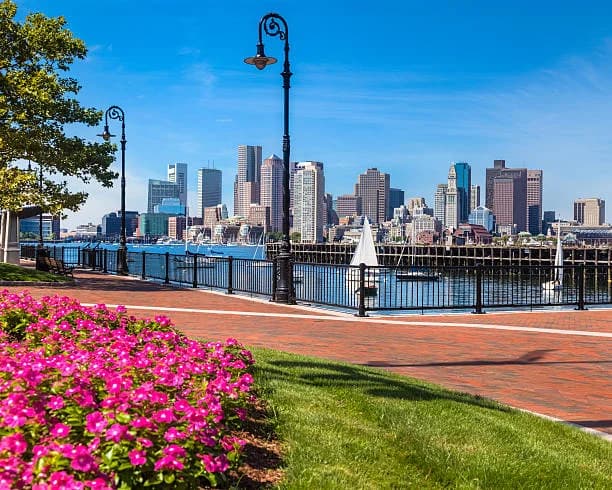
For active professionals, the Charles River Esplanade functions as the neighborhood's backyard—a critical escape from urban density, offering scenic river paths for running and cycling.
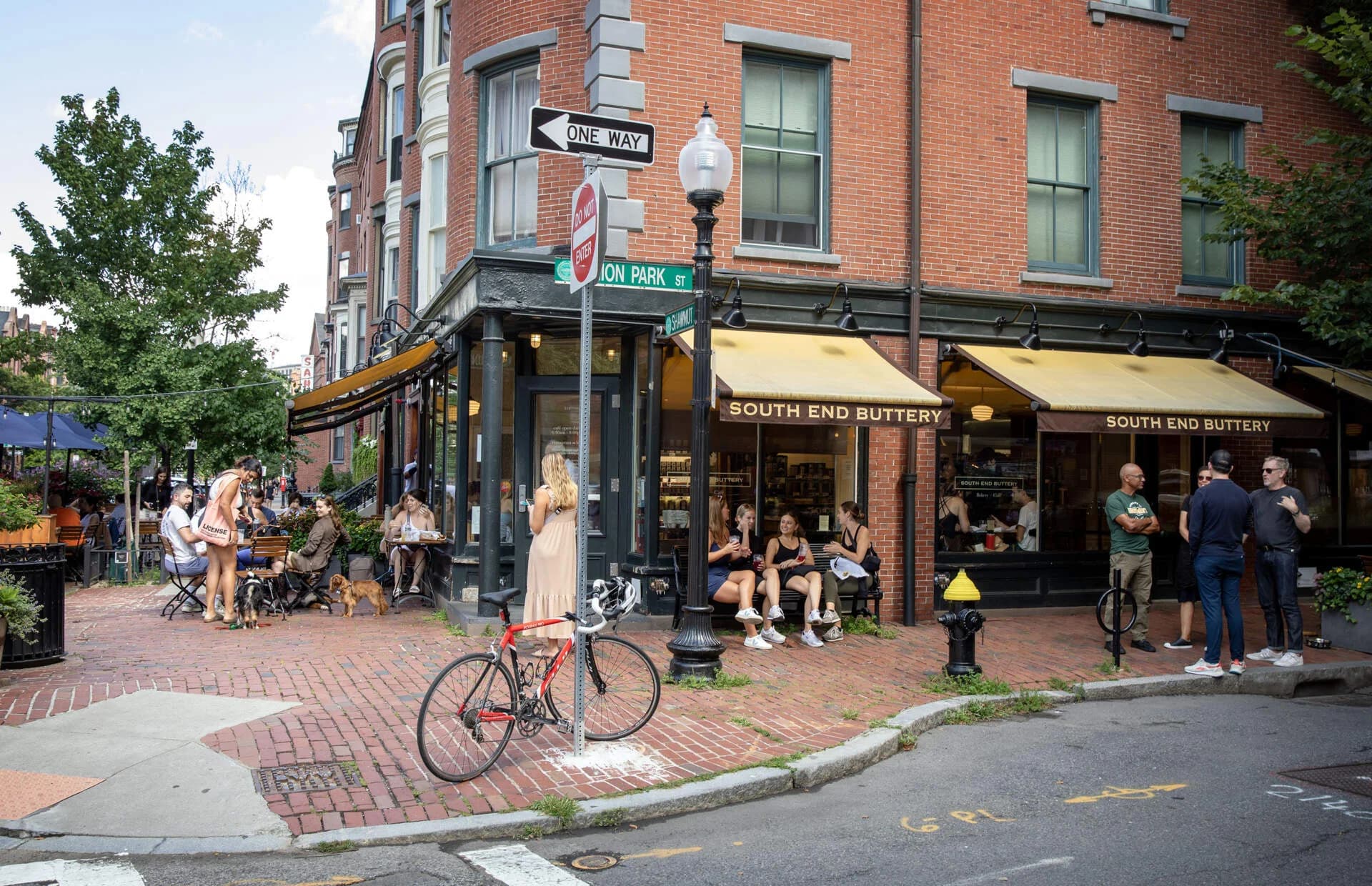
The dining and retail scene blends trendy boutiques with established staples. New energy constantly enters the market, like the recent opening of Swingers Back Bay at 777 Boylston. Whether you're grabbing a quick pastry at Flour Bakery + Cafe or meeting colleagues for drinks, the neighborhood offers a walkable, human-scale experience that makes city living feel effortless.
How easy is the commute from Back Bay to the rest of Boston?
For commuters, Back Bay might be the most convenient neighborhood in Boston. It's a genuine transit hub. Back Bay Station serves the MBTA Orange Line, the Commuter Rail, and Amtrak, making it simple to reach the Financial District or travel down the East Coast. The Green Line runs along Boylston Street, providing easy access to Cambridge and the western suburbs.
If you drive, though, prepare for the cost. Monthly garage parking typically runs $350 to $600+, with reserved spots pushing closer to $700. Street parking is notoriously difficult.
The city is also investing in pedestrian and cycling infrastructure.
Boylston Street (Back Bay) — Complete Streets Improvements (Project 606453)
Infrastructure is explicitly mentioned; this project card summarizes the scope aimed at better walking/biking/transit reliability in a key Back Bay corridor.
Project ID606453
Project NameBoston–Improvements on Boylston Street
ProgramComplete Streets
Year2025
Project DescriptionImprove the roadway cross section, signals, and bicycle and pedestrian accommodations in the project corridor.
Ongoing improvements on Boylston Street (Project 606453) are designed to enhance safety and reliability for cyclists and pedestrians. This aligns with the neighborhood's shift toward active mobility, making it easier for residents to move around without depending on a car.
Is Back Bay in Boston, MA a good fit for young professionals who want a polished city lifestyle?
Back Bay offers a sophisticated, high-energy atmosphere that many young professionals consider Boston’s definitive “downtown” experience. The neighborhood blends historic charm with modern commercial density around Newbury Street, Copley, and the Prudential area.
It tends to feel lively rather than chaotic, with nights that are more polished than rowdy.
What types of condos and townhome-style homes are common in Back Bay, Boston, MA?
The signature home style in Back Bay is a floor-through condo inside a Victorian brownstone. These homes often feature high ceilings, original fireplaces, and bay windows.
Back Bay also has exclusive luxury high-rise condos near Copley and the Prudential Center with full-service amenities.
How competitive is the Back Bay real estate market in Boston, MA right now?
Back Bay is fast-paced and competitive, and buyers typically need to be decisive. Inventory has dipped 4.3% year-over-year, so well-priced homes don’t linger.
Homes in the Boston area average about 32 days on market, compared with a statewide average of 56 days.
What should buyers budget for HOA fees in Back Bay, Boston, MA?
HOA fees can be substantial in Back Bay, especially in historic buildings or luxury towers with services like concierge, elevators, and gyms. The average Boston HOA fee is around $425, but luxury buildings in Back Bay can run significantly higher.
Back Bay also sees high fee growth, averaging 8.6% annually versus 3.2% citywide, so budgeting for future increases is important.
How expensive are condos in Back Bay, Boston, MA?
Back Bay’s pricing reflects its desirability and central location. The median home price is about $857,000 across the broader market.
Luxury condos in Back Bay commonly range from $1 million to $6 million.
How easy is commuting from Back Bay to other parts of Boston, MA without a car?
Back Bay is one of Boston’s most convenient neighborhoods for transit. Back Bay Station serves the MBTA Orange Line, Commuter Rail, and Amtrak, and the Green Line runs along Boylston Street for access toward Cambridge and the western suburbs.
The area is also seeing ongoing improvements on Boylston Street designed to improve safety and reliability for cyclists and pedestrians.
Is parking difficult and expensive in Back Bay, Boston, MA?
Driving and parking in Back Bay can be costly and inconvenient. Monthly garage parking typically runs about $350 to $600+, and reserved spots can push closer to $700.
Street parking is notoriously difficult, so many residents rely on transit and walking instead.