Cambridge, MA for Young Professionals: Square-by-Square Vibe, Transit, and Condo Options
A young pro guide to Cambridge’s Square-by-Square vibe, Red Line + Green Line access, 116K residents, median age 30.2, condos ~$975K.
Written ByAndrew Goldberg
PublishedFebruary 24, 2026
I'm Andrew Goldberg, a Boston real estate advisor specializing in first-time buyers across Greater Boston. I guide you A to Z—from first search to closing day. Serving Boston, Brookline, Cambridge, Medford, Somerville and Newton, MA.
Cambridge, MA
Region
In July 2026, the median sale price for homes in Cambridge, MA was $1,045,000, up 1.5% from a year earlier.
What is the vibe for young professionals living in Cambridge, MA?
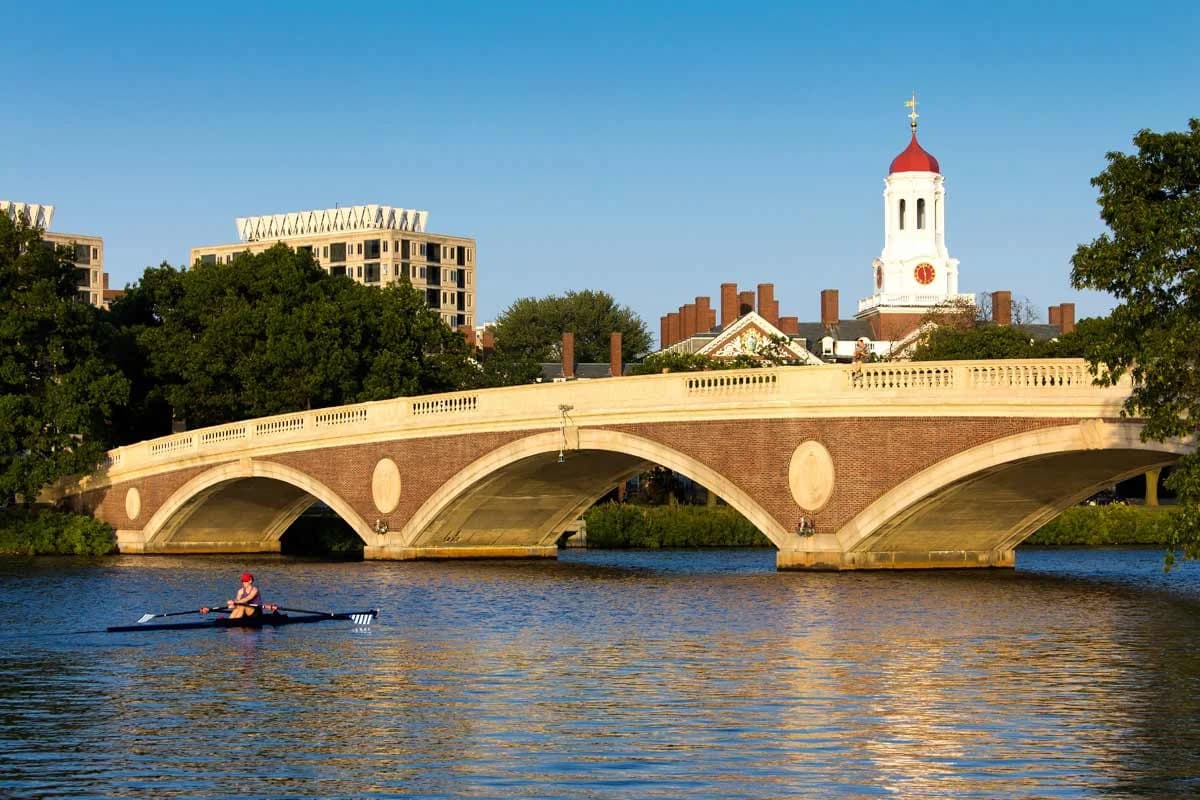
Cambridge operates as the intellectual engine of Greater Boston—an energetic, high-density urban center where history and innovation exist side by side. Colonial architecture shares blocks with biotech giants. The population of over 116,000 residents is driven by education, ambition, and progress.
The median age here is 30.2, significantly younger than the Massachusetts average. This creates an atmosphere that feels purpose-built for ambitious professionals. Clients consistently tell me they choose Cambridge for the walkability and transit access of downtown Boston, but with something Boston can't quite offer: a distinct, community-focused identity. The energy is palpable, whether you're grabbing coffee before heading to a lab in Kendall Square or browsing bookstores in Harvard Square.
Here's a snapshot of current market conditions:
Cambridge Real Estate Snapshot (Jan 2026)
Fast, mixed-unit headline numbers for young professionals: pricing, competition, and speed of market in Cambridge.
Pricing
Median sale price (Jan 2026)$1.7M
Median price per sq ft$890
Competition
Average offers2 offers on average
Market speed
Average days on market (Jan 2026)56 days on the market
Momentum (YoY)
Price change (Jan 2026 vs prior year)up 81.2% compared to last year
Median $/sqft change vs last yearup 1.2% since last year
The market moves quickly. Homes average just 56 days on the market, so buyers need to be prepared to act decisively. High demand is fueled by proximity to major employment hubs and world-class universities, making Cambridge a perennial favorite for those building their careers.
What kind of condos and homes can I buy in Cambridge, MA?
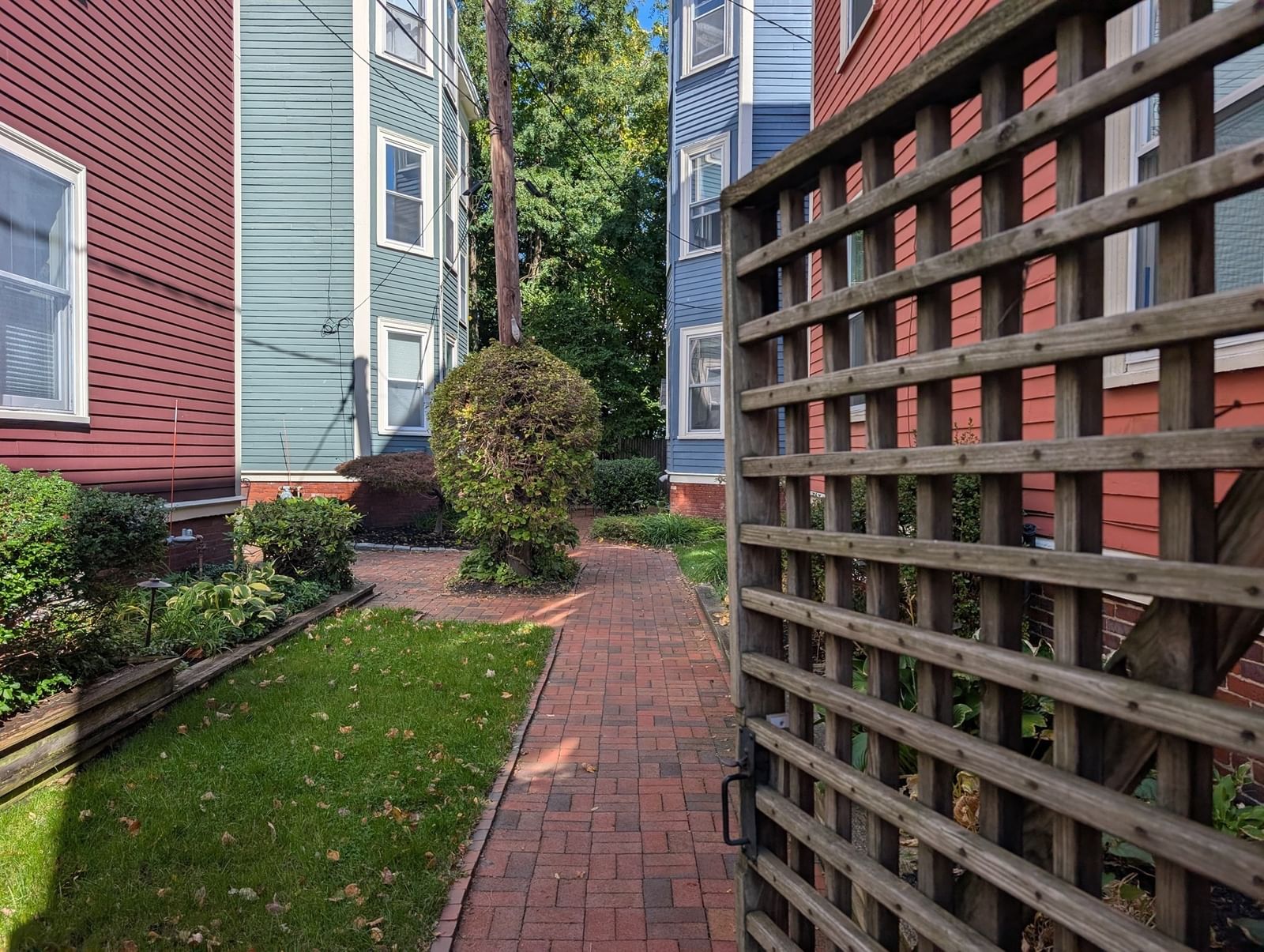
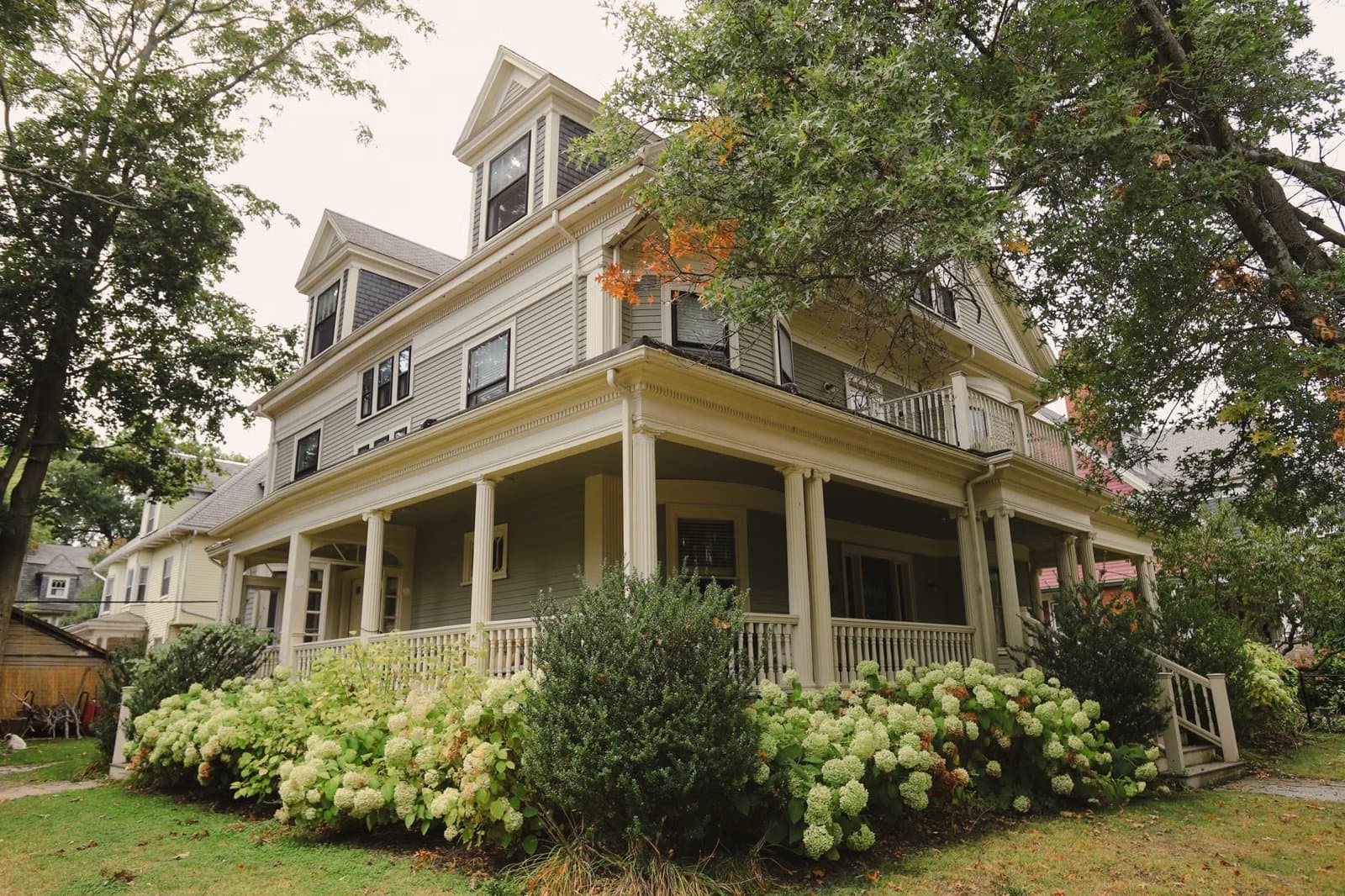
Cambridge's housing stock is predominantly condos and multi-family conversions. Single-family homes make up only about 6.4% of the residential mix. For most young professionals, the entry point is a condo—often in a converted Victorian triple-decker or a mid-rise brick building.
As of year-end 2025, the median sale price for a condo in Cambridge was $975,000. This is far more accessible than the single-family market, where the median has climbed to roughly $2.5M. When touring homes, we often weigh the trade-offs: historic charm—high ceilings, bay windows—versus the amenities of newer construction.
Cambridge Condo Median Sale Price Trend (YE 2021–2025)
Condo median sale price over time—useful for gauging direction and volatility before buying in a fast-moving, urban market.
Condo median sale price over time—useful for gauging direction and volatility before buying in a fast-moving, urban market.
Condo prices have shown a steady upward trajectory over the last few years. This consistency is a hallmark of the Cambridge market. Even when other regions soften, demand from the academic and biotech sectors tends to insulate values here.
How competitive is the inventory for buyers in Cambridge, MA?
Inventory is the primary challenge. Cambridge is dense, and development opportunities are limited, keeping supply tight. When a well-priced unit hits the market—especially in desirable neighborhoods like Mid-Cambridge or near the squares—competition is guaranteed.
Cambridge Listing Inventory by Property Type (YE 2021–2025)
How year-end listing counts shifted across condos, single-family, and multi-family—helps set expectations for choice and competition.
Condo
Single-Family
Multi-Family
How year-end listing counts shifted across condos, single-family, and multi-family—helps set expectations for choice and competition.
Listing counts for condos fluctuate but generally remain the bulk of inventory compared to single-family homes. Because inventory is tight, multiple offer situations are common. Properties receive 2 offers on average. My role is to help you navigate this by structuring offers that are competitive not just on price, but on terms that appeal to sellers looking for certainty and speed.
What are the typical building styles and HOA fees in Cambridge?
Cambridge offers a diverse architectural mix, from the wood-frame houses of Cambridgeport to the luxury glass towers of East Cambridge. Understanding the building type is crucial because it directly impacts your monthly carrying costs.
Cambridge Housing Mix: Residential Building Types (as of June 30, 2025)
A quick view of Cambridge’s building profile—dominated by larger buildings, consistent with an urban, condo-heavy market.
TOTAL
1 unit (i.e. single-family home)
6.4%
2 units
11.9%
3 units
10.5%
4-6 units
8.8%
7-12 units
4.9%
13-25 units
5.7%
26-50 units
7.7%
51-100 units
9.9%
Over 100 units
34.1%
A quick view of Cambridge’s building profile—dominated by larger buildings, consistent with an urban, condo-heavy market.
A significant portion of the housing stock—34.1%—is in buildings with over 100 units. These are typically full-service buildings with amenities like concierges and gyms, which command higher monthly fees. Generally, HOA dues range from $300 to $800 per month. In smaller, older buildings without elevators or extensive amenities, fees lean toward the lower end at $300 - $450. Luxury buildings in prime areas like Kendall Square can easily exceed $800.
Where are the best squares for dining and nightlife in Cambridge, MA?
Cambridge is organized around a series of "Squares," each serving as a distinct neighborhood hub. This structure is one of the city's best features, giving residents a "local" downtown within walking distance.
•Harvard Square: The historic heart of the city. Famous for bookstores and street performers, it also hosts sophisticated dining.
•Central Square: The center for nightlife and live music, with a grittier, more eclectic feel. Residents grab global small plates at spots like Little Donkey before catching a show.
•Kendall Square: Once purely industrial, now dubbed the "most innovative square mile on the planet." Modern architecture, tech headquarters, and upscale rooftop dining define the area.
•Inman Square: Quieter and more residential. Known for fantastic brunch spots and independent cafes.
When helping clients choose a neighborhood, we often discuss which Square aligns with their lifestyle. Do you want the bustle of Central, or the neighborhood feel of Inman?
How easy is the commute from Cambridge, MA to Boston?
For young professionals working in Boston, Cambridge offers one of the most seamless commutes in the region. The MBTA Red Line anchors the city, with stops at Alewife, Porter, Harvard, Central, and Kendall/MIT. This provides a direct link to downtown Boston and South Station. The Green Line Extension now services East Cambridge via Lechmere and Union Square, opening up easier access to North Station and the TD Garden area.
Driving is also an option. Boston is just a 15-minute drive away outside of peak traffic, though parking can be at a premium.
Increasingly, clients are prioritizing cycling infrastructure. Cambridge is a national leader here, with a mandate to build 22.6 lane-miles of separated bicycle lanes by the end of 2026. Many residents start their day with coffee at Tatte Bakery & Cafe before biking across the Longfellow Bridge—one of the most scenic commutes on the East Coast.
Is Cambridge, MA a good place for young professionals who plan to start a family?
Cambridge, MA is a high-density, walkable city with a strong neighborhood feel built around its distinct Squares, which function like mini downtowns. With a median age of 30.2 and a population of over 116,000 residents, it has an energetic, community-focused atmosphere.
Its transit access and short drive to Boston (about 15 minutes outside peak traffic) also support busy schedules, especially for households balancing work and daily errands.
What types of homes do buyers typically find in Cambridge, MA?
Cambridge, MA housing is dominated by condos and multi-family conversions rather than detached single-family homes. Single-family properties make up only about 6.4% of the residential mix.
Many condos are in converted Victorian “triple-deckers” or mid-rise brick buildings, with options that trade off historic details like high ceilings and bay windows versus newer-building amenities.
How much do condos and single-family homes cost in Cambridge, MA?
As of year-end 2025, the median condo sale price in Cambridge, MA was $975,000. Single-family homes are far higher, with a median sale price around $2.5M.
Condo prices have shown a steady upward trajectory in recent years, reflecting consistent demand tied to the academic and biotech sectors.
How competitive is the Cambridge, MA housing market for condo buyers?
Cambridge, MA is a fast-moving market with homes averaging about 56 days on the market. Inventory is tight because the city is dense and development opportunities are limited.
Multiple-offer situations are common, with properties receiving about 2 offers on average—especially for well-priced units near popular areas like Mid-Cambridge or near the Squares.
What are typical HOA fees in Cambridge, MA condos, and what affects the cost?
In Cambridge, MA, HOA dues generally range from about $300 to $800 per month. Smaller, older buildings without elevators or extensive amenities tend to fall closer to $300–$450.
A significant share of homes (34.1%) are in buildings with over 100 units, which are often full-service with amenities like concierges and gyms; luxury buildings in prime areas such as Kendall Square can exceed $800 per month.
How easy is commuting from Cambridge, MA to Boston using public transit?
Cambridge, MA offers a seamless commute to Boston via the MBTA Red Line, with stops at Alewife, Porter, Harvard, Central, and Kendall/MIT. The Red Line provides a direct link to downtown Boston and South Station.
The Green Line Extension also serves East Cambridge via Lechmere and Union Square, improving access to North Station and the TD Garden area.
Is Cambridge, MA bike-friendly for commuting?
Cambridge, MA is a national leader in cycling infrastructure and has a mandate to build 22.6 lane-miles of separated bicycle lanes by the end of 2026. This supports bike commuting within Cambridge and into Boston.
Many riders also use key connections like the Longfellow Bridge for a direct route into the city.