I'm Andrew Goldberg, a Boston real estate advisor specializing in first-time buyers across Greater Boston. I guide you A to Z—from first search to closing day. Serving Boston, Brookline, Medford, Cambridge, Newton and Somerville, MA.
# Boston Just Posted One of the Sharpest Price Drops in the U.S.—What a 4.4% Decline Really Means for Spring Sellers
Key Takeaways
•The Core Truth: Boston's 4.4% median price decline is a reflection of strategic pricing and a 15.5% drop in fresh listings, not a collapse in buyer demand.
•The Market Reality: While homes are taking an average of 73 days to sell, properly priced properties in top School District Tiers are still commanding near-asking prices.
•The Bottom Line: Sellers must prioritize Curb Appeal and accurate pricing over aspirational numbers, as buyers are highly selective but ready to act on quality inventory.
Why Shouldn't You Let the Headline Numbers Fool You This Spring?
See "Boston down 4.4%" and your first instinct might be to wonder whether you missed your window. Take a breath. That number sounds dramatic—it isn't automatically a sign that Boston home values are unraveling.
As of April 10, 2026, the more revealing figure is that fresh listings are down 15.5%. A market with fewer new homes coming online behaves very differently from one flooded with inventory. This is a market defined more by scarcity than by distress.
Buyers haven't vanished. What's changed is how they behave.
Today's Boston buyers are more selective, more payment-conscious, and far less willing to overpay for a home that feels dated or overpriced. But when a property is well-presented, sits in a strong lifestyle corridor, or ties into premium School District Tiers, those same buyers are still stepping up—and moving fast.
So what does the 4.4% decline actually mean for a spring seller? It means pricing strategy matters more than ever. Not panic. Strategy.
What is the Math Behind Boston's Shifting Spring Dynamics?
The easiest mistake right now is treating every price drop as evidence of a crash. The numbers aren't telling that story.
A significant reason Boston looks softer on paper is that sellers and agents have started pricing more realistically. The median list price fell 13.6% year-over-year from early 2025 to early 2026—a substantial shift. But it largely reflects asking-price strategy, not a straight-line erosion in what well-positioned homes are actually worth.
"While citywide median list prices dropped 13.6% year-over-year in February, that number is often a listing strategy—asking price can be marketing, not a true valuation."
Greater Boston Housing Snapshot
Headline market indicators for Greater Boston combine sales, prices, inventory, and mortgage rates. A market snapshot is appropriate because the metrics use mixed units.
The practical read: sellers are meeting the market earlier rather than chasing it down. That can look like a discount at first glance. In reality, it's often the move that protects your net proceeds.
A home priced correctly from day one generates stronger early interest, avoids the stale-listing trap, and preserves negotiating leverage. A home priced "hopefully" sits, gets reduced, and starts attracting low-ball offers. The math on that path rarely works out.
This is exactly why understanding Assessed Value vs. Market Value matters so much right now. Your assessed value is a tax benchmark. Your market value is what a qualified buyer will actually pay today—under current financing conditions, in your specific neighborhood.
Greater Boston Single-Family Market: February 2026 vs February 2025
Side-by-side view of recent Greater Boston single-family market figures versus the same month a year earlier. This grouped comparison highlights declines in both closings and prices.
Homes sold
Median sale price
Side-by-side view of recent Greater Boston single-family market figures versus the same month a year earlier. This grouped comparison highlights declines in both closings and prices.
The right question for spring sellers isn't, "What could I have gotten two years ago?" It's: "What price will attract the right buyers quickly enough to protect my leverage now?"
Why is 73 Days on Market a Reality Check, Not a Crisis?
Yes, homes are taking longer to sell. The current average is 73 days on market—11 days longer than a year ago. That's a meaningful shift. It is not, however, a market breakdown.
Think of it as a return to buyer selectivity. Here's what the underlying data actually shows:
Data Table
Market Metric
Current Status (Spring 2026)
Year-over-Year Delta
Boston Days on Market
73 Days
+11 Days
Price Per Square Foot
$753
+4.2%
List-to-Sale Ratio
98%
-1.0%
Active Supply
1.6 Months
Flat
That table tells a very different story than the alarming headlines.
•Price per square foot is up 4.2%. Buyers are still paying for quality where condition and location align.
•The list-to-sale ratio sits at 98%. Most sellers are landing very close to asking—a strong signal that accurate pricing still gets rewarded.
•Active supply is just 1.6 months. True market crashes arrive with swelling inventory. That's not what's happening here.
Longer days on market in a low-inventory environment typically means buyers are being more careful, not that they've disappeared. The sellers winning right now have internalized one thing: you don't need to beat the market. You need to fit it.
Are We Heading for a 2008-Style Crash?
It's a fair fear, and worth addressing directly.
Mortgage rates remain elevated. With the 30-year fixed rate around 6.46%, affordability is a genuine obstacle that's compressing monthly budgets across the board. But a tougher financing environment is not a 2008-style collapse.
Statewide, single-family sales started 2026 down more than 10%. Alarming on the surface—but a large portion of that slowdown reflects the same constraint Boston has faced for years: there simply aren't enough homes for sale.
"The drop in closed sales is a sign of tighter inventory—fewer homes are getting to market and that reduces transaction counts even while demand remains."
Unlike 2008, today's homeowners carry far more equity and hold much stronger loan positions. Most are not forced sellers. That distinction matters enormously. Distressed selling is what floods a market and crushes prices. Boston isn't seeing that kind of pressure.
What the market actually looks like right now: financing is expensive, buyers are choosier, inventory remains limited, and well-priced homes continue to move. That combination points to normalization—not collapse.
What Does This Mean for Boston Homeowners Right Now?
If you're thinking about selling this spring, your opportunity hasn't closed. But the rules have shifted.
Buyers are no longer rewarding homes simply for existing. They're rewarding homes that feel worth the payment.
Neighborhoods with a high Walkability Score continue to stand out for exactly this reason. When buyers are stretching on mortgage costs, location convenience carries real financial weight. A home near transit, good restaurants, schools, parks, and daily essentials offers lifestyle value that buyers can justify—and that justification shows up in offers.
Boston's Most Walkable Neighborhoods
Top Boston neighborhoods by Walk Score, showing how several core neighborhoods cluster near a perfect score.
Top Boston neighborhoods by Walk Score, showing how several core neighborhoods cluster near a perfect score.
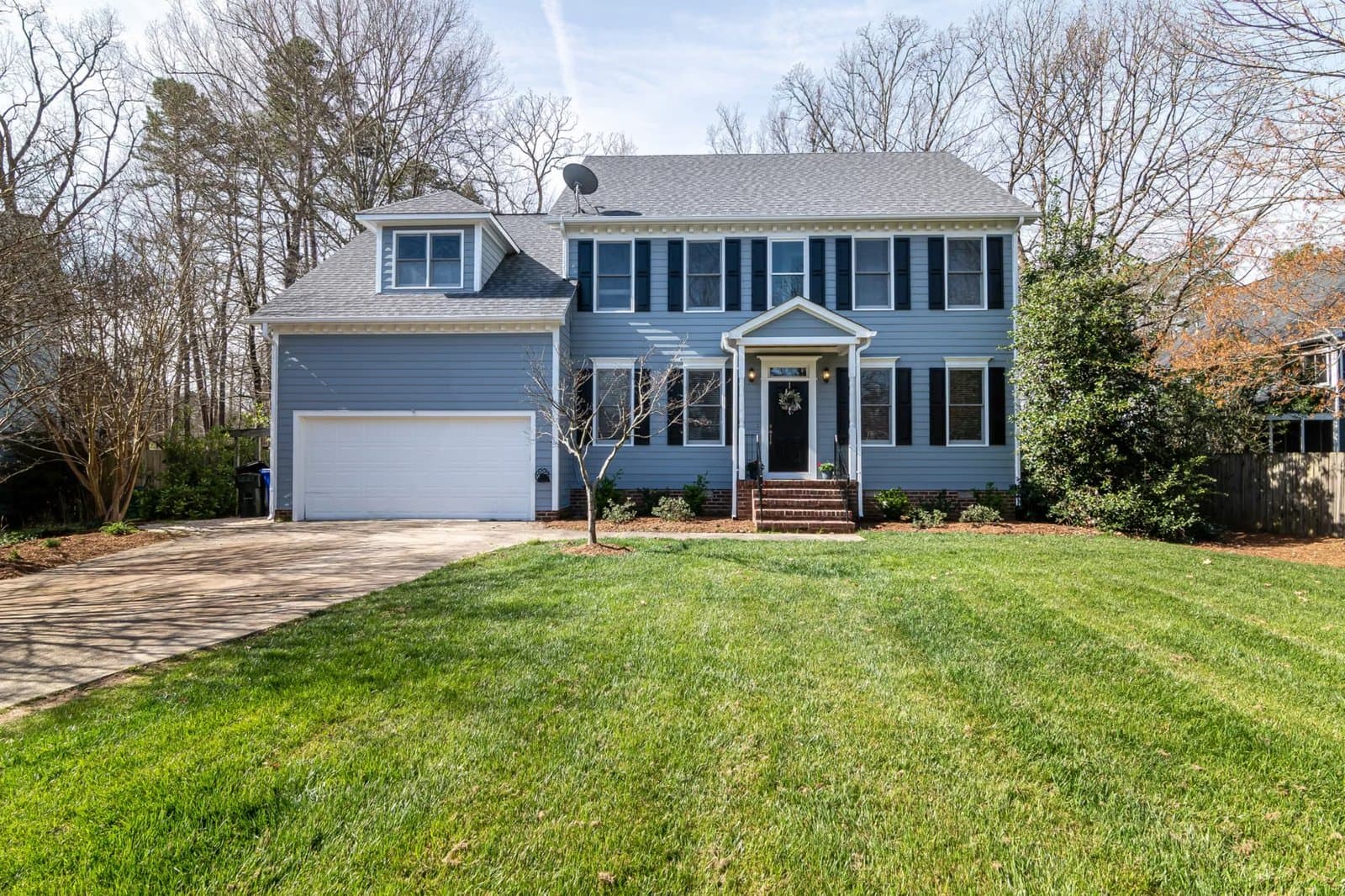
Curb Appeal isn't a soft concept in this environment—it's financial. A home that looks sharp online and from the street increases the odds that buyers book the showing, arrive with urgency, and compete rather than nitpick. In a selective market, presentation is frequently the difference between a strong first weekend and a listing that lingers.
"Fewer available options mean competition remains heated for properly priced listings; sellers who price accurately still see strong buyer interest and near-full asking-price outcomes."
For families relocating into Boston, safety, affordability, and school alignment are still driving major decisions. The strength of your micro-location can matter far more than what the citywide median says on paper.
Boston Area Safe-Feeling Neighborhoods: Home Prices vs Rents
Compares housing costs across three Boston neighborhoods highlighted for safety, pairing average home prices with average monthly rents. Both metrics share the same currency unit, making grouped bars suitable.
Average Home Price
Average Rent
Compares housing costs across three Boston neighborhoods highlighted for safety, pairing average home prices with average monthly rents. Both metrics share the same currency unit, making grouped bars suitable.
So what does the 4.4% decline mean in practical terms? Buyers have leverage against overpriced homes. They do not have unlimited leverage against every home.
How Should You Navigate the April 2026 Market?
1. Price from evidence, not memory.
Your neighbor's 2022 sale is not your pricing strategy. Work from current comparable sales, current competition, and current buyer payment realities.
2. Make presentation a priority.
Declutter, brighten, repair, and sharpen the exterior. In this market, condition converts browsers into buyers.
3. Study your micro-neighborhood, not just Boston headlines.
A condo in South Boston, a single-family in West Roxbury, and a home near top school zones don't behave the same way. Treat them accordingly.
4. Prepare for more days on market without reading it as failure.
A longer timeline can still end in a strong sale when pricing and positioning are right.
5. Don't test the market with an aspirational number unless you're prepared to lose momentum.
Today's buyers track stale listings. Once a home sits, they start asking what's wrong with it.
Buyers, meanwhile, should resist waiting for a sweeping across-the-board correction.
"Buyers who wait for leverage across the board are missing the homes they actually want. The good homes—right location, condition, price—are disappearing first."
That's especially true in Boston's stronger lifestyle locations, where quality inventory still commands attention quickly.
If you've been reading 73 days on market as a signal that the bottom is falling out, here's the reset:
"Most people think Boston's 73 days on market means the market is about to crash. But pause—this isn't 2008. Boston taking 73 days to sell isn't a crash. It's a reality check."
A useful one. It tells us the market now rewards discipline over optimism and execution over guesswork.
If you want to understand what this means for your home specifically—not Boston in aggregate—the next step is straightforward: get a neighborhood-level pricing review built on live April 2026 comps, current buyer demand, and a realistic days-on-market projection. That's how you protect your timing, your leverage, and your bottom line this spring.
Common Questions
What does a 4.4% drop in Boston home prices actually mean for spring sellers?
A 4.4% decline in Boston home prices signals a market reset, not a collapse. In the Boston real estate market, many sellers are pricing more realistically while new listings remain scarce, so well-prepared homes in strong neighborhoods can still attract serious buyers and sell close to asking.
How can Boston sellers price correctly when the market feels softer this spring?
Sellers should use recent comps and hyper-local buyer demand, not last year’s peak expectations. In the Boston spring housing market, overpricing adds days on market, while accurate pricing can preserve leverage, support stronger offers, and keep the final sale closer to true market value.
Is 73 days on market a warning sign that the Boston real estate market is crashing?
No, 73 days on market reflects more selective buyers, not a 2008-style crash. In today’s Boston real estate market, inventory is still tight, price per square foot is rising, and correctly priced homes are often achieving near-asking offers despite taking longer to secure the right buyer.
What is the difference between assessed value and market value in Boston real estate?
Assessed value is the number used for property taxes, while market value is what a buyer will pay today. In the Boston real estate market, sellers who confuse the two often overprice their homes, which can weaken interest and extend time on market.
Can buyers still compete in the Boston spring housing market if prices are easing?
Yes, buyers can still face competition even as Boston home prices soften. The Boston spring housing market remains constrained by limited supply, so desirable homes with strong walkability, condition, and school access can draw multiple offers while less polished listings sit longer.
Will Boston see a bigger housing correction later in 2026?
Boston is more likely to normalize than to plunge later in 2026. The Boston real estate market still has low inventory, high homeowner equity, and steady demand for quality homes, which together create a floor under prices even as buyers gain slightly more negotiating power.