I'm Andrew Goldberg, a Boston real estate advisor specializing in first-time buyers across Greater Boston. I guide you A to Z—from first search to closing day. Serving Boston, Brookline, Medford, Cambridge, Somerville and Newton, MA.
# The Hidden Premium: How Transit Access is Driving March Bidding Wars in Boston's Suburbs
Key Takeaways
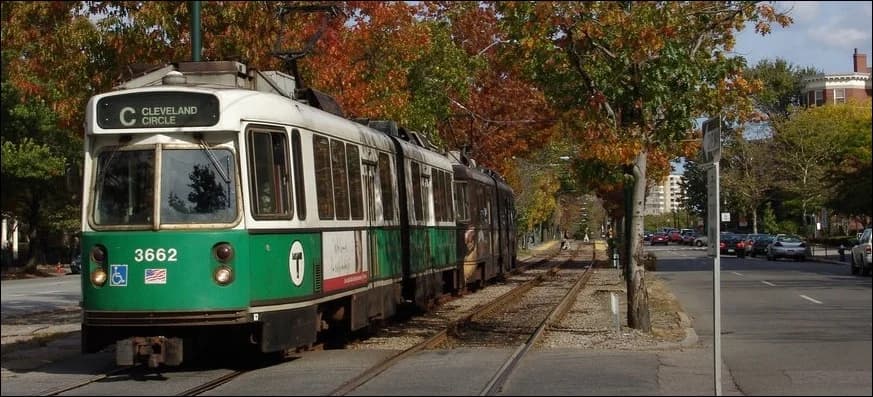
•The Core Driver: Transit access, specifically proximity to Massachusetts Bay Transportation Authority (MBTA) stations, is the primary catalyst driving Boston home prices and bidding wars in March 2026.
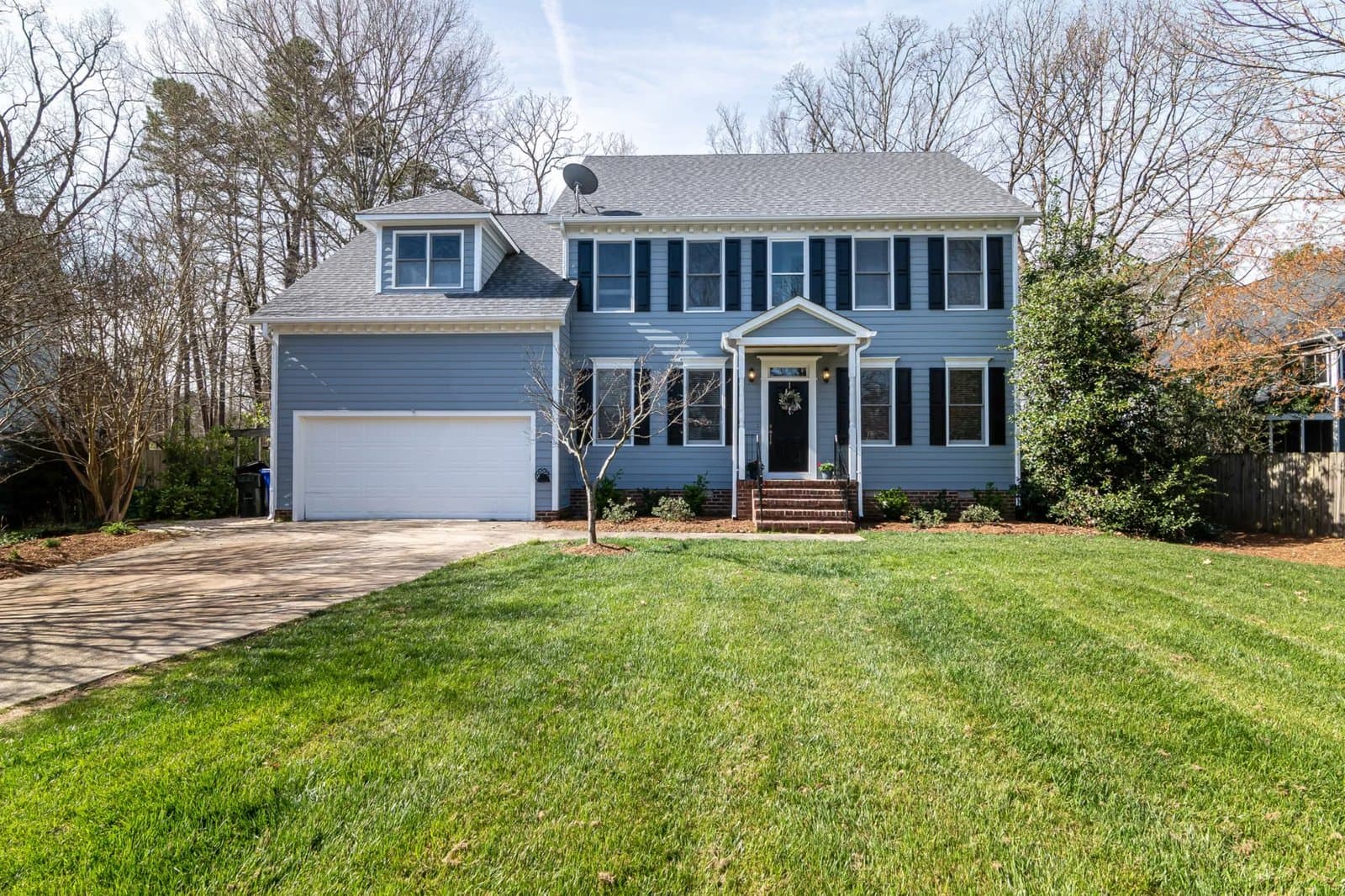
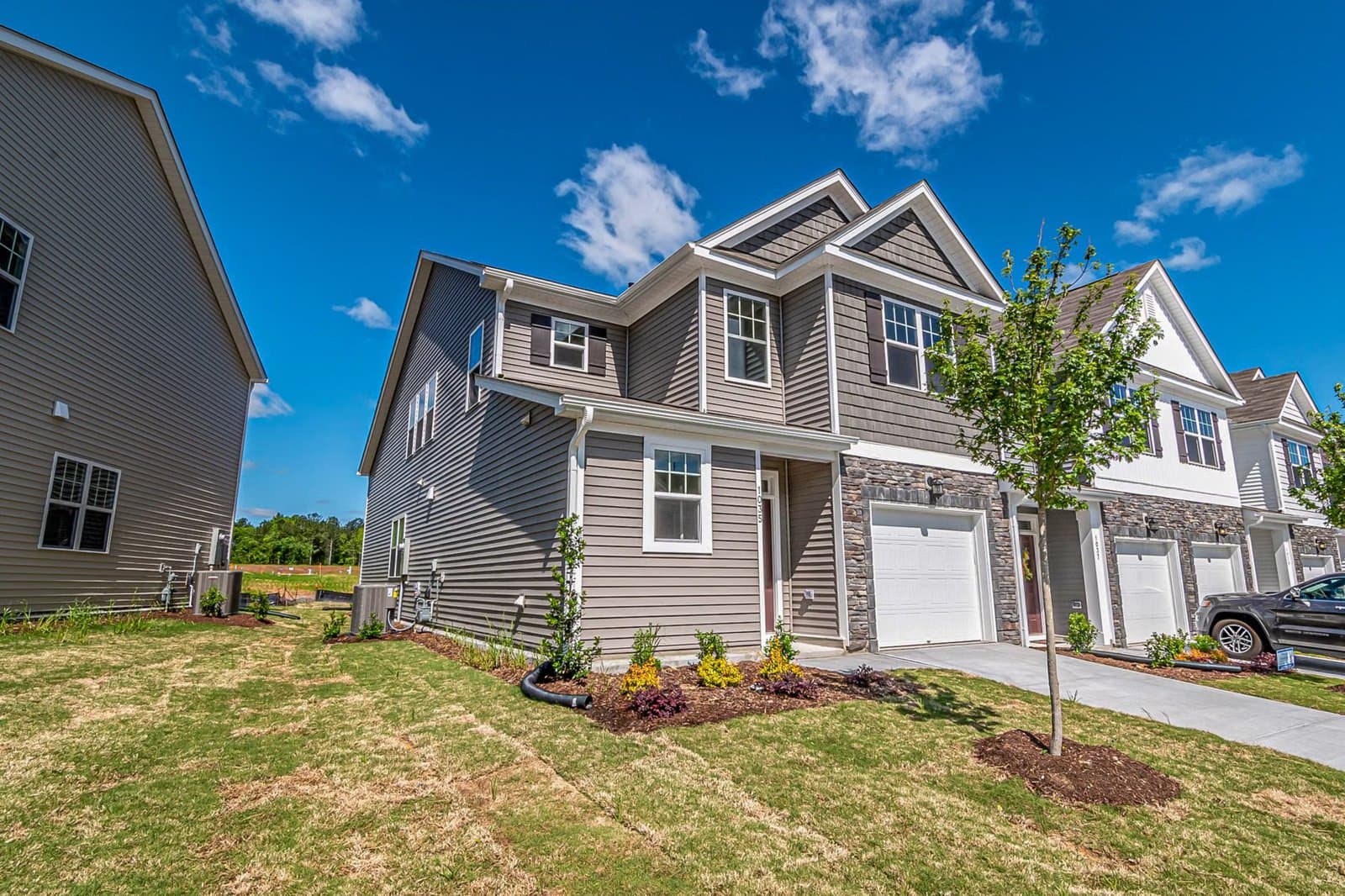
•The Market Reality: While downtown condos sit on the market, single-family homes in walkable suburbs near Boston are experiencing fierce competition and double-digit price surges.
•The Bottom Line: Buyers must prioritize commute optionality and transit-oriented real estate Boston to secure long-term pricing resilience against fluctuating mortgage rates.
Square footage and curb appeal matter—but March 2026 buyers are getting outbid for something far less visible: commute optionality. Near MBTA stops, families are paying a premium for lifestyle, then winning by moving faster and bidding harder.
What is the Invisible Amenity Dictating Boston's Spring Market?
If you've been watching Boston-area prices and wondering why that house draws five offers while a comparable one down the road sits untouched, the answer is almost always the same: transit access that gives you options.
With national 30-year fixed mortgage rates at 6.30 percent in March 2026, monthly payments feel heavier, and buyers are far more deliberate about where they allocate their budgets. That selectivity has effectively split the market in two.
Plenty of homes are sitting. But transit-connected, walkable listings in the right suburbs are still getting bid up—because buyers aren't just purchasing a kitchen and a yard anymore. They're purchasing a reliable plan for getting to work, and the freedom to change jobs without changing their address.
Our data suggests only the top 25 percent of listings—the ones that check every box—are triggering bidding wars. That's actually useful context for buyers: your real competition isn't the entire buyer pool. It's the smaller, determined group who refuse to compromise on commute flexibility, school quality, and walkability simultaneously.
Buyers are increasingly evaluating absorption rates not just by town, but by specific transit sheds—the walk-to-station zones where demand stays intense even when rates climb.
Boston Housing Market Pulse (Feb–Mar 2026): Prices, Inventory & Speed
Headline metrics from Redfin, Zillow, and Realtor.com showing Boston pricing, inventory, sales volume, and time-to-sell in early 2026 (mixed units presented as a single snapshot).
Pricing
Median sale price (Redfin, Feb 2026)$812,500
Home Value Index / typical home (Zillow, Feb 2026)$768,702
Median listing price (Realtor.com, Mar 2026)$895,000
•Mortgage rates hitting 6.30 percent have forced buyers to become hyper-selective.
•Only the top 25 percent of flawless, transit-connected listings are triggering bidding wars.
•The market is split between stagnant inventory and highly competitive, transit-adjacent properties.
How Have Shifting Commutes Built Pricing Resilience Over the Last Decade?
Boston pricing used to follow a fairly straightforward rule: closer to downtown generally meant higher values. The post-pandemic reality is messier—and more interesting.
Most people no longer commute five days a week, but they still need to commute sometimes. More importantly, they want the freedom to switch offices, change employers, or head into the city without it becoming a logistical ordeal. That's what commute optionality actually means in practice—not just convenience today, but flexibility tomorrow.
As one local homebuyer put it recently: "People want a deal, fact is prices and rates are far too high... people do not want to be house poor or live 25-30 miles from where they need to be, the tide is changing."
When buyers collectively draw a hard line against "far out with no rail," the homes inside the transit network hold their value more reliably. Demand doesn't evaporate when the market cools—it concentrates.
Transit, Walking & Biking Commute Share: Transit Shed vs. Region
How commuting behavior differs for workers living near transit (within the transit shed) versus the broader region (all values are percentages).
Transit
Transit/Walk/Bike (combined)
How commuting behavior differs for workers living near transit (within the transit shed) versus the broader region (all values are percentages).
The historical data reinforces this. Boston station areas have outperformed the broader region by 129 percent in property value growth—a gap that reflects not just convenience, but structural scarcity. You're not simply paying more because a station is nearby. You're buying into a location that has historically recovered faster and stayed more liquid when conditions tighten.
Station-Area Property Value Outperformance vs. Region (Selected Cities)
Comparison of how much station-area property values outperformed their respective regional markets (all values are percentages).
Comparison of how much station-area property values outperformed their respective regional markets (all values are percentages).
•Post-pandemic buyers refuse to live 25-30 miles away from transit hubs.
•Boston station-area properties have historically outperformed the regional market by 129 percent.
•Transit access acts as a protective financial moat against rising interest rates.
How Much is the Commuter Rail Premium in Newton, Wellesley, and Brookline?
This is where the data gets concrete.
Properties within walking distance of major T stops and commuter rail lines are absorbing at breakneck speeds. Families are paying a genuine premium for the walkability + schools + transit combination—a trifecta that's genuinely hard to replicate.
Newton is the clearest example: median Days on Market of just 17 days. In a 17-day environment, there's no luxury of waiting to see if a seller will take less. You win by being decisive, well-prepared, and aligned with what that micro-market rewards.
Wellesley recorded 172 combined sold and pending transactions in February alone—an unusually high turnover rate for a high-price suburb, and a direct signal of how persistently strong demand is along the commuter rail corridor.
Median Prices: City vs. Suburban Corridor (Feb–Mar 2026)
Side-by-side comparison of median pricing levels across Boston citywide and select high-demand suburban markets (all values in USD).
Side-by-side comparison of median pricing levels across Boston citywide and select high-demand suburban markets (all values in USD).
Brookline tells a similar story. Bidding wars there are now the norm, with prices surging approximately 21.9 percent year-over-year. Double-digit annual growth in a mature, already-expensive market means one thing: scarcity is doing the heavy lifting. Buyers are competing for a limited number of homes that check every box at once.
Data Table
Suburban Market (Zip Code)
Median Sale Price
Market Velocity (DOM)
Transaction Volume (Sold/Pending)
Newton (Multiple)
$1.19M (Corridor Avg)
17 Days
High
Wellesley (02482)
$1.295M
19 Days
172
Dover (02030)
$1.625M
36 Days
20
Two homes with nearly identical finishes can sell at very different prices because the market values time savings and reduced stress as much as it values granite countertops. The assessed value vs. market value gap in these towns consistently favors sellers—proof that Boston's suburban bidding wars are driven by infrastructure just as much as architecture.
Key Takeaways
•Newton properties are selling in just 17 days, highlighting extreme market velocity.
•Wellesley led the suburban corridor with 172 transactions, driven by commuter rail access.
•Brookline saw a 21.9 percent price surge, proving buyers will pay a premium for elite school and transit combinations.
Where Does the Transit Rule Break Down in Boston?
Transit access creates a premium—but it isn't magic, and it doesn't override everything.
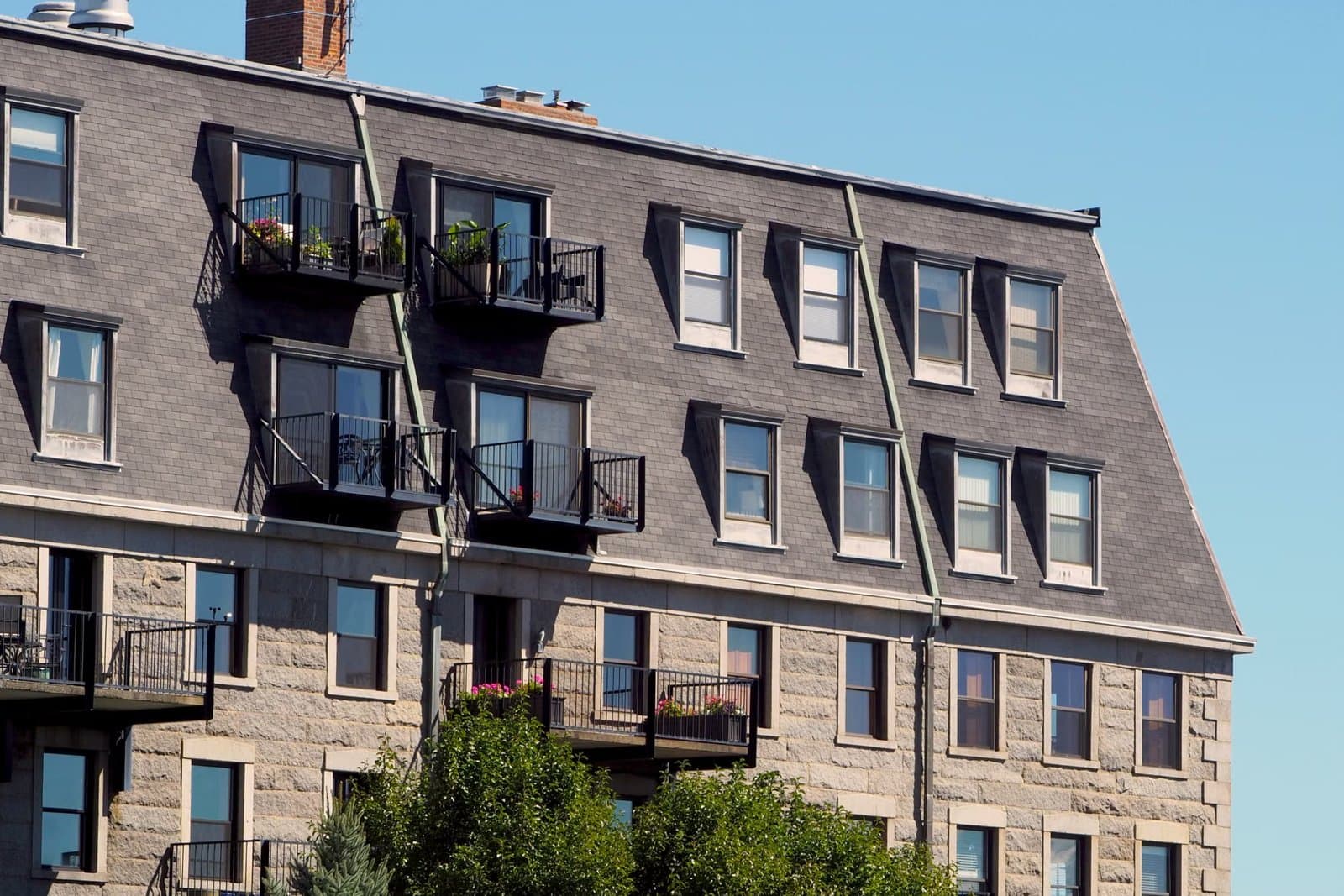
Downtown and luxury condos, even those with excellent transit access, are lingering on the market. The reason is straightforward: buyers right now are prioritizing single-family space, dedicated home offices, and suburban school districts over urban density. The lifestyle calculus has shifted.
Boston condo market inventory has risen 57 percent year-over-year. More inventory means more choice, and more choice shifts leverage to the buyer—price reductions, seller credits, flexible terms, and room to negotiate inspection items.
Midtown condos are sitting at approximately 88.5 days on market. About 63.5 percent of city listings are now selling under asking price.
Data Table
Market Segment
Inventory YoY Change
Median Days on Market
Pricing Trend
Suburban Single-Family (Transit)
Constrained
17 - 22 Days
Over Asking (Bidding Wars)
Boston Citywide (Mixed)
+1.29%
42 Days
-6.77% YoY
Downtown/Midtown Condos
+57.0%
88.5 Days
63.5% Sell Under Ask
For buyers willing to trade a suburban yard for city living—and comfortable navigating HOA budgets and building rules—this overhang represents a genuine opportunity that rarely surfaces in Boston.
Key Takeaways
•Boston condo inventory has surged by 57 percent, shifting power to urban buyers.
•Midtown condos are sitting for nearly 89 days, a stark contrast to the 17-day suburban average.
•63.5 percent of city listings are selling below asking price due to the luxury condo overhang.
How Can Buyers Secure Long-Term Stability in a Volatile Rate Environment?
Here's the practical answer to why transit access quietly drives Boston home prices: it concentrates demand. When demand stays concentrated while inventory stays tight, prices don't simply rise—they become more resilient.
For buyers focused on long-term wealth, transit-accessible real estate remains one of the more defensible positions in Greater Boston because it preserves liquidity. When you eventually sell, you're far more likely to face a deep pool of qualified buyers rather than a thin, rate-sensitive one.
As one market analyst observed, "Brookline functions like a high-barrier asset where scarcity itself drives value." High-barrier locations carry a real upfront cost, but they tend to protect you on the back end—because scarcity doesn't disappear when headlines turn negative.
The slower segments are offering a different kind of value. When median days on market shifts from 39 to 47 days, it represents a genuine transfer of pricing power. Boston rarely gives buyers time and optionality at the same time—right now, the softer condo segment is doing exactly that.
If suburban space isn't a current priority, a prime urban address may be within reach with far less competitive pressure—and potentially less overpaying—than you'd expect.
As spring 2026 deepens, commute optionality will remain a decisive factor in how properties are valued across Greater Boston. Whether you're navigating a bidding war in Wellesley or negotiating terms on a Seaport condo, understanding the transit premium is how you make a sharper, calmer decision.
Key Takeaways
•Transit-oriented properties act as high-barrier assets, insulating buyers from market volatility.
•Slower urban markets are offering buyers rare negotiating power and time.
•Commute optionality will remain the primary driver of Boston real estate valuations throughout 2026.
Want the transit premium numbers for your exact neighborhood?
Share the town or zip code you're targeting, your ideal commute destination (Downtown, Kendall, Longwood, Seaport, etc.), and whether you're prioritizing walk-to-station access or a quick drive with parking—and we can map the transit premium you're likely facing, along with what it means for offer strategy and resale risk.
Reply with 2–3 areas you're considering, and I'll send back a short, data-backed snapshot.
Common Questions
What does “commute optionality” mean for Boston homebuyers in 2026?
Commute optionality means a home supports multiple work patterns—office days, hybrid weeks, or job changes—without a painful drive. In practice, it’s the ability to walk to an MBTA station or rail stop and still live well. That flexibility is a major trigger behind Boston suburbs bidding wars.
How close to an MBTA station counts as “walkable” when pricing MBTA commuter rail homes?
Walkable proximity typically means about a 5–15 minute walk (roughly 0.25–0.75 miles), depending on hills, sidewalks, and crossings. Homes in that radius often price higher because the station becomes a daily default, not a backup. This zone is where Boston suburbs bidding wars concentrate for MBTA commuter rail homes.
What is the “transit shed,” and how do buyers use it to compare suburbs like Newton and Wellesley?
A transit shed is the practical area where a station is truly usable—walk time, parking, schedule reliability, and last‑mile connections. Buyers compare sheds to predict resale demand, not just map distance. A stronger shed often compresses Days on Market and intensifies Boston suburbs bidding wars, especially in the Newton MA real estate market.
How much of a price premium do buyers pay for commuter rail access in the Newton MA real estate market?
The commuter rail premium usually shows up as higher sale prices, faster offers, and fewer inspection or financing contingencies rather than a single fixed dollar amount. In Newton, quick market velocity signals that buyers are valuing rail access like a core feature. That dynamic fuels Boston suburbs bidding wars in the Newton MA real estate market.
Does living near an MBTA stop always protect home values, even when condos are soft in Boston?
Transit access supports value best when paired with what families want most—space, schools, and walkability—so it’s strongest in suburban single‑family neighborhoods. Downtown condos can still lag due to high inventory and HOA costs, despite great transit. That’s why Boston suburbs bidding wars persist while some city condos discount.
Can buyers avoid Boston suburbs bidding wars and still get MBTA access?
Yes, buyers can target “one-stop-out” neighborhoods, less brand-name station areas, or homes requiring cosmetic updates near rail lines. These options can keep you in the MBTA network while reducing competition versus the hottest school-and-transit corridors. It’s a common strategy for shoppers seeking MBTA commuter rail homes without peak Boston suburbs bidding wars.