I'm Andrew Goldberg, a Boston real estate advisor specializing in first-time buyers across Greater Boston. I guide you A to Z—from first search to closing day. Serving Boston, Brookline, Cambridge, Medford, Somerville and Newton, MA.
Key Takeaways
•The Direct Answer: Seaport condos are highly exposed to pricing slips due to homogeneous inventory and high carrying costs, while Beacon Hill homes remain insulated by structural scarcity and cash-heavy buyers.
•The Market Reality: Boston's median listing price dropped nearly 12.1% year-over-year in March, setting the stage for a rapid April recalibration where liquidity dictates leverage.
•The Bottom Line: Buyers must prioritize intrinsic property value, historic charm, and established neighborhoods over heavily financed, high-fee "glass box" new builds to protect their investments.
Is Every Multi-Million Dollar Boston Home Actually a Safe Investment?
Not even close.
Prestige feels like a safety net — until it isn't. In spring 2026, Boston's upper tier is proving that premium pricing only holds when buyers still see lasting, defensible value behind it. When borrowing costs stay elevated, the market stops rewarding "luxury" as an abstract concept and starts rewarding scarcity, location, and staying power.
The data draws a sharp line. Beacon Hill homes hold up because supply is genuinely limited and the buyer pool skews cash-heavy. Seaport inventory, by contrast, is far more exposed when pricing slips. Pack a neighborhood with similar high-end condos and buyers get selective fast — which means sellers face pressure to cut sooner than they'd like.
That distinction has real consequences for your wallet, depending on which side of the transaction you're on.
How Does All-Cash Leverage Dictate the Luxury Floor?
With mortgage rates still hovering in the mid-6% range, cash isn't just a convenience — it's a competitive weapon.
Liquidity does more than help deals close this spring. It helps set the floor on value. Cash buyers sidestep lender delays, appraisal risk, and the monthly-payment math that quietly disqualifies financed buyers from stretching. When a neighborhood's buyer pool can move quickly and absorb volatility, sellers simply have less reason to discount.
That's the structural advantage behind Beacon Hill, parts of Back Bay, and other supply-constrained pockets. The pool is smaller, but it's stronger — and that strength keeps pricing steadier than the broader market might suggest.
Financed buyers shopping $3M+ Boston homes are feeling the squeeze from the other direction. If closing a deal requires a large loan, steep HOA fees, and a clean appraisal all working in concert, that property carries real vulnerability the moment sentiment shifts.
Are Boston Home Prices Actually Dropping in Spring 2026?
Yes — but this isn't a collapse. It's a recalibration.
Boston's median listing price fell 12.1% year over year in March to $966,250. That's a meaningful reset, and it signals that sellers no longer control every conversation. Yet homes still moved in just 36 days. The market is softening at the margins, not seizing up.
Boston Housing Market Snapshot — March/Q1 2026
A mixed-unit headline snapshot combining pricing, market speed, and inventory indicators from major March/Q1 2026 Boston market sources.
Pricing
Median sale price (Redfin, March 2026)about $867,500
Median listing price (Realtor.com, March 2026)$966,250
Zillow Home Value Index$798,217
Market pace
Median days on market (Redfin)33 days
Typical days on market (Realtor.com)36 days
Inventory
Active listings (Zillow)approximately 1,368 active listings
Some homes are still commanding strong numbers. Others are losing pricing power quickly. That split is the whole story right now. For buyers, this market rewards discipline. For sellers, it rewards accurate pricing from day one — not wishful thinking anchored to 2022 comps.
Year-over-Year Price Change Indicators in Boston (2026)
A same-unit comparison of key annual price-change measures shows how Boston's housing metrics vary by segment and source, from slight declines in Zillow valuations to double-digit listing-price gains and stronger luxury appreciation.
A same-unit comparison of key annual price-change measures shows how Boston's housing metrics vary by segment and source, from slight declines in Zillow valuations to double-digit listing-price gains and stronger luxury appreciation.
Comparing Boston's conditions against the national backdrop sharpens the picture:
Data Table
Market Metric
Boston Market
National Market
Median Listing Price YoY Change
-12.1%
N/A
Active Listings YoY Change
+4.8%
+6.2%
Days on Market YoY Change
+8.9%
+7.5%
Boston is absorbing more inventory and slightly longer marketing times, but there's no flood of supply. More negotiating room exists than during the frenzy years, yet genuinely special homes still don't linger.
New listings are also telling a story by property type, not just price point.
New Listing Activity by Property Type
Compares single-family and condo listing activity across counts and recent change measures, highlighting softer month-over-month supply but stronger year-over-year growth for condos.
New listings count
Change from May
Change from last June
Compares single-family and condo listing activity across counts and recent change measures, highlighting softer month-over-month supply but stronger year-over-year growth for condos.
Series
Label
Value
New listings count
Single-family homes
1,528 new single-family homes hit the market.
New listings count
Condos
1,437 new condos became available.
Change from May
Single-family homes
That's down 13.4% from May
Change from May
Condos
That's a decrease of 8.1% from May
Change from last June
Single-family homes
but up 8.9% from June of last year.
Change from last June
Condos
but a pretty significant increase of 19.4% compared to last June.
Buyer demand isn't reacting evenly. Condos in highly replicated product categories are behaving very differently from rare brownstones, single-families, or homes with real architectural character.
And even amid short-term slips, Boston's long-term supply constraints still provide a meaningful floor.
Inventory and Supply Change Signals
Same-unit supply indicators show a sharp longer-term permitting decline alongside more modest gains in active and newly listed homes, suggesting near-term inventory improvements are still constrained by weak construction.
Same-unit supply indicators show a sharp longer-term permitting decline alongside more modest gains in active and newly listed homes, suggesting near-term inventory improvements are still constrained by weak construction.
The city remains supply-constrained overall — which prevents a full pricing breakdown. But within that broader floor, the most overbuilt premium segments can absolutely reprice, and some already are.
Why Are Financed Buyers Losing Ground in the Luxury Sector?
Because expensive financing changes what buyers can safely carry — and the math is unforgiving at the top of the market.
The assumption that any multi-million-dollar Boston property is insulated from pressure breaks down when monthly ownership costs climb too high. Financed buyers face appraisal gaps that cash buyers don't. Bid aggressively, and if the bank values the home below contract price, you're either bringing in more cash or renegotiating from a weakened position. That's not a technicality — it directly determines whether a premium price can hold.
Then there are carrying costs. In a full-service Seaport tower, HOA fees can easily exceed $1,200 per month. The real monthly payment often feels far heavier than the purchase price alone suggests, and even a high-income buyer eventually decides the lifestyle tradeoff isn't worth it.
"People want a deal... people do not want to be house poor."
That captures the mood precisely. Buyers still want quality. They also want financial breathing room — and right now, those two things are harder to find in the same package.
Luxury towers carry building-level risks that standalone properties don't: special assessments, reserve shortfalls, and deferred maintenance costs that surface after closing. Cash buyers can absorb those surprises. Financed buyers typically cannot.
Which Neighborhoods Hold Their Value Best During a Repricing?
Beacon Hill is generally more insulated. Seaport is generally more exposed. The reasoning isn't complicated once you understand what actually supports value under pressure.
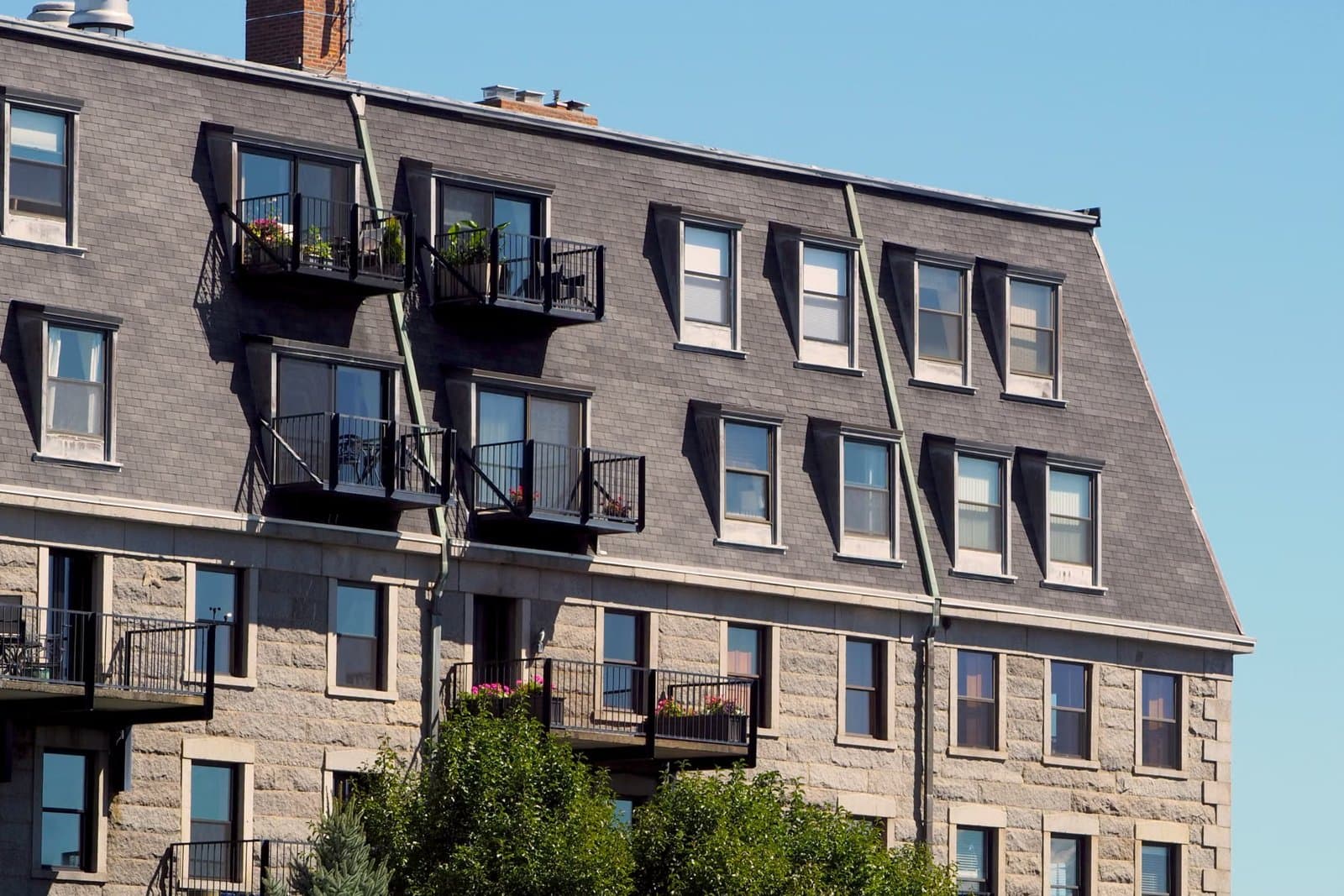
Beacon Hill has something the market cannot easily reproduce: structural scarcity. Its housing stock is finite. The streetscape is iconic. The neighborhood delivers charm, walkability, and a sense of permanence that consistently attracts long-term, cash-capable buyers — regardless of where the broader market stands. You're not buying square footage there. You're buying something genuinely difficult to replace, and that distinction matters when sentiment softens.
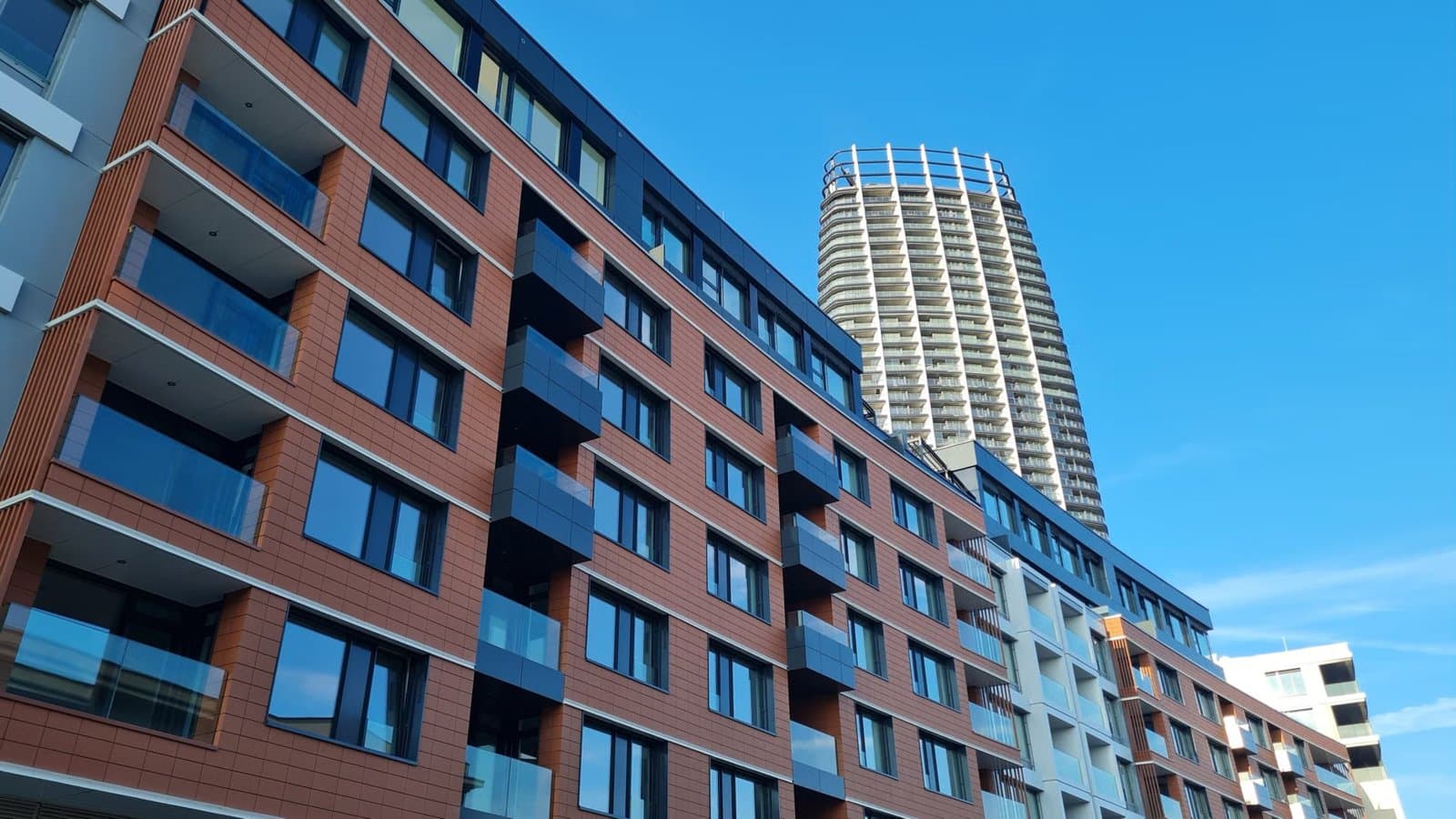
The Seaport is a different calculus. Much of its premium inventory competes directly against other premium inventory that looks, feels, and prices similarly. That's not an indictment of the neighborhood — it's a structural reality. When buyers can compare one glass-box condo against another and the monthly carrying costs are steep, pricing momentum becomes the primary support. Remove that momentum and homogeneous inventory loses leverage fast.
Seaport Luxury Condo Listings — Price vs. Size
Individual Seaport condo listings provide a useful listing-level comparison of asking price versus square footage in Boston's top luxury condo submarket.
General
Individual Seaport condo listings provide a useful listing-level comparison of asking price versus square footage in Boston's top luxury condo submarket.
The price-per-square-foot spread illustrates why the risk profiles diverge so sharply:
Data Table
Neighborhood
Average Price Per Sq Ft
Primary Buyer Profile
Market Risk Level
Seaport District
~$2,200
Financed / Relocating Professionals
High Exposure
Beacon Hill
~$1,500+
All-Cash / Long-Term Residents
Low Exposure
East Boston
~$675
Value-Seekers / Investors
Moderate Exposure
Higher price per square foot does not automatically mean safer value. If that premium is being sustained by abundant comparable inventory, relocation-driven demand, and financing-heavy buyers, it may be the first premium to compress when conditions shift.
"The market is rewarding finished product and discounting future projects."
That line carries real weight in 2026. Buyers are paying up for homes that feel proven, livable, and distinct — not just promising on paper.
How Can Buyers Protect Their Investments in 2026?
Think less about status. Think more about durability.
The safest premium buys in Boston right now share a recognizable profile: scarcity, character, low replacement risk, strong location, and manageable carrying costs. That's why established neighborhoods consistently outperform interchangeable new builds when the market gets selective.
Here's the practical playbook:
•Focus on Intrinsic Value: Prioritize homes with irreplaceable features — historic architecture, a genuine trophy block, proximity tied to top school district tiers. Those qualities create a stronger value floor if the market softens further.
•Prepare for the Appraisal: If you're financing, keep liquidity available for a potential appraisal gap. It protects your negotiating position and keeps you from overextending on a property the bank values differently than you do.
•Scrutinize Carrying Costs: Review at least three years of HOA minutes and budgets before buying into a high-fee building. Special assessments and underfunded reserves are the kinds of surprises that turn a smart purchase into an expensive one.
"Leverage comes from preparation, not bravado."
That principle may be the most useful thing you can take into Boston's current market. Premium homes aren't off the table — paying premium pricing for features the market can easily duplicate is. Target homes with real scarcity, and the long-term footing is far stronger.
What's the Smartest Next Step If You're Comparing Beacon Hill, the Seaport, or Another Boston Neighborhood?
If you're concerned about buying at the top of a slipping premium segment, that instinct is worth trusting.
Boston isn't moving as one market. Some neighborhoods are defending value effectively. Others are meaningfully exposed to price compression. The right answer depends on the specific building, block, fee structure, and buyer profile behind the property you're evaluating — not on neighborhood reputation alone.
If you want to see the specific risk profile for your target neighborhood — or compare one condo building against another — reach out and I'll help you break down the numbers before you make a move.
Common Questions
What makes Seaport condos more vulnerable than Beacon Hill homes when premium pricing slips?
Seaport condos face sharper downside because many units compete with similar layouts, finishes, and amenities at the same time. In Boston luxury real estate, that sameness weakens pricing power, while Beacon Hill homes benefit from true scarcity, lower direct competition, and a stronger base of cash-oriented buyers.
How do HOA fees and special assessments affect resale risk in Boston luxury real estate?
High HOA fees raise monthly carrying costs and shrink the financed buyer pool, especially when rates stay elevated. In Boston luxury real estate, Seaport condos can also face special assessments, which create surprise expenses and make resale harder compared with lower-maintenance or fee-light Beacon Hill homes.
What is an appraisal gap, and why does it matter more for financed luxury buyers?
An appraisal gap happens when a lender values a home below the contract price, forcing the buyer to bring extra cash or renegotiate. In Boston luxury real estate, this matters most for financed buyers chasing premium-priced condos, because inflated pricing can collapse faster when bank valuations fail to support it.
Can new-construction Seaport condos still be a good buy in a softer 2026 market?
New-construction condos can still work if buyers focus on basis, layout quality, and long-term livability instead of just amenities. In Boston luxury real estate, Seaport condos bought at a discount, with manageable fees and superior views or floor plans, are better positioned than interchangeable units purchased at peak pricing.
Does structural scarcity really protect Beacon Hill homes during a market repricing?
Structural scarcity protects Beacon Hill homes because the neighborhood cannot easily add meaningful new inventory. In Boston luxury real estate, that limited supply supports values even during repricing, especially when buyers prioritize historic character, walkability, and trophy addresses over newer product with more replaceable features.